
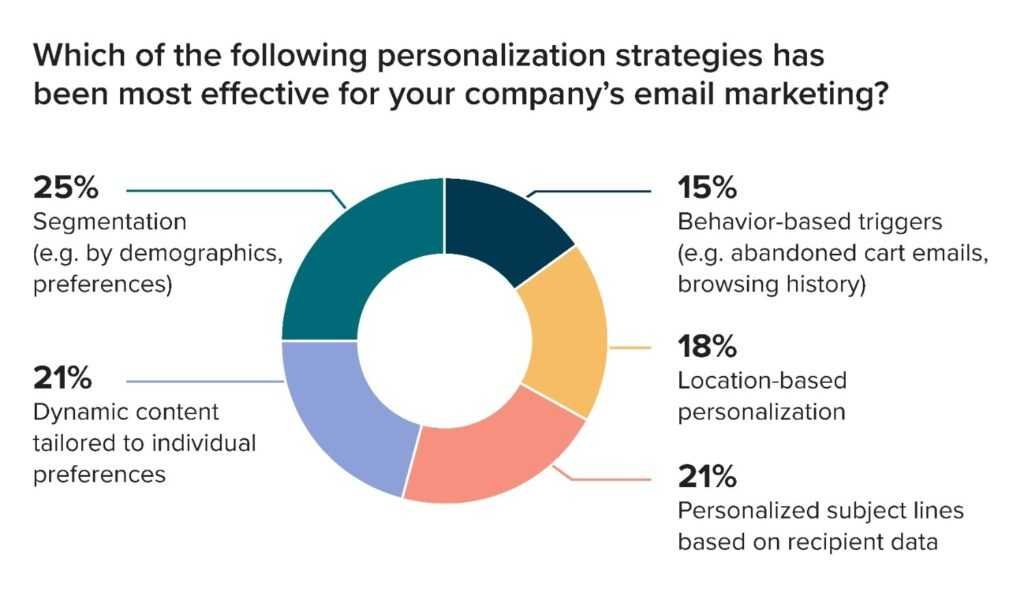
To master the art of personalization in subject lines, start by incorporating your recipient’s name or relevant details to catch their eye instantly, making your email feel more tailored and engaging. Use data insights to craft messages that resonate with individual preferences, boosting open rates and engagement. Remember, simplicity combined with relevance is key—avoid overloading the subject line with too much info or gimmicks.
Personalization in subject lines is a powerful tool to grab attention and increase email open rates. By including personal details such as names or interests and ensuring the message is relevant, marketers can foster a sense of connection that encourages recipients to open and engage. When done correctly, personalized subject lines make your emails feel less like spam and more like a conversation, significantly improving your overall campaign performance.
Jumping straight into effective ways to use personalization in your subject lines can drastically improve your email marketing results. Personalization creates a sense of individual attention, making recipients more likely to open your emails rather than ignore them. Techniques like using recipient names, referencing recent interactions, or tailoring content based on preferences can make your subject lines stand out in crowded inboxes. The key is to keep it genuine and relevant, ensuring your message resonates and builds trust with your audience.

How to use personalization in subject lines effectively
Personalization in email subject lines can make a big difference in how many people open your emails. When your subject line feels tailored to the reader, it grabs their attention immediately. It makes the email stand out among many others cluttering their inbox.
Understanding the importance of personalization
Personalized subject lines increase open rates because they create a sense of direct conversation. People are more likely to open emails that seem relevant to their interests or needs. Using personalization shows that you know and care about the recipient.
How personalized should your subject lines be?
Balance is key in personalization. Overdoing it might feel invasive or spammy. Focus on key details, such as the recipient’s name, location, or recent activity, to craft a compelling subject line. Keep it simple but targeted.
Gathering data for personalization
To personalize effectively, you need the right data. Collect information like previous purchases, browsing behavior, or engagement history. Use sign-up forms, surveys, and analytics tools to gather this data ethically and transparently.
Types of personalization in subject lines
There are various ways to personalize your email subject lines. Here are some effective methods:
- Using the recipient’s name: Adding their first name makes the email feel more personal right away.
- Location-based personalization: Mentioning the recipient’s city or region can increase relevance.
- Interest or behavior-based: Tailoring subject lines to reflect past interactions or preferences.
- Timing personalization: Sending emails at optimal times based on user behavior or time zone.
Best practices for using names in subject lines
Including the recipient’s name can boost open rates by making the message feel directed at them. Place the name early in the subject line to grab attention quickly. Avoid overusing names, which can seem gimmicky or impersonal if done excessively.
Examples of effective name personalization
- Jane, special sale just for you!
- David, your favorite products are back in stock!
Leveraging location data for relevance
Location-based personalization helps localize your message, making it more appealing. Mentioning a city or neighborhood shows you understand the recipient’s environment. It can increase foot traffic, event attendance, or local sales.
Tips for effective location targeting
- Use geo-targeting tools to segment your audience accurately.
- Combine location with personalized offers, like “Free delivery in your city”.
- Be mindful of privacy laws when collecting and using location data.
Using behavioral data to personalize subject lines
Behavioral data includes past interactions, purchase history, and browsing habits. This type of data allows you to craft highly relevant subject lines. For example, referencing a recent website visit or abandoned cart can spark curiosity and encourage opens.
Examples of behavior-based subject lines
- Alex, your cart awaits! Complete your purchase today.
- Jessica, new arrivals tailored for your style.
The role of timing in personalized emails
Timing is crucial to making personalization work. Sending emails at the right moment increases engagement. Use data like past open times or local time zones to optimize delivery schedules.
Best practices for timing
- Analyze historical data to identify when your audience is most active.
- Segment your list by time zones for timely delivery.
- Automate sends based on user behavior, such as follow-ups after website visits.
Creating compelling, personalized subject lines
Your subject line should quickly communicate value and relevance. Use personalization to tease benefits and create curiosity. A personalized subject line that offers a clear advantage prompts more opens.
Key elements of effective personalized subject lines
- Clarity: Clearly state what the recipient gains.
- Relevance: Make it specific to their interests or needs.
- Urgency: Add a sense of limited opportunity when appropriate.
Avoiding common pitfalls in personalization
Overpersonalization can feel invasive or lead to privacy concerns. Avoid using too much data or making assumptions that might offend or alienate recipients. Always respect privacy laws and clearly communicate how data is used.
Tips for respectful personalization
- Use data responsibly and ethically.
- Offer options for recipients to customize their communication preferences.
- Test your subject lines to ensure they don’t come across as spammy or overbearing.
Using A/B testing to optimize personalized subject lines
Test different variations of your personalized subject lines to see what works best. A/B testing helps identify which elements resonate most with your audience. Keep track of open rates, click-throughs, and conversions for each version.
How to conduct effective A/B tests
- Test one variable at a time, such as the inclusion of the recipient’s name or a specific offer.
- Use a statistically significant sample size for reliable results.
- Analyze the results and apply learnings to future campaigns.
Integrating personalization into your overall email marketing strategy
Personalization should be part of a broader, consistent marketing approach. Use data from your email campaigns to inform your content, offers, and timing. Seamless integration enhances customer experience and increases engagement.
Aligning personalization with customer journey stages
- Use simple, welcoming personalization for new subscribers.
- For engaged or loyal customers, offer exclusive content or discounts.
- Re-engage inactive users with personalized reactivation emails.
Tools and software for effective personalization
Leverage marketing automation platforms like Mailchimp, HubSpot, or ActiveCampaign. These tools allow you to segment audiences, automate personalized messages, and analyze campaign performance with ease. They also help manage and protect customer data ethically.
Summary of key takeaways for using personalization effectively
- Gather accurate, relevant data ethically.
- Use personalization elements like names, location, and behavior.
- Balance personalization to avoid feeling invasive.
- Test and optimize your subject lines regularly.
- Integrate personalization into your broader marketing plan.
By applying these approaches thoughtfully, your email subject lines will become a powerful tool for connecting with your audience. Personalized subject lines help boost open rates, foster loyalty, and increase your overall campaign success.
Ways to boost open rates using personalized subject lines"
Frequently Asked Questions
How can personalization improve email open rates?
Personalization makes your email stand out in crowded inboxes by addressing recipients directly and catering to their interests. When you include specific details like the recipient’s name or recent interactions, they feel the message is relevant to them, increasing the likelihood they open the email. Using personalized subject lines shows that you pay attention to their preferences, which boosts open rates significantly.
What are some effective ways to incorporate customer data into subject lines?
You can use data such as purchase history, browsing behavior, or location to craft tailored subject lines. For example, mentioning a recent purchase or highlighting products based on browsing patterns makes the message more relevant. Keep the personalization straightforward and genuine, ensuring it adds value rather than sounding intrusive or overly promotional.
How can I avoid overusing personalization without making my subject lines seem spammy?
Balance personalization with authenticity by focusing on meaningful details rather than overloading the subject line with too many tokens or variables. Use personalization tactfully, ensuring it complements the overall message. Avoid generic placeholders and instead add specific, relevant information that resonates with the recipient, maintaining trust and curiosity.
What are some common mistakes to avoid when personalizing subject lines?
One common mistake is using outdated or incorrect data, which can frustrate recipients. Avoid overly vague personalization that doesn’t add real value, such as inserting just a name without context. Additionally, do not rely solely on personalization to carry your message; ensure your subject line still clearly communicates the offer or purpose of your email.
How can I test the effectiveness of personalized subject lines?
Run A/B tests comparing different levels of personalization to see what resonates best with your audience. Track metrics such as open rates and click-through rates to evaluate performance. Analyzing these results helps refine your approach, allowing you to identify which personalization tactics genuinely influence engagement.
Final Thoughts
How to use personalization in subject lines effectively highlights the importance of tailoring your messages to capture attention. Incorporate the recipient’s name or recent interactions to make your subject stand out. Keep it relevant and specific to their interests or needs. This approach increases open rates and fosters stronger engagement with your audience.