
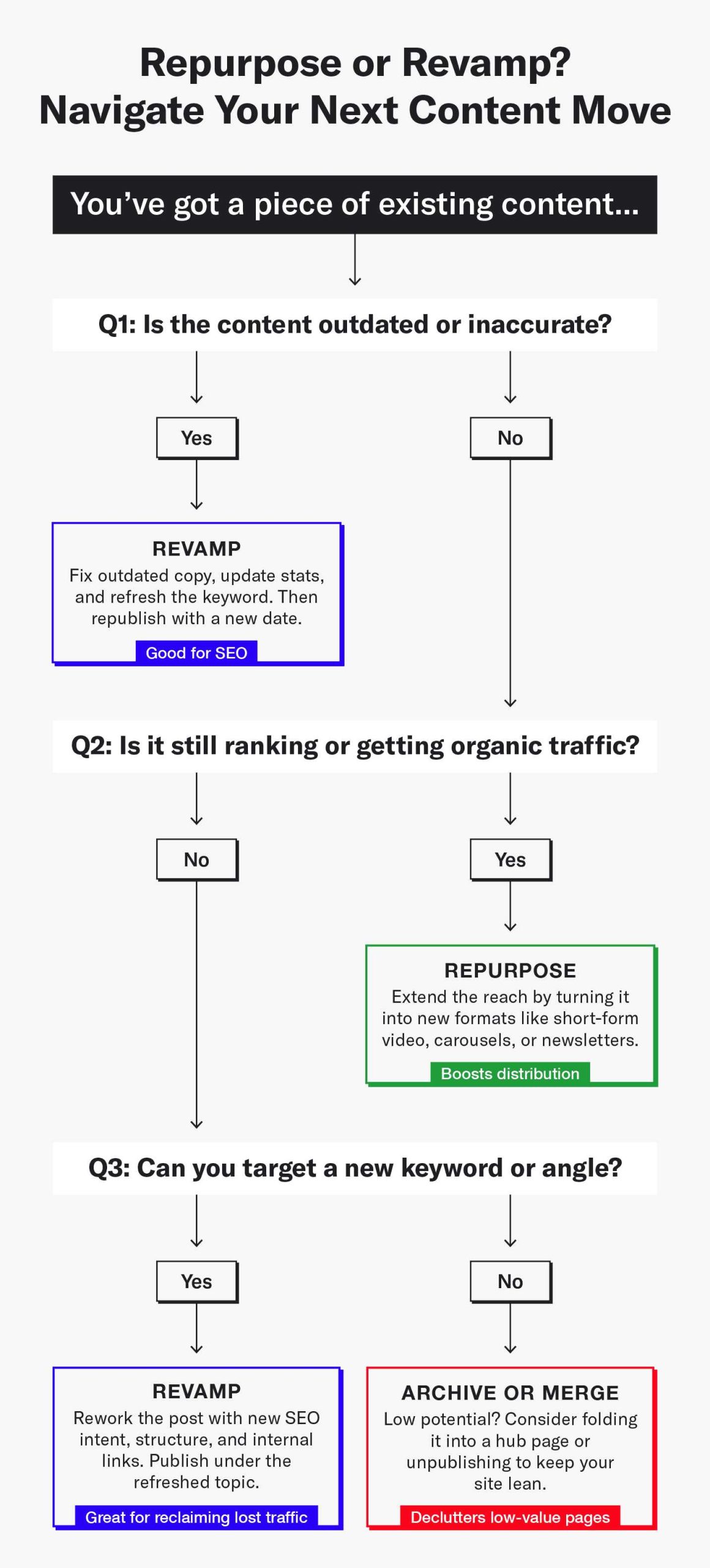
To boost your SEO reach through content repurposing, focus on transforming your existing content into various formats to reach a wider audience and improve search engine rankings. Start by identifying high-performing content and adapting it into blog posts, videos, infographics, or social media snippets. This approach not only maximizes your content investment but also helps target different keywords and audience segments simultaneously.
In essence, repurposing content involves taking your existing material and creatively reusing it in new formats tailored for different platforms. This strategy enhances your visibility, attracts diverse audiences, and strengthens your SEO efforts by targeting multiple keywords and increasing engagement.
If you want to maximize your content’s potential and reach more people effectively, learning how to repurpose content strategically is crucial. It’s a smart way to extend your content lifespan, improve your search rankings, and connect with your audience across various channels without constantly creating new material from scratch.

How to Repurpose Content for Better SEO Reach
Repurposing content means taking your existing material and transforming it into new formats or updating it for different audiences. This strategy helps you get more value from your content and improves your website’s visibility. When done correctly, it increases your chances of ranking higher on search engines and attracts a larger audience.
Understanding the Benefits of Content Repurposing
Repurposing allows you to reach diverse audiences who prefer different content formats. It also helps improve your SEO by creating more opportunities for keywords and backlinks. Additionally, it saves time and resources since you make the most of your existing content.
Identify Content with the Most SEO Potential
Start by analyzing your existing content to find high-performing pages. Look for posts with good traffic, engagement, and keyword rankings. These pages are prime candidates for repurposing because they already resonate with your audience and search engines.
How to Choose Content to Repurpose
- Focus on top-performing blog posts or videos
- Select content with evergreen topics that stay relevant
- Identify content that covers broad topics suitable for different formats
- Look for material with target keywords that can be expanded upon
Repurposing Formats for Different Platforms
Transform blog posts into videos
Convert written content into engaging videos to reach visual learners. Use simple scripts, add visuals, and include captions. This method increases user engagement and can improve time spent on your website.
Extract snippets for social media
Pull key points and create short quotes or tips for platforms like Instagram, Twitter, or LinkedIn. These snippets drive traffic back to the full content and increase brand visibility.
Develop downloadable resources
Create checklists, templates, or eBooks from your existing content. Offering downloadable materials encourages sharing and builds your email list.
Republish or update existing content
If your content is outdated, refresh it with new information and keywords. Updated pages perform better in search rankings and provide more accurate value to your readers.
Strategic Use of Content Repurposing for SEO
Optimize content with keywords
Identify relevant semantic keywords related to your main topic. Incorporate these naturally into your repurposed content to boost visibility for various search queries.
Internal linking across formats
Link your new content back to related articles or original posts to help search engines understand your site structure. This improves crawlability and distributes page authority.
Build backlinks through diversified content
Distribute your repurposed content across multiple platforms and encourage sharing. More backlinks from reputable sites enhance your SEO authority.
Use Data and Tools to Maximize Repurposing Effectiveness
Leverage analytics to track which content performs best in different formats. Use tools like Google Analytics, SEMrush, or Ahrefs to find keyword opportunities and content gaps. These insights guide your repurposing strategy for optimal results.
Repurposing Content for Local and Niche SEO
Customize your content for local keywords or specific niches. Creating tailored content appeals to targeted audiences and improves your chances of ranking in localized searches.
Creating a Content Repurposing Calendar
Plan your repurposing schedule in advance. Maintain a calendar that details when and how you will transform each piece of content. Consistency helps reinforce your SEO efforts over time.
Monitoring and Adjusting Your Repurposing Strategy
Regularly review performance metrics for your repurposed content. If certain formats or topics don’t perform, refine your approach. Continuous improvement ensures your efforts deliver the best SEO results.
Integrating Content Repurposing into Your Overall SEO Plan
Align your repurposing activities with your broader SEO objectives. Use keyword research and competitive analysis to guide what content to refresh or transform. This integration creates a cohesive strategy that maximizes your content’s reach.
Additional Tips for Effective Content Repurposing
- Maintain brand voice and messaging consistency across formats
- Prioritize quality over quantity in all repurposed content
- Focus on creating value for your audience to encourage sharing and engagement
- Incorporate calls-to-action to drive desired user behaviors
Final Thoughts on Repurposing for SEO
Repurposing content is a smart way to enhance your SEO efforts by making your existing content work harder. It broadens your reach, improves your rankings, and helps attract diverse audiences. When you plan carefully and measure results, content repurposing can become a vital part of your digital marketing strategy.
Content Marketing Tutorial: 19 Ways To Repurpose Content For Maximum Visibility & Reach
Frequently Asked Questions
How can repurposing content improve your website’s visibility in search results?
Repurposing content allows you to target different keywords and cater to various search intents. By presenting information in multiple formats, you increase the chances of ranking for a wider range of search queries. Additionally, updating and remixing existing content keeps your website fresh, signaling to search engines that your site remains relevant and authoritative. This approach helps boost your overall visibility and attracts a broader audience.
What strategies can you use to adapt existing content for different platforms?
You can modify your content to suit the unique requirements of each platform. For example, turn a detailed blog post into shorter social media snippets, create infographics from lengthy articles, or develop videos from key blog points. Adjust the tone, length, and format to resonate with each audience. Tailoring content for specific channels ensures better engagement and extends your reach across diverse audiences.
How does repurposing content assist in targeting long-tail keywords?
When you adapt existing content, you can optimize it for long-tail keywords that are specific to niche interests. By including these keywords naturally in various content formats, you attract highly targeted traffic. Repurposing allows you to expand on topics covered earlier, providing detailed information that aligns with specific search queries, thereby increasing your chances of ranking higher for those terms.
Why is updating and republishing old content beneficial for SEO?
Updating old content keeps information accurate, relevant, and comprehensive. Search engines favor fresh content, which can lead to better rankings. When you add new insights, update statistics, or improve readability, your content becomes more valuable to users and search engines alike. Republishing updated content signals that your website actively maintains quality, encouraging higher traffic and sustained SEO performance.
In what ways can repurposing content help you reach new target audiences?
Transforming your content into different formats allows you to appeal to various audience segments. For instance, converting a technical blog into a simplified explainer video can attract beginners, while a comprehensive guide might appeal to industry professionals. By diversifying your content presentation, you increase the likelihood of engaging different groups, broadening your overall reach and influence in your niche.
Final Thoughts
How to repurpose content for better SEO reach enhances your online visibility by maximizing existing material. Repurposing allows you to target different keywords and audiences while maintaining consistency. Focus on transforming blog posts into videos, infographics, or social media snippets to broaden your reach. This strategy ensures your content works harder and achieves greater impact across platforms.
Recommended SEO


