
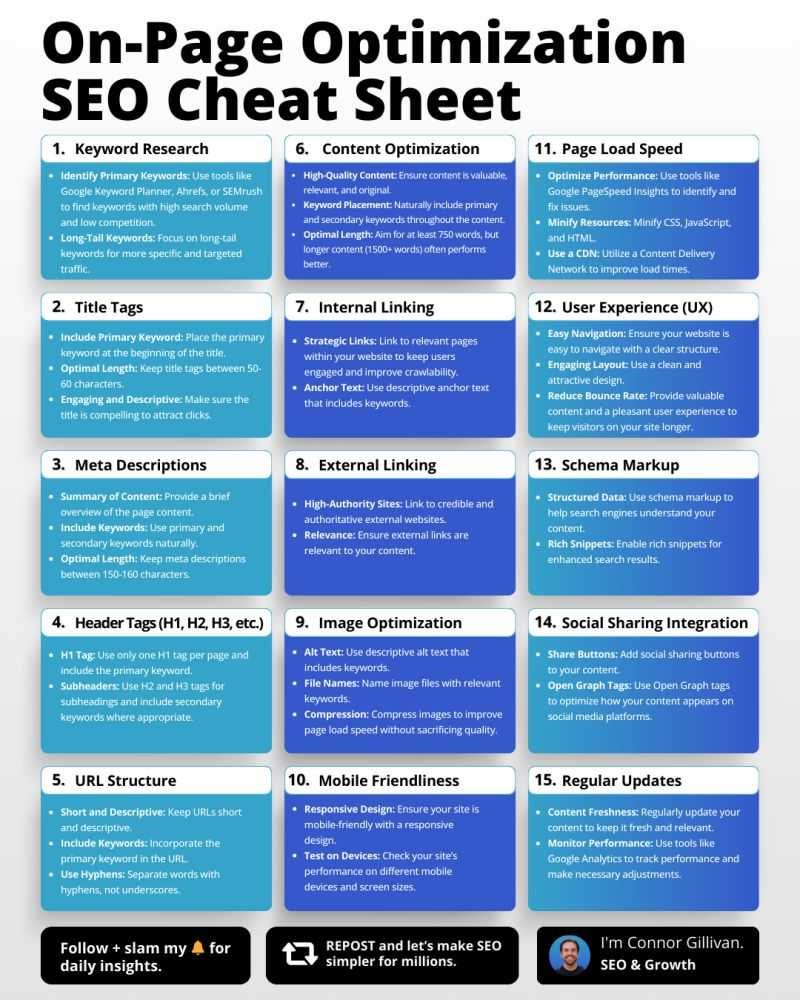
To boost the performance of low-performing pages through better keyword targeting, start by conducting thorough keyword research to identify relevant and high-potential keywords. Optimize your content by naturally incorporating these keywords, focusing on user intent and search relevance. Improving on-page SEO elements like titles, meta descriptions, and headers, along with building quality backlinks, can significantly enhance your page rankings.
If your pages aren’t attracting enough traffic, refining your keyword strategy can make a real difference. This involves identifying the right keywords that match what your target audience is searching for, and adjusting your content and SEO practices accordingly. By aligning your keywords with user intent and optimizing for search engines, you can turn underperforming pages into valuable traffic sources.
When dealing with low-performing pages, the key is to understand why they’re struggling and to adapt your keyword targeting accordingly. Start with comprehensive keyword research to find terms that your potential visitors are actively searching for. Incorporate these keywords thoughtfully into your content, ensuring they fit naturally and match user intent. Enhancing your on-page SEO elements—like titles and meta descriptions—and earning quality backlinks can also improve relevance and authority. Consistently analyzing and adjusting your keywords based on performance data will help your pages rank higher and attract more engaged visitors. Ultimately, a strategic focus on targeted keywords is essential for turning underperforming pages into successful assets.

How to Improve Keyword Targeting on Low Performing Pages
Understand Why Your Pages Are Underperforming
Before making changes, identify the reasons why your pages aren’t ranking well. Poor keyword targeting is often the main culprit, but other issues like low-quality content or weak backlinks can also play a role.
Analyze your current keywords to see if they are relevant and specific enough. Use tools like Google Analytics and Search Console to gather data on traffic, bounce rates, and keyword rankings.
Look for patterns that indicate poor targeting, such as traffic coming from unrelated searches or high bounce rates indicating visitors don’t find what they need.
Conduct Comprehensive Keyword Research
Identify Relevant Keywords
Select keywords closely related to your content and audience needs. Focus on terms your target audience is searching for. Use keyword research tools like Google Keyword Planner, Ahrefs, or SEMrush.
Target a mix of short-tail and long-tail keywords, as long-tail phrases often have less competition and attract more qualified visitors.
Check competitors’ pages to discover keywords they are ranking for that you might not be targeting.
Prioritize Keywords Based on Intent and Volume
Choose keywords with high search volume but also align with your content’s purpose. Focus on intent-driven keywords like informational, navigational, or transactional.
Avoid overly broad keywords that are highly competitive unless you have a strong domain authority. Instead, focus on niche keywords that reflect your unique offerings.
Use tools to assess keyword difficulty and select those easy enough for your page to rank for initially.
Optimize Content with Targeted Keywords
Use Keywords Strategically in Content
Integrate your primary keywords naturally into your page titles, headers, and throughout the content. Avoid keyword stuffing, which can harm readability and ranking.
Place keywords in the beginning of your content when possible. Use variations and synonyms to create a natural flow.
Ensure that keywords are included in meta descriptions, image alt texts, and URLs to improve on-page SEO.
Create High-Quality, Relevant Content
Write content that thoroughly addresses your target keywords and provides value to readers. Use clear, simple language suitable for a 4th or 5th-grade reading level.
Break content into digestible sections with headings and bullet points for better readability. Use visuals and examples to clarify concepts.
Regularly update content to keep information current and relevant to your audience’s needs.
Improve On-Page SEO Elements
Meta Titles and Descriptions
Create compelling meta titles that include your primary keywords. Keep titles concise and engaging, ideally under 60 characters.
Write meta descriptions that accurately summarize the page content and include keywords. Aim for around 150-160 characters.
Header Tags and Content Structure
Use header tags (
to
) to organize your content clearly. Incorporate keywords into headers to emphasize important topics.
This helps search engines understand your content hierarchy and relevance.
URL Optimization
Use short, descriptive URLs that include target keywords. Avoid unnecessary parameters or lengthy strings.
For example, use www.yoursite.com/keyword-targeting-tips instead of www.yoursite.com/page?id=12345.
Enhance User Experience and Engagement
Improve Page Speed
Fast-loading pages rank better and keep visitors engaged. Compress images and leverage browser caching to reduce loading times.
Use tools like Google PageSpeed Insights or GTmetrix to identify and fix speed issues.
Make Content Easy to Read
Use simple language, short sentences, and plenty of white space. Incorporate bullet points, numbered lists, and visuals to enhance readability.
This makes it easier for users to find the information they need quickly.
Include Clear Calls to Action
Encourage visitors to take desired actions with clear and relevant CTAs. Whether it’s reading another article, signing up for a newsletter, or making a purchase, make it obvious.
Leverage Internal Linking and Site Structure
Strategic Internal Links
Link related pages within your website to distribute link equity and improve crawlability. Use anchor text that includes target keywords when appropriate.
This helps search engines understand the relationship between pages and enhances keyword relevance.
Organize Your Site Hierarchy
Create a logical structure with main categories and subcategories. Ensure your low-performing pages are linked from higher authority pages to increase their visibility.
Use breadcrumb navigation to improve user experience and search engine understanding.
Monitor, Test, and Adjust
Track Performance Metrics
Regularly analyze your page performance using analytics tools. Monitor keyword rankings, traffic sources, and engagement metrics.
Identify what changes lead to improvements and where adjustments are needed.
Implement A/B Testing
Test different headlines, content layouts, and keyword placements to see what resonates best with your audience.
Use data from tests to refine your keyword targeting strategies continuously.
Stay Updated with SEO Trends
Search engine algorithms evolve, so stay informed about the latest SEO best practices. Adapt your strategies to maintain and improve rankings.
Follow reputable SEO blogs and participate in industry webinars to keep your skills current.
Incorporate User Feedback and Content Refresh
Ask your visitors for feedback on your content to identify gaps or areas for improvement.
Regularly refresh existing pages by updating outdated information and adding new insights.
This keeps your content relevant, engaging, and aligned with what your audience seeks.
4 Steps to Rank #1 in Google (2025 SEO Plan)
Frequently Asked Questions
What strategies can be employed to identify relevant new keywords for underperforming pages?
Focus on analyzing search term reports and competitor content to find keywords that users are already using to find similar pages. Use tools like Google Keyword Planner or SEMrush to uncover related terms with higher search volume and lower competition. Incorporate long-tail keywords that match user intent more precisely, which can help increase traffic and improve page relevance. Regularly review performance data to refine your keyword list and ensure it aligns with evolving user behavior.
How can updating existing content enhance keyword targeting on low-performing pages?
Revise your content to include targeted keywords naturally within headings, subheadings, and throughout the body. Ensure the content answers common user questions and addresses their needs comprehensively. Incorporate synonyms and related terms to cover a broader range of search queries. Adding new sections or updating outdated information reinforces relevance and encourages users to spend more time on the page, which can positively influence search rankings.
What on-page elements can be optimized to improve keyword targeting effectiveness?
Optimize meta titles and descriptions to include primary keywords clearly and compellingly. Use descriptive and keyword-rich headings to structure the content logically. Incorporate keywords into image alt tags and URL structures to enhance visibility in search results. Also, ensure that internal linking points to the page with relevant anchor texts, helping search engines understand the page’s relevance to specific keywords and improving overall site navigation.
How does improving user engagement contribute to better keyword targeting?
Enhancing user experience encourages visitors to stay longer and interact more with your content. Use clear calls-to-action, improve page load times, and make navigation intuitive. Engaged users signal to search engines that your page provides valuable content, which can boost rankings for targeted keywords. Additionally, gather user feedback to identify areas for content improvement and ensure your pages meet visitor expectations effectively.
What role does backlink profile play in supporting keyword performance on underperforming pages?
Building high-quality backlinks from relevant sites increases your page authority and can help improve rankings for targeted keywords. Focus on acquiring links through guest posting, partnerships, or creating shareable content that naturally attracts backlinks. Ensure that anchor texts used in backlinks include relevant keywords, reinforcing the page’s relevance. A strong backlink profile signals to search engines that your content holds authority, positively impacting keyword visibility.
Final Thoughts
Improving keyword targeting on low performing pages requires reviewing search intent and refining keywords accordingly. Focus on long-tail keywords that better match user queries and provide clearer relevance. Incorporate these keywords naturally into your content, headings, and meta descriptions. Regularly analyze performance data to identify gaps and adjust your strategy promptly. Implementing these steps helps boost visibility and engagement, leading to better page performance.