
To craft an effective social media strategy, you need a clear game plan that aligns with your brand’s goals and connects authentically with your audience. Start by defining your objectives, understanding your target followers, and choosing the right platforms. Then, create engaging content tailored to each channel and establish a consistent posting schedule. Monitoring results and adjusting your tactics will keep your strategy on track and ensure your brand stands out in the crowded digital space.
A successful social media strategy begins with understanding what you want to achieve and who your audience is. It involves selecting suitable platforms, creating compelling content, and analyzing performance regularly. These steps help build a strong online presence that resonates with your customers and drives growth.
Crafting a social media strategy for your brand might seem daunting at first, but breaking it down into manageable steps makes it achievable. It’s about understanding your audience, setting clear goals, and creating content that resonates with them. With the right plan in place, you’ll be able to boost brand awareness, foster community engagement, and ultimately achieve your business objectives more effectively.

Understand Your Brand and Goals
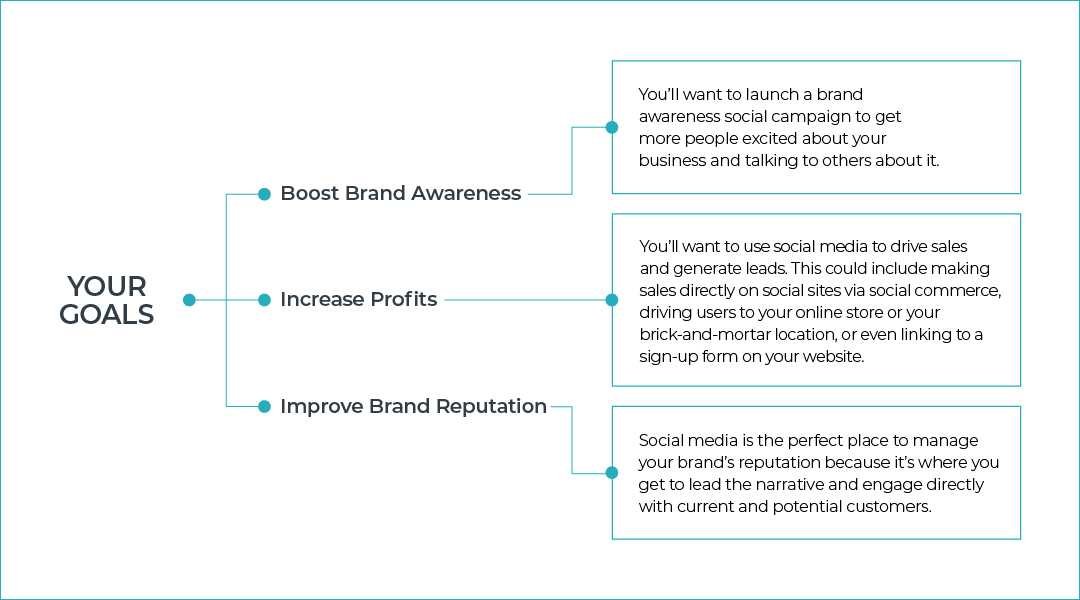
Before jumping into social media platforms, it’s essential to know what your brand stands for. Clarify your brand’s mission, core values, and unique selling points. Setting clear goals helps you determine what you want to achieve through social media, such as increasing brand awareness, boosting sales, or engaging with your community.
Identify Your Target Audience
Knowing who your audience is shapes your entire strategy. Define demographics like age, location, interests, and online behavior. Use tools like social media analytics and customer surveys to gather this data. Tailoring content for your specific audience makes your efforts more effective.
Choose the Right Platforms
Not all social media channels fit every brand. Focus on platforms where your target audience is most active. For example, if you target young teens, TikTok or Instagram might be best. For professional audiences, LinkedIn could be more suitable. Select 2 to 3 platforms initially to avoid spreading yourself too thin.
Develop Your Content Strategy
Content is at the heart of social media marketing. Decide on the types of content you will create such as images, videos, blogs, or live streams. Your content should align with your brand voice and meet your audience’s needs and preferences. Mix promotional content with engaging, informative, or entertaining posts.
Content Calendar and Frequency
Plan your posting schedule using a content calendar. This helps maintain consistency and relevance. Decide how often you will post on each platform, considering best practices like posting once daily on Instagram or several times a week on Facebook. Regular posting keeps your audience engaged and boosts visibility.
Visual Branding and Style
Create a consistent visual style for your content. Use brand colors, logos, and fonts that reflect your identity. High-quality images and videos grab attention and reinforce your brand identity across all platforms.
Engagement Strategies
Social media is about two-way communication. Engage actively with your followers by responding to comments, messages, and reviews. Encourage user interaction through polls, quizzes, or contests. Building relationships helps foster loyalty and increases your reach organically.
Set Key Performance Indicators (KPIs)
Track your progress with measurable KPIs. These may include engagement rate, follower growth, website traffic from social media, or conversions. Regularly reviewing these metrics tells you what’s working and what needs adjustment.
Create a Budget and Allocate Resources
Determine how much budget you will dedicate to social media marketing. Allocate funds for content creation, advertising, tools, and staff. Investing wisely in tools like scheduling apps and analytics platforms streamlines your efforts.
Leverage Paid Advertising
Organic reach is valuable, but paid social media ads can significantly boost visibility. Use targeted campaigns to reach specific audiences based on demographics, interests, or behaviors. Experiment with different ad formats such as sponsored posts, stories, or carousel ads.
Retargeting and Lookalike Audiences
Retargeting allows you to reconnect with users who interacted with your content. Lookalike audiences help you find new followers who resemble your existing customers. These strategies maximize your ad spend and improve ROI.
Monitor, Analyze, and Adjust
Use analytics tools provided by each platform or third-party software to monitor your KPIs. Analyze which posts perform best and identify trends. Adjust your content, posting times, or advertising strategies based on these insights to improve results.
Stay Updated with Trends and Platform Changes
Social media evolves quickly. Keep an eye on new features, trending topics, and algorithm updates. Adapting your strategy ensures you stay relevant and competitive. Follow industry blogs and platforms’ official updates regularly.
Your social media efforts should complement your broader marketing plan. Coordinate campaigns across channels, align messaging, and cross-promote content. This consistency strengthens your brand message and maximizes impact.
Build Community and Foster Loyalty
Beyond just posting content, focus on creating a community. Share user-generated content, thank your followers, and showcase customer stories. Building a loyal community leads to organic growth and advocacy.
Utilize Tools and Automation
Streamline your social media management with tools like scheduling platforms and analytics dashboards. Automation helps maintain consistency and frees up time for engagement and strategy refinement.
Plan for Crisis Management
Prepare for handling potential social media crises by establishing clear guidelines. Respond promptly and professionally to negative comments or reviews. Transparency and empathy preserve your brand’s reputation.
Keep Learning and Improving
Stay curious about new strategies, tools, and industry best practices. Invest in training or workshops for your team. Continual learning improves your social media skills and keeps your strategy sharp.
In summary, creating a social media strategy involves understanding your brand, knowing your audience, choosing the right platforms, crafting compelling content, engaging actively, analyzing results, and continually optimizing your approach. By following these steps, you set a strong foundation for your brand’s social media success.
Frequently Asked Questions
Begin by clearly defining your brand’s goals and identifying your target audience. Conduct thorough research on which platforms your audience uses most and analyze competitors’ strategies. Establish measurable objectives to track your progress and allocate resources effectively. Finally, create a content calendar to organize posting schedules and ensure consistent messaging across channels.
Evaluate your target audience’s preferences and online behavior to determine the most suitable platforms. Consider the type of content you plan to share; visual content performs well on Instagram and Pinterest, while professional content suits LinkedIn. Focus on channels where your potential followers are most active and receptive to your messaging, then tailor your content to fit each platform’s unique style and features.
What strategies should I implement to engage my audience effectively?
Encourage interaction by asking questions, hosting live sessions, and creating shareable content. Respond promptly to comments and messages to foster a sense of community. Use interactive features like polls, quizzes, and contests to boost engagement. Consistently provide valuable and relevant content that resonates with your audience’s interests and needs.
Track key performance indicators such as engagement rates, follower growth, website traffic from social media, and conversion rates. Use analytics tools provided by each platform to monitor these metrics regularly. Analyze the data to understand what content performs best and adjust your strategy accordingly to improve results over time.
Plan your content around important dates, product launches, and industry events to stay relevant. Balance different content types, including promotional, educational, and entertaining posts. Ensure your posting frequency aligns with platform best practices to maintain visibility without overwhelming your audience. Regularly review and update your calendar based on performance insights and emerging trends.
Final Thoughts
Creating a social media strategy for your brand starts with clearly defining your goals. Identify your target audience and choose platforms that best reach them. Develop engaging content tailored to your brand voice and monitor performance regularly.
Track analytics to refine your approach and stay consistent with your messaging. By following these steps, you ensure your brand’s presence remains impactful. How to create a social media strategy for your brand involves strategic planning, focused execution, and ongoing adjustments to succeed in a competitive landscape.