To gauge your social media success, focus on key metrics like engagement rates, reach, and conversions, using analytics tools to track performance over time. Setting clear objectives and regularly reviewing data will help you understand what’s working and what needs adjustment. Use insights from analytics to refine your strategy, boost your ROI, and grow your audience effectively.
Measuring social media performance with analytics involves tracking specific metrics that reflect your goals, analyzing these insights to understand audience behavior, and adjusting your tactics accordingly. This process helps you make data-driven decisions, ensuring your social media efforts translate into real results for your brand.
Understanding how to accurately measure your social media performance with analytics is essential for any digital marketing strategy. It allows you to see the true impact of your content, identify growth opportunities, and optimize your campaigns for better engagement and conversion rates. Dive into the world of social media analytics to unlock valuable insights that will propel your online presence forward.

Social media analytics help you see how well your posts and campaigns perform. They show what your audience likes and what doesn’t work. This way, you can make smarter decisions to grow your online presence.
Knowing your social media performance lets you see if you are reaching your goals. Whether it’s increasing followers, boosting engagement, or driving sales, analytics provide the data needed. They take the guesswork out of marketing and show real results.
Different metrics reveal different insights about your social media success. Here are some of the most important ones:
- Engagement Rate: Measures how much your audience interacts with your posts.
- Reach: Shows how many unique users see your content.
- Impressions: Total times your post is displayed, including repeats to the same user.
- Click-Through Rate (CTR): Percentage of users who click on links in your posts.
- Follower Growth: Tracks how your follower count changes over time.
These metrics help you understand which content works best and guides future strategies.
Most social media sites offer built-in analytics tools. For example:
Facebook Insights
This tool shows data on page likes, post reach, engagement, and demographics of your followers. Use this data to tailor your content to your audience.
Instagram Insights
Available for business accounts, it provides information on impressions, reach, website clicks, and follower activity. Analyze which posts get the most engagement.
Twitter Analytics
Offers data about tweet impressions, profile visits, mentions, and followers. It helps you identify your most engaging tweets and optimal posting times.
LinkedIn Analytics
Provides insights into page views, engagement, and follower demographics. Use this to target your B2B marketing efforts better.
A dashboard consolidates data from multiple platforms into one view. It simplifies tracking your progress over time. You can create dashboards using tools like Google Data Studio or Excel.
Steps to build a dashboard:
- Identify key metrics to monitor based on your goals.
- Connect your social media accounts or export data manually.
- Use charts and tables to visualize data clearly.
- Review regularly to spot trends and adjust your strategies.
A well-designed dashboard helps you quickly assess performance and make informed decisions.
Data alone isn’t enough. You need to analyze what it means for your campaign. Look for patterns, such as spikes in engagement after certain posts or times.
Ask questions like:
- Which posts received the most interaction?
- Are there specific times when my audience is most active?
- Which topics generate the most interest?
Understanding these insights helps you refine your content plan to deliver more of what your audience prefers.
Setting goals and measuring ROI
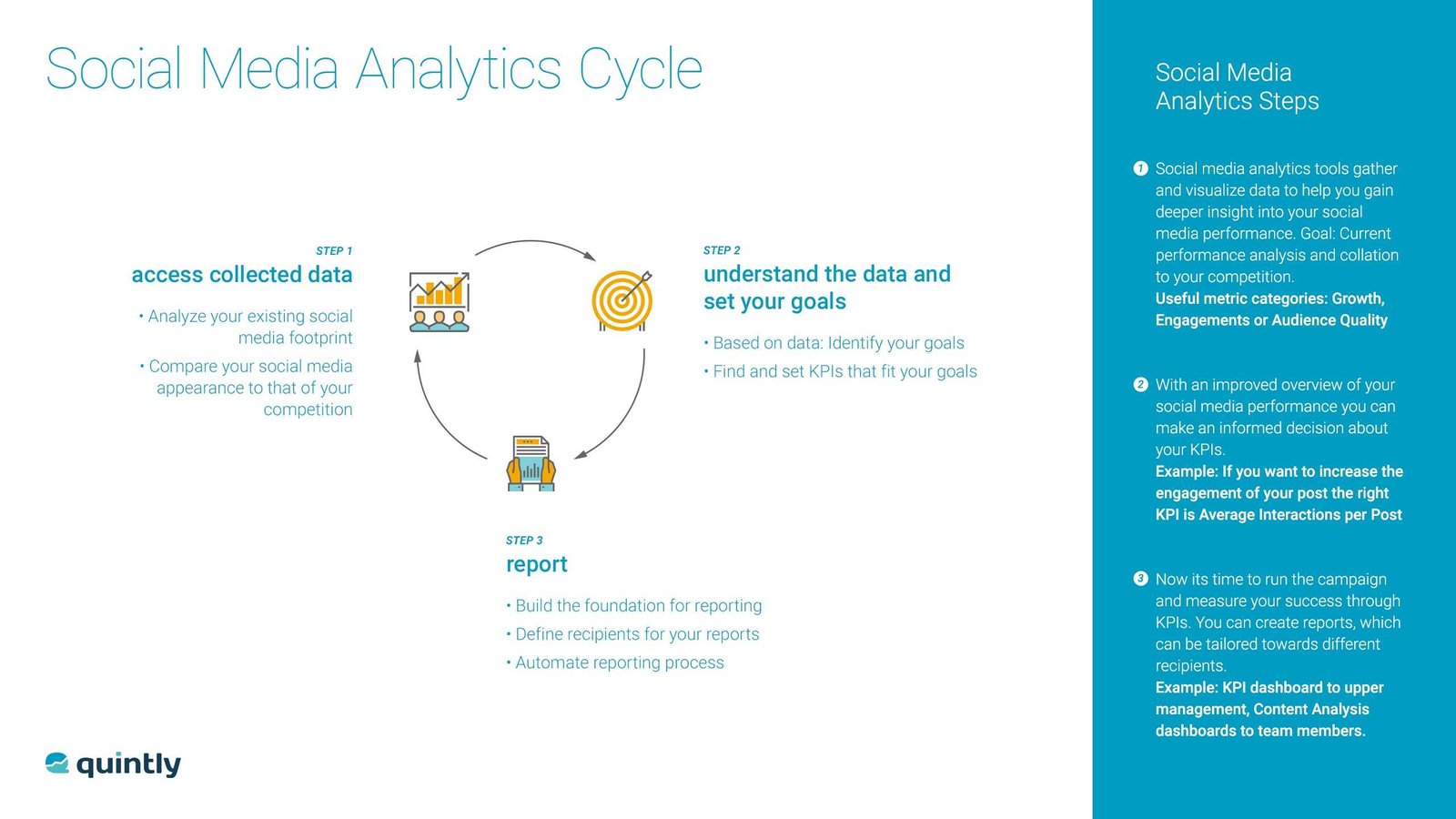
Before diving into data, define clear goals. Do you want to increase brand awareness, generate leads, or boost sales? Your goals determine which metrics to focus on.
Measuring return on investment (ROI) involves tracking conversions linked to social media efforts. Use tracking URLs, conversion pixels, or UTM parameters to see how social media traffic converts into sales or sign-ups.
Analyzing competitor performance for benchmarking
Compare your social media metrics with competitors to see where you stand. Use tools like SEMrush or Sprout Social to analyze their engagement, follower growth, and content types.
Benchmarking helps identify industry standards and find areas for improvement. It also inspires new ideas to stay competitive in your niche.
Tracking content performance across different formats
Different formats like videos, images, or stories perform differently across platforms. Track metrics like views, shares, and comments for each type.
This data reveals which formats resonate most with your audience. Use this to diversify your content strategy and maximize engagement.
Be cautious not to focus solely on vanity metrics like follower count. These don’t always translate into meaningful engagement or sales.
Ensure your data collection is consistent and avoid cherry-picking data that only supports your goals. Regularly review your analytics process to keep it accurate and relevant.
Leveraging advanced analytics and AI tools
Advanced tools use artificial intelligence to provide deeper insights. They analyze sentiment, predict trends, and identify influencers.
Examples include Brandwatch, Talkwalker, and Hootsuite Insights. These tools help you understand consumer sentiment and tailor your messaging accordingly.
Measuring social media performance with analytics is essential for ongoing success. By tracking key metrics, using the right tools, and interpreting data effectively, you can improve your content and meet your goals. Always stick to a consistent review process and stay adaptable as your audience evolves. This approach ensures your social media efforts remain impactful, relevant, and aligned with your business objectives.
Frequently Asked Questions
To gauge social media success, track engagement metrics such as likes, comments, shares, and click-through rates. Additionally, monitor follower growth, reach, impressions, and conversion rates to understand how your content influences your audience and supports your business goals.
How can I use analytics to compare performance across different platforms?
Use platform-specific analytics tools or a unified dashboard to analyze performance metrics side by side. Focus on metrics like engagement rate, audience demographics, and content reach to identify which platforms resonate most with your audience. Comparing these insights helps allocate resources effectively and tailor your content strategy for each platform.
Understanding audience behavior, such as peak activity times, content preferences, and interaction patterns, allows you to optimize posting schedules and content types. Analyzing these behaviors through analytics helps you create more engaging content and improve overall campaign performance.
Calculate ROI by linking social media activities to specific business outcomes like sales, leads, or website traffic. Use tracking tools and conversion pixels to attribute conversions to campaigns. Comparing these results against your investment helps determine the effectiveness and guide future budget allocations.
Leverage analytics platforms like Google Analytics, native social media insights, and third-party tools such as Hootsuite or Sprout Social. These tools provide comprehensive data, automate reporting, and help you identify trends and opportunities to improve your social media strategy.
Final Thoughts
Measuring social media performance with analytics provides valuable insights into your audience and content effectiveness. Focus on key metrics such as engagement, reach, and conversions to evaluate success. Regularly analyze these data points to adjust your strategies accordingly.
By tracking your progress, you ensure your social media efforts align with your goals. In conclusion, understanding how to measure social media performance with analytics helps optimize your campaigns for better results.