Quick answer: To set SMART goals for social media marketing, define specific, measurable, achievable, relevant, and time-bound objectives that align with your overall business aims. Track progress regularly and adjust your strategies as needed. These steps ensure your social media efforts are focused, efficient, and yield real results.
Achieving success in social media marketing isn’t just about posting content and hoping for the best; it’s about setting clear, strategic goals that guide your efforts and measure your progress. SMART goals provide a structured framework that helps you pinpoint exactly what you want to accomplish and how to get there. Whether you’re aiming to increase brand awareness, boost engagement, or generate leads, crafting goals that are Specific, Measurable, Achievable, Relevant, and Time-bound ensures your campaigns stay on track and deliver tangible results. In this article, we’ll explore how to effectively create SMART goals for your social media marketing plan—a crucial step toward turning your online presence into a powerful business tool.

Understanding the Importance of SMART Goals
Setting goals is essential for any social media marketing strategy. Without clear targets, it’s difficult to measure progress or determine success. SMART goals provide a structured approach to create actionable and achievable objectives.
What Are SMART Goals?
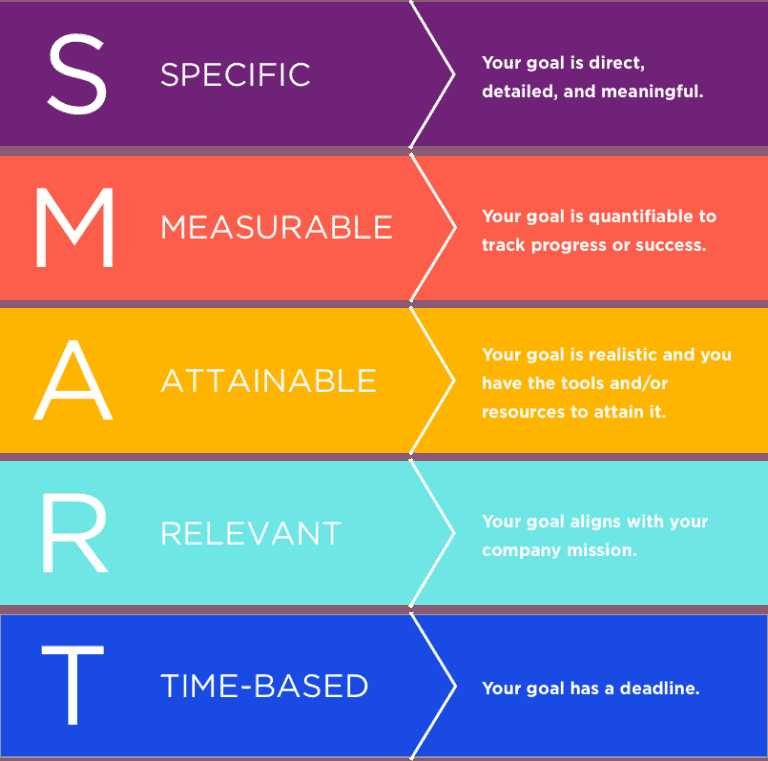
SMART is an acronym that stands for Specific, Measurable, Achievable, Relevant, and Time-bound. Each component helps define goals clearly and ensures they are practical to reach. Using SMART goals keeps your social media efforts focused and effective.
Social media marketing involves many moving parts, from content creation to audience engagement. Applying the SMART framework helps you prioritize tasks and allocate resources wisely. It also enables you to evaluate your campaigns more objectively.
Step-by-Step Guide to Setting SMART Goals
Creating SMART goals requires careful planning and reflection. Follow these steps to craft effective objectives for your social media marketing efforts:
- Define Your Purpose: Determine what you want to achieve. Are you aiming to increase brand awareness, boost sales, or grow your followers?
- Make Goals Specific: Be precise about what you want to accomplish. Instead of saying “increase engagement,” specify “increase likes and comments on posts.”
- Set Measurable Targets: Decide how you will track progress. Use metrics such as follower count, engagement rate, website traffic, or conversion rate.
- Ensure Goals Are Achievable: Choose objectives within your reach based on current resources and capabilities. Set goals that challenge you but remain realistic.
- Align Goals with Relevance: Make sure your objectives support your overall business strategy. Avoid goals that are not directly linked to your brand’s purpose.
- Time Your Goals: Attach deadlines to each goal. Establish clear timeframes to maintain momentum and evaluate success.
Let’s look at some examples to illustrate how SMART goals work in practice:
| Goal Type | SMART Goal Example |
|---|---|
| Increase followers | Gain 1,000 new Instagram followers within three months by posting engaging content three times a week and running targeted ads. |
| Boost engagement | Improve Facebook post engagement rate by 15% over the next two months by creating interactive posts and responding promptly to comments. |
| Drive website traffic | Increase referral visits from Twitter by 20% in four weeks by sharing shareable content and including clear call-to-actions with links. |
Strategies to Make Goals Achievable and Relevant
Focus on setting goals that align with your business size and industry. For smaller brands, aiming for rapid follower growth might be less realistic than improving engagement. Make sure your goals match your current marketing capacity and audience needs.
Assess Your Resources
Review your team, budget, and tools. Set goals that your team can realistically accomplish with your existing resources. For example, if you have limited staff, focus on achievable content schedules.
Connect Goals to Business Objectives
Ensure that your social media goals support broader company targets. For instance, if the main business aim is lead generation, your social media goal might be to capture a certain number of leads through campaigns.
Monitoring and Adjusting Your SMART Goals
Regularly review progress toward your goals. Use analytics tools provided by social media platforms or third-party reporting software. If you notice you’re not reaching your targets, adjust your strategies or redefine your goals accordingly.
Use KPIs to Track Performance
Identify key performance indicators relevant to your objectives, such as click-through rates, conversions, or follower growth. Monitoring these allows you to evaluate success accurately.
Schedule Periodic Reviews
Set specific dates to assess your progress, like monthly or quarterly. Use these reviews to celebrate wins or identify areas that need improvement.
Common Mistakes to Avoid When Setting SMART Goals
Beware of pitfalls that can derail your efforts. Here are some typical mistakes:
- Vague Goals: Avoid broad statements like “become popular.” Make goals precise and clear.
- Unrealistic Targets: Setting unattainable goals can discourage your team. Be ambitious but practical.
- Lack of Metrics: Without measurement, you can’t track progress. Always define how success will be quantified.
- Ignoring Deadlines: Without timeframes, goals may lose urgency. Set clear deadlines for accountability.
Enhancing Your SMART Goals with Additional Tactics
While SMART goals form a solid foundation, combining them with other strategies can boost results:
Set Milestones
Break larger goals into smaller, manageable tasks to monitor progress more easily.
Incorporate Flexibility
Be open to adjusting your goals based on analytics and changing market conditions.
Leverage Audience Insights
Use data about your audience’s preferences to refine your goals and strategies continuously.
Tools and Resources to Help You Set and Track SMART Goals
Several tools can assist in creating, managing, and measuring your social media goals:
- Google Analytics: Track website traffic and conversions from social media campaigns.
- Hootsuite or Buffer: Schedule posts and analyze engagement metrics.
- Sprout Social or AgoraPulse: Provide detailed social media analytics and reporting.
- Excel or Google Sheets: Use spreadsheets to set targets, monitor progress, and visualize data.
Crafting SMART goals for social media marketing enables you to create clear, actionable objectives that drive your brand forward. By focusing on specific targets, measurable outcomes, realistic targets, relevance to your business, and deadlines, you maximize your chances of success. Regular reviewing and adjusting your goals ensure continuous improvement and better results over time. Remember, well-defined goals are the foundation of effective social media marketing—so take the time to set them thoughtfully.
Frequently Asked Questions
To define specific and measurable objectives, start by identifying clear outcomes you want to achieve, such as increasing followers by a certain percentage or boosting engagement rates. Use quantifiable indicators to track progress, ensuring each goal is precise and achievable within a set timeframe. This clarity helps you focus your strategies and evaluate success effectively.
Assess your current resources, including team capacity, budget, and content availability, to set achievable goals. Consider past performance and industry benchmarks to gauge what is feasible. Breaking down larger objectives into smaller milestones also makes them more manageable, helping you stay motivated and on track.
How do I set relevant goals that align with my overall marketing strategy?
Align your social media goals with your broader marketing objectives by focusing on outcomes that support your brand positioning and business growth. Identify target audiences and ensure your goals address their needs or behaviors. Regularly review your strategic priorities to keep your social media efforts aligned and relevant.
Choose deadlines based on the complexity of each goal and your overall marketing calendar. Short-term goals might have weekly or monthly deadlines, while more extensive objectives could span several months. Setting clear, realistic timeframes ensures you maintain momentum and can evaluate progress periodically.
Regularly monitor key performance indicators using analytics tools relevant to your objectives. Schedule consistent reviews to compare actual results against your targets, and adjust strategies as needed. Clear benchmarks and ongoing analysis help you stay focused and ensure your efforts lead to meaningful outcomes.
Final Thoughts
How to set SMART goals for social media marketing guides you to achieve clear, actionable objectives. Focus on making goals Specific, Measurable, Achievable, Relevant, and Time-bound to stay focused. Break down larger aims into smaller tasks, track progress regularly, and adjust strategies as needed. By adhering to these principles, you create a strong foundation for successful social media campaigns. In conclusion, setting SMART goals for social media marketing helps you stay on track and reach your desired outcomes efficiently.