
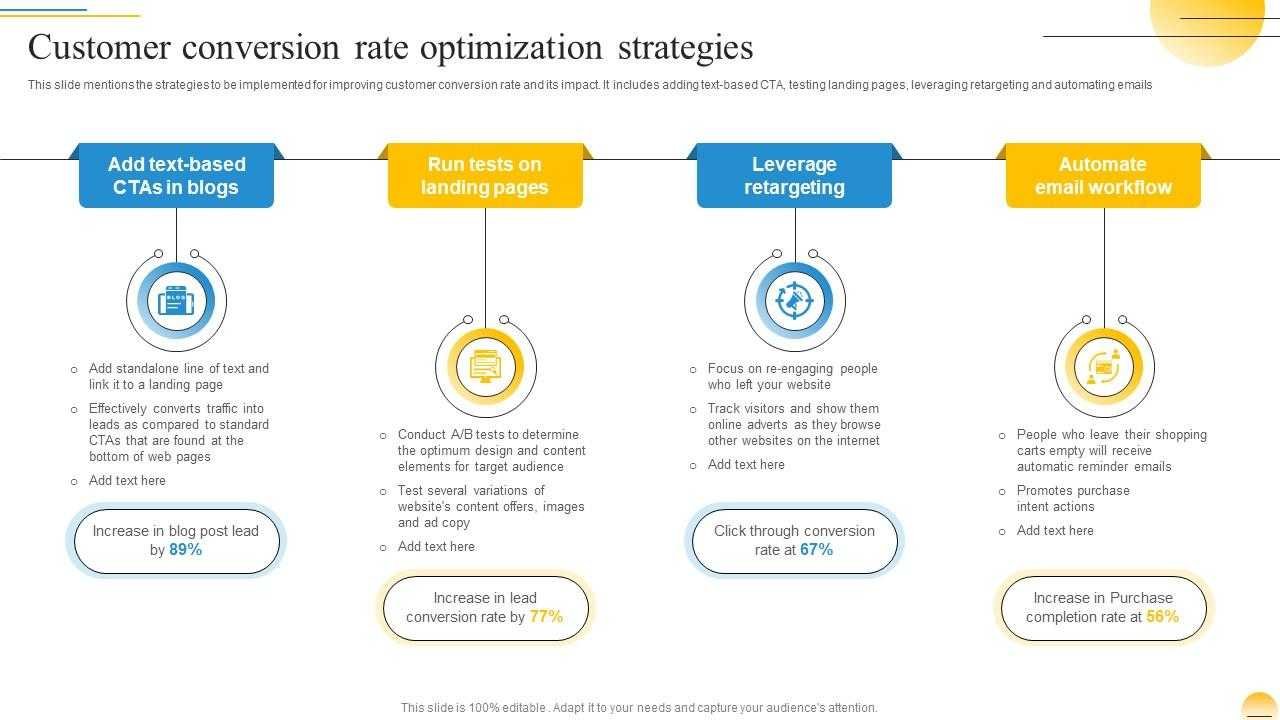
Quick answer: To effectively test multiple CTAs and boost traffic, set up A/B testing for different button texts, placements, and designs; analyze which versions perform best; and iterate based on real user data. Continuously optimize your CTAs to better resonate with your audience and drive more clicks.
Testing multiple call-to-actions (CTAs) is a powerful way to discover what truly motivates visitors to engage and convert. Instead of sticking to one standard CTA, experimenting with various options allows you to find the most compelling message and placement that resonates with your audience. The process involves creating different versions, measuring their performance, and refining your approach based on insights. By doing so, you’ll increase click-through rates and ultimately drive more traffic to your site. This method is not just about random changes but a strategic, data-driven approach to understanding user preferences and behaviors to maximize your website’s potential.

How to test multiple CTAs to increase traffic rates
Understanding the importance of effective CTAs
Call-to-action buttons (CTAs) are like signposts guiding visitors toward desired actions. They can be signing up for a newsletter, downloading an ebook, or making a purchase. Testing multiple CTAs helps determine which ones resonate best with your audience.
Having clear, compelling CTAs increases visitor engagement and boosts your traffic conversions. It’s essential to identify which phrasing, design, and placement generate the most clicks. This process requires strategic planning and ongoing experimentation to refine your approach.
Planning your CTA testing strategy
Before testing, define your goals. Do you want more visitors to subscribe or make a purchase? Clear goals help you gauge success accurately.
Next, identify the different CTA variations you want to test. Consider factors like text, color, size, and location on the page. Creating a testing plan with specific hypotheses ensures you stay focused and collect meaningful data.
Set clear objectives and success metrics
Decide on measurable outcomes such as click-through rates, conversion rates, or bounce rates. These metrics will tell you which CTA performs better.
For example, if your goal is to increase newsletter signups, track how many visitors click on each CTA variant and complete the signup process.
Create hypotheses for your tests
Formulate ideas like “A brighter button will attract more clicks” or “Positioning the CTA at the top of the page will increase engagement.”
Testing these hypotheses enables you to identify the most effective design elements.
Designing effective CTA variations
Your CTA design should stand out without being overwhelming. Use contrasting colors to make buttons visible and draw attention.
Ensure the CTA text is concise, action-oriented, and specific. Instead of vague phrases like “Click here,” use targeted messages such as “Get Your Free Trial” or “Download the Guide Now.”
Tailor your CTA size to be easily clickable on both desktops and mobiles. Larger buttons typically perform better, but they should still fit naturally within your page layout.
Choosing the right copy for your CTAs
Your CTA text should create a sense of urgency or provide a clear benefit. Words like “Now,” “Today,” or “Limited Offer” encourage immediate action.
Highlight the value visitors will receive, such as “Save 20% Today” or “Join Thousands of Happy Customers.”
Avoid confusing or ambiguous language that might discourage clicks or cause hesitation.
Testing placement and visibility
The position of your CTA plays a crucial role in its success. Place CTAs where users naturally focus their attention.
Test placements like the top of the page, middle sections, or at the end of articles.
Use heatmaps and scroll maps to understand where visitors look most. These tools show which parts of your page attract the most attention and help optimize CTA placement.
Utilizing A/B testing effectively
A/B testing allows you to compare two different CTA versions simultaneously.
Create variations by changing one element at a time, such as text, color, or placement.
Run tests for a sufficient period to gather statistically significant data, ensuring reliable results.
Leveraging tools for CTA testing
Several tools help you automate and analyze CTA tests efficiently. Google Optimize and Optimizely are popular options that integrate well with your website.
They allow you to set up variations and monitor performance seamlessly.
Use tracking pixels and event tracking to capture detailed user interactions with your CTAs.
Analyzing testing results
Once your tests have run long enough, analyze the data carefully. Look at metrics like click-through rate, conversion rate, and bounce rate for each variation.
Identify the winning CTA based on the highest engagement and conversion levels.
Consider user feedback or qualitative data to understand why certain CTAs perform better.
Implementing winning CTA strategies
After identifying the top-performing CTA, implement it across your site. Continue to monitor its performance over time to ensure consistent results.
Refine your CTA further by experimenting with other elements like images, language, or layout.
Scaling success involves replicating effective CTA strategies to different pages or campaigns.
Maintaining ongoing CTA optimization
Regularly review your CTA performance, especially after website redesigns or new content launches.
Market trends and audience preferences change over time, so continuous testing remains vital.
Set up periodic tests to stay ahead and keep your traffic rates climbing.
- Personalizing CTAs: How tailored messages improve engagement
- Using psychological triggers: Creating urgency and scarcity in CTAs
- Optimizing mobile CTA design: Ensuring buttons perform well on all devices
- Integrating CTAs with email marketing: Cross-channel strategies for higher conversions
By diligently testing and optimizing multiple CTAs, you can significantly increase your website traffic and conversions. Remember, consistency and data-driven decisions are key to long-term success. Keep experimenting, analyze your results, and refine your approach for the best outcomes.
How We Tripled Our Conversion Rate With A/B Testing of CTAs
Frequently Asked Questions
What are effective methods for setting up multiple CTAs on a webpage?
To effectively set up multiple CTAs, place them strategically within your content, such as at the beginning, middle, and end of your pages. Use clear and compelling language for each CTA, tailored to different user intents. Ensure that the design variations differentiate each button, making them visually distinct yet cohesive with your overall branding. Test different phrasing, colors, and placements to see which combinations resonate most with your audience.
How can segmenting audience groups improve CTA testing outcomes?
Segmenting your audience allows you to personalize CTAs based on user behavior, demographics, or interests. By creating tailored messages for each segment, you can evaluate which CTAs perform best within specific groups. This targeted approach helps identify the most relevant calls to action, increasing overall engagement and traffic by aligning your messaging with user preferences.
What metrics should I track to evaluate the success of different CTAs?
Track key metrics such as click-through rates, bounce rates, conversion rates, and time spent on the page for each CTA. Monitoring these figures provides insights into which CTAs drive more user engagement and lead to desired actions. Use analytics tools to compare performance over time and across different variations to optimize your CTA strategy continually.
How can A/B testing small variations help improve CTA effectiveness?
Conducting A/B tests on minor variations—such as different wording, colors, or placement—allows you to identify which elements influence user behavior. Test one change at a time to clearly see its impact on engagement metrics. This iterative process helps you refine your CTAs, making them more appealing and increasing the likelihood of attracting traffic.
What role does user feedback play in optimizing multiple CTAs?
Gathering direct feedback from users, whether through surveys or usability tests, offers valuable insights into how they perceive and interact with your CTAs. Understanding their preferences and pain points helps you craft more effective calls to action that resonate with your audience. Incorporate this feedback into your testing process to enhance overall traffic rates.
Final Thoughts
How to test multiple CTAs to increase traffic rates is essential for optimizing your website. Start by creating variations of your calls to action, experimenting with wording, color, and placement. Use A/B testing tools to compare performance and gather data on what resonates best with your audience. Analyze results regularly to refine your approach and improve engagement. Implementing these strategies can significantly boost your traffic through effective CTA testing.