
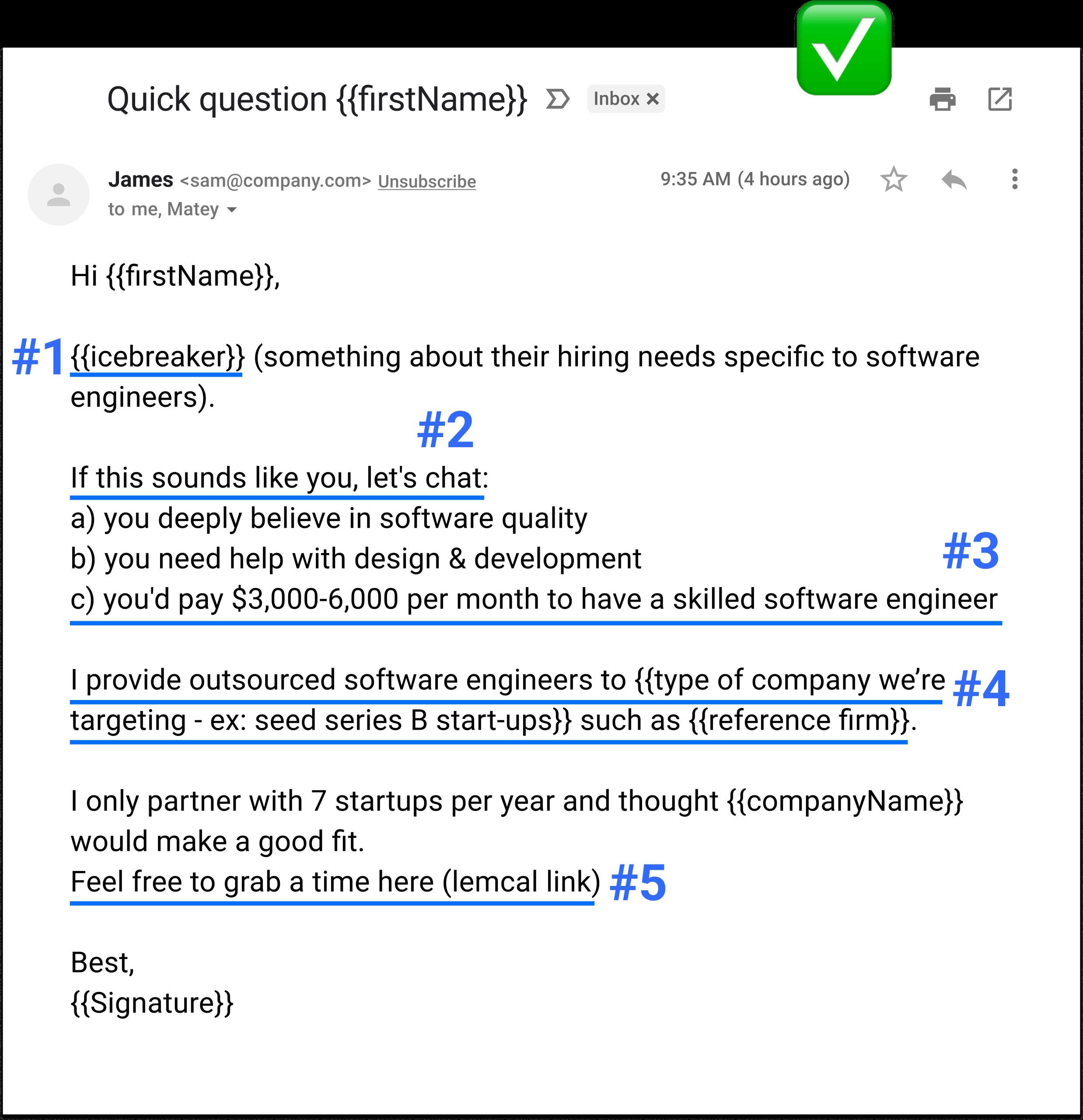
The secret to writing a high-converting cold email is all about grabbing attention quickly, making a personal connection, and clearly showing value. Keep your message concise and focused, and craft a compelling call-to-action that encourages a response. When done right, your cold emails can turn cold leads into warm prospects without feeling pushy.
In short, a successful cold email starts with an engaging subject line, a personalized opening, and a straightforward offer that resonates with the recipient’s needs. The goal is to spark curiosity and build rapport from the first sentence. Follow these principles, and you’ll see your response rates improve significantly.
Getting someone to open and respond to a cold email can feel daunting, but it’s entirely possible with the right approach. If you want your outreach efforts to turn into real opportunities, knowing how to write an effective cold email is essential. This involves understanding your audience, tailoring your message, and focusing on benefits rather than features. So, let’s dive into the key strategies that will help your cold emails stand out and convert!

How to Write a High Converting Cold Email
Understanding the Purpose of a Cold Email
A cold email aims to initiate contact with someone who doesn’t know you well. Its goal is to grab attention and spark interest quickly. To do this effectively, your email must stand out and provide value from the start.
Craft a Catchy Subject Line
The subject line is your first impression. Make it short, clear, and intriguing. Use keywords that relate to the recipient’s needs or interests. Avoid vague phrases and focus on creating curiosity or offering a benefit.
Tips for a Strong Subject Line
- Personalize with the recipient’s name or company
- Ask a question to spark curiosity
- Offer a clear benefit or solution
- Keep it under 50 characters for best results
Personalize Your Message
Personalization shows you’ve done your homework and genuinely care about the recipient. Use their name and reference specific details about their business or challenges. This builds trust and makes your email relevant.
How to Personalize Effectively
- Include their name in the greeting
- Mention recent achievements or news about their company
- Address specific problems they might face
- Avoid generic templates that seem impersonal
Write a Compelling Opening
Your opening should quickly establish relevance. Capture interest with a short, engaging sentence. Connect their needs with your offer right away.
Examples of Effective Openings
- “I noticed your recent expansion into new markets.”
- “Many companies in your industry struggle with X, and I think I can help.”
- “Your recent blog post on Y caught my attention.”
Focus on Value and Benefits
Instead of just explaining what you do, show how it benefits the recipient. Highlight solutions that solve their problems or improve their results.
How to Highlight Value
- Use clear, straightforward language
- Provide specific examples or case studies
- Emphasize outcomes, not just features
- Be concise and avoid jargon
Create a Clear and Simple Call-to-Action
Your CTA guides the recipient toward the next step. Make it easy and straightforward. Whether it’s scheduling a call or downloading a resource, clarity is key.
Examples of Effective CTAs
- “Would you be open to a quick 15-minute call?”
- “Let me know if you’d like more info.”
- “Here’s a link to schedule a time that works for you.”
Adding testimonials, case studies, or client logos can boost trust. Demonstrate that others have benefited from your services or products.
Where to Include Proof
- Within the body of the email
- In an attached case study or link
- As part of your signature with logos or awards
Keep Your Email Short and Focused
Avoid lengthy messages. Short emails are more likely to be read and responded to. Stick to the main points and offer clear value.
Best Practices for Length
- Limit to 3-5 short paragraphs
- Use bullet points for easy scanning
- End with a succinct CTA
Timing and Follow-Ups
Send your cold emails at times when recipients are most likely to check their inbox. Follow up if you get no response, but don’t overdo it.
Optimal Sending Times
- Mid-morning or early afternoon on weekdays
- Avoid weekends and late hours
Follow-Up Strategies
- Wait 3 to 5 days before sending a polite follow-up
- Share additional value or a different angle in follow-ups
- Limit follow-ups to 2 or 3 messages to avoid annoyance
A/B Testing for Better Results
Test different subject lines, messages, and CTAs to see what resonates best. Use analytics to optimize your approach over time.
How to Conduct Effective A/B Tests
- Change only one element at a time
- Track open and response rates
- Use the insights to refine your emails
Analyzing and Improving Your Cold Email Campaigns
Regularly review your results. Look for patterns in what works and what doesn’t. Adjust your style and content based on data.
Key Metrics to Monitor
- Open rates
- Response rates
- Conversion rates
- Unsubscribe rates
Tools and Resources for Writing High Converting Cold Emails
Use email outreach platforms like Mailchimp, Woodpecker, or Yesware to manage campaigns. Leverage templates and automation for efficiency.
Helpful Software Features
- Personalization tokens
- Automated follow-ups
- Tracking opens and clicks
- Analytics dashboards
Common Mistakes to Avoid
Avoid spammy language, over-promising, and generic messages. Personalization and honesty always perform better.
Red Flags in Cold Emails
- Too many links or attachments
- Overly salesy tone
- Missing personalization
- Ignoring reply etiquette
Summary of Key Points
To write a cold email that converts, focus on a compelling subject line, personalization, clear benefits, a simple CTA, and social proof. Keep your message concise and respectful of their time. Regular testing and analysis will help you improve your results over time.
Final Tips for Success
Remember, the goal is to start a conversation. Be genuine, helpful, and respectful. Adapting your approach based on feedback and data ensures you stay relevant and effective.
This detailed approach to crafting high-converting cold emails will help you connect with your prospects more effectively. Practice and refinement are essential to mastering this skill and increasing your outreach success.
How To Write Killer Cold Emails That GUARANTEE Responses (45.8% Reply Rate?!)
Frequently Asked Questions
How can I make my cold email more personalized to increase response rates?
Personalizing your cold email involves researching your recipient to understand their needs and challenges. Use their name, reference their recent work or achievements, and mention specific details relevant to their business. This shows genuine interest and makes your email stand out among generic messages. Tailoring your message demonstrates that you value their unique situation, encouraging them to engage with your outreach.
What are some effective ways to craft a compelling subject line for a cold email?
Create a subject line that sparks curiosity or offers clear value. Keep it concise, relevant, and specific to the recipient’s interests or pain points. Using questions or emphasizing benefits can increase open rates. Avoid overly promotional language and focus on making your subject line relevant enough for the recipient to want to learn more.
How should I structure the body of a high-converting cold email?
Start with a brief introduction that establishes rapport and explains why you’re reaching out. Clearly state the value you can provide without overwhelming the reader with information. Use short paragraphs and bullet points to increase readability. End with a clear call to action that guides the recipient on the next steps, making it easy for them to respond or engage further.
What common mistakes should I avoid when writing cold emails?
Avoid being too lengthy or vague in your message, as this can discourage responses. Don’t focus solely on promoting yourself; instead, emphasize how your solution benefits the recipient. Refrain from using generic templates that lack personalization. Also, avoid aggressive language or pushy calls to action, as these can turn recipients away from your outreach.
How can I increase the chances of my cold email getting a reply?
Follow up strategically without spamming the recipient. Keep your follow-up messages polite and polite, referencing previous interactions or responses. Maintain a focus on the recipient’s needs and demonstrate that you understand their situation. Including a clear and simple call to action makes it easier for them to reply, increasing the likelihood of engagement.
Final Thoughts
How to write a high converting cold email emphasizes clarity, personalization, and a clear call to action. Focus on crafting an engaging subject line that grabs attention immediately. Personalize your message to resonate with the recipient’s needs and interests. End with a concise, compelling call to action that encourages a response. By applying these principles, you increase your chances of success and build meaningful connections. In summary, how to write a high converting cold email is all about relevance, brevity, and a strong focus on the recipient’s benefit. Keep these elements in mind to boost your outreach efforts efficiently.
Recommended Email Marketing


