
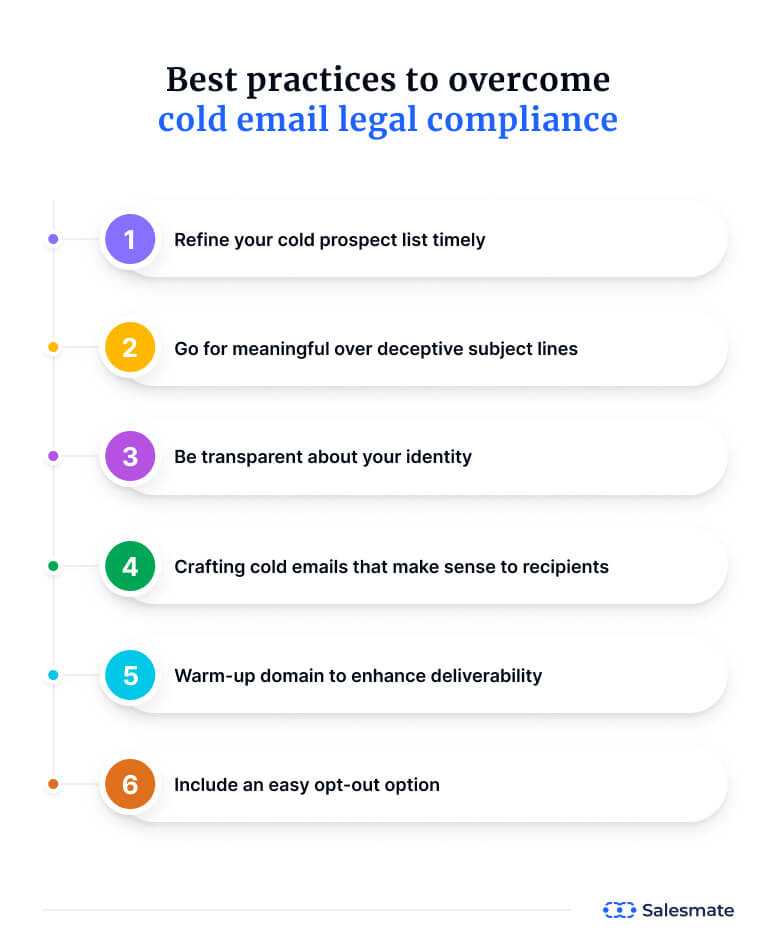
To build a cold email list legally, focus on gathering contacts through ethical methods like networking, using opt-in forms, and leveraging publicly available data while respecting privacy laws. Always obtain explicit consent before adding someone to your mailing list, and ensure your outreach complies with regulations like GDPR and CAN-SPAM. Using these best practices, you can grow your list effectively without risking legal trouble or damaging your reputation.
Building a cold email list legally might seem tricky, but it’s actually straightforward once you understand the rules and best practices. The key is to prioritize consent and transparency, making sure your contacts have willingly provided their information and are open to hearing from you. To do this, you can start by engaging in genuine networking, offering valuable content, and using opt-in methods like lead magnets or subscription forms. By respecting privacy laws and focusing on quality over quantity, you’ll develop a targeted, compliant email list that supports your outreach goals and builds trust with your audience.

How to Build a Cold Email List Legally
Understanding the Importance of Legal Compliance in Cold Emailing
Building a cold email list responsibly is crucial to avoid legal trouble. Laws like the CAN-SPAM Act in the United States and GDPR in Europe set clear rules. These laws protect recipients from unwanted emails and ensure businesses act ethically. Following these regulations also helps maintain your brand’s reputation.
What Are the Key Laws for Cold Emailing?
- CAN-SPAM Act: Requires clear identification of the sender and an easy way to opt out of future emails.
- GDPR: Mandates explicit consent from recipients before sending marketing emails in European countries.
- Canadian Anti-Spam Legislation (CASL): Demands prior consent and accurate identification in emails sent in Canada.
Knowing these laws helps you develop a compliant email list and avoid penalties.
How to Collect Email Addresses Legally
1. Use Opt-In Methods
The safest way to gather email addresses is through explicit opt-in. Let people agree to receive your emails by filling out a form or subscribing on your website. Always provide a clear description of what they will receive.
2. Offer Valuable Incentives
Encourage sign-ups by offering something beneficial. This could be a free ebook, discount, or newsletter that provides real value. Making the offer appealing increases subscription rates.
3. Avoid Buying Email Lists
Purchasing lists might seem quick but poses legal risks. It often results in non-consenting recipients, which violates laws like GDPR. It also damages your email deliverability and reputation.
Building Your Email List Step by Step
1. Create Engaging Lead Magnets
Design free resources such as guides, checklists, or videos relevant to your target audience. They should address specific pain points and be simple to access.
2. Use Sign-Up Forms Everywhere
Place subscription forms on your website, blog posts, landing pages, and social media pages. Make the forms straightforward with minimal fields to encourage sign-ups.
3. Leverage Social Media Channels
Promote your lead magnets on platforms like Facebook, LinkedIn, or Twitter. Use these channels to reach a wider audience and direct interested users to your sign-up forms.
Best Practices for Growing Your Email List
1. Make Sign-Up Easy and Clear
Use simple language and prominent placement. Clarify what subscribers will receive and how often.
2. Respect Subscriber Privacy
Always inform subscribers about how their data will be used. Use a privacy policy and stick to it.
3. Use Double Opt-In
Send a confirmation email after sign-up. This step verifies the email address and confirms the recipient wants to receive your emails.
Maintaining a Legally Compliant Cold Email Campaign
1. Personalize and Segment Your Emails
Tailor your messages based on the recipient’s interests and behaviors. Segmentation improves engagement and reduces spam reports.
2. Include Clear Opt-Out Options
Every email should contain an easy way for recipients to unsubscribe. Honor all opt-out requests promptly.
3. Keep Accurate Records
Document consent and communication history. This helps demonstrate compliance if challenged.
Using Technology to Ensure Compliance
- Employ email marketing tools that integrate compliance features, such as automatic unsubscribe links and consent tracking.
- Use email verification services to ensure your list contains valid, deliverable addresses.
- Filter out unverified contacts to stay within legal limits and improve deliverability.
Common Mistakes to Avoid
- Sending unsolicited emails without prior consent.
- Failing to include an unsubscribe link or making it difficult to opt out.
- Using misleading subject lines or header information.
- Ignoring local laws that require explicit consent or specific disclosures.
Monitoring and Adjusting Your Cold Email Strategy
Regularly review your campaign metrics like open rates, click rates, and bounce rates. Use this data to refine your list building tactics and email content. Stay updated on evolving legal requirements to avoid compliance issues.
Building a cold email list legally requires a clear understanding of applicable laws and ethical practices. Focus on transparent collection methods, providing value, and respecting recipients’ preferences. By following these steps, you can grow your list effectively while maintaining trust and compliance. Remember, responsible list building not only protects your business but also fosters genuine relationships with potential clients.
Kevin O'Leary: How To Send A Cold Email
Frequently Asked Questions
What are the main legal considerations when building a cold email list?
When creating a cold email list, you must ensure compliance with privacy laws such as the General Data Protection Regulation (GDPR) and the CAN-SPAM Act. This means obtaining explicit consent before sending marketing emails, providing recipients with an option to unsubscribe, and clearly identifying yourself in the email. Avoid collecting personal data without permission and ensure your data handling practices respect individuals’ privacy rights.
How can I ethically source contacts for my cold email list?
Ethical sourcing involves collecting contact information through legitimate means, such as industry events, networking, or publicly available business directories. Always verify the accuracy of the data and avoid purchasing lists from third-party providers that do not guarantee lawful collection practices. Building a list organically through engagement and permission fosters trust and reduces the risk of legal issues.
What steps should I take to ensure my cold emails are compliant with anti-spam laws?
To comply with anti-spam laws, include an easy way for recipients to opt out of future emails in every message. Use clear and honest subject lines and avoid deceptive content. Make sure your contact information is visible, and only send emails to individuals who have given their consent or have a legitimate interest. Regularly review your email practices to stay aligned with evolving regulations.
How can I maintain a high-quality cold email list without violating privacy laws?
Focus on collecting contacts who have shown interest in your industry or offerings. Use consent-based methods and keep your list updated by removing inactive or unengaged contacts. Implement double opt-in processes to confirm subscription, and always respect recipients’ requests to unsubscribe. This approach ensures your list remains compliant and effective.
Final Thoughts
Building a cold email list legally requires respecting privacy laws and obtaining consent when necessary. Always verify opt-in requirements in your target regions to avoid legal issues. Use reputable sources like industry conferences, networking events, and online directories to gather contacts ethically. Focus on creating engaging, personalized messages that add value. Following these steps ensures you build a compliant and effective cold email list.
Recommended Email Marketing


