
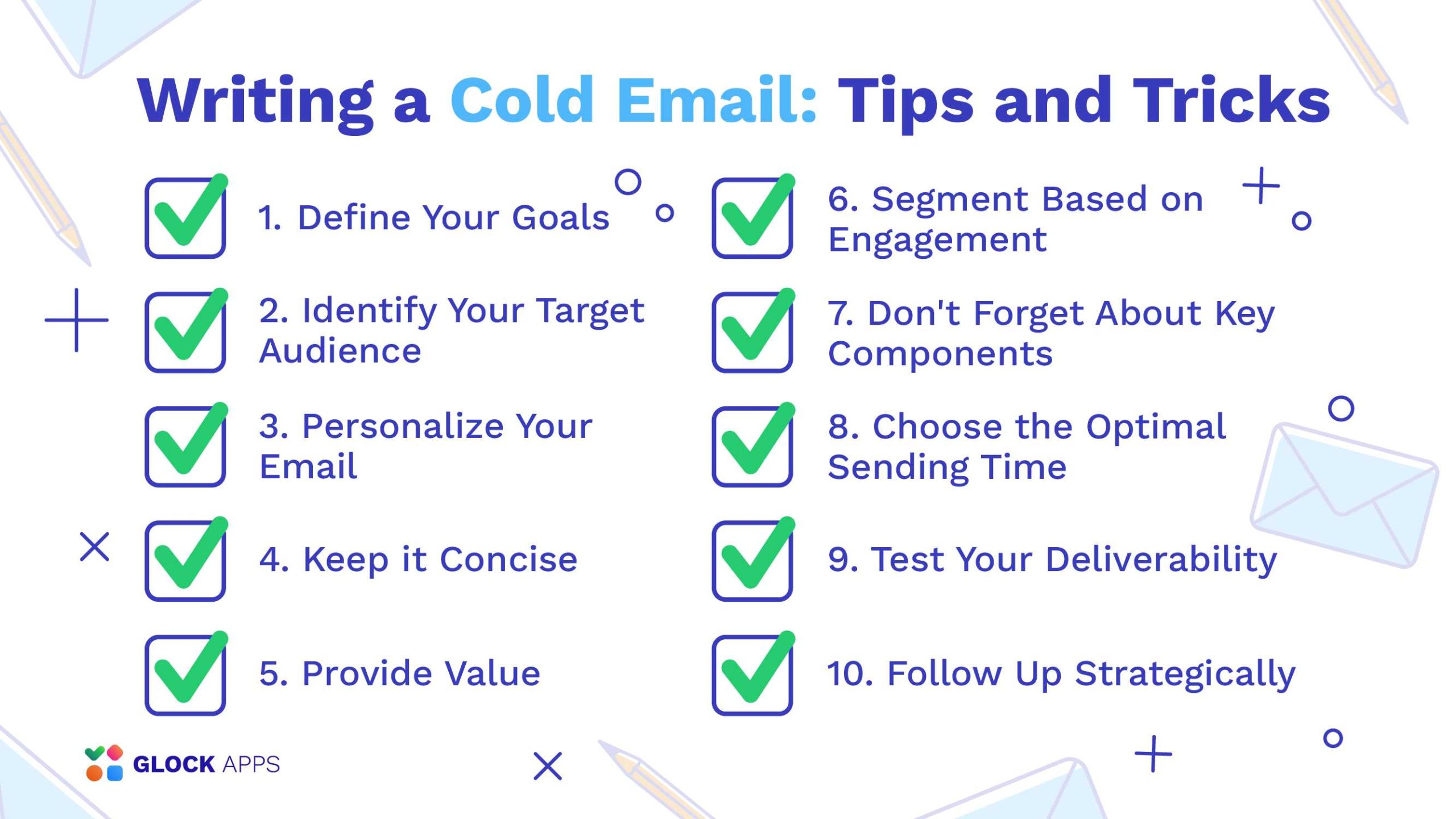
To boost your cold email engagement, personalization is key—no one wants to read a generic mass message. Start by researching your recipient to understand their needs and interests, then craft a message that speaks directly to those points. Use their name, reference recent achievements, or mention common connections to make your email feel authentic and relevant. The more tailored your approach, the higher your chances of grabbing attention and eliciting a response. Remember, a personalized email shows you’ve invested time and effort, which builds trust and piques curiosity. In short, effective personalization transforms your cold outreach from spam into a meaningful conversation starter, increasing your chances of success and fostering genuine connections.
Ready to master cold email personalization? Focus on understanding your recipient, customizing your message accordingly, and keeping it sincere. These simple yet powerful tips can dramatically improve your response rates and build lasting relationships. When your emails feel personal and relevant, your engagement will naturally soar.

Cold email personalization tips for better engagement
Understanding the importance of personalization in cold emails
Personalization plays a critical role in making cold emails stand out. When your message feels tailored to the recipient, they are more likely to read and respond. Generic emails often get ignored because they don’t address individual needs or interests.
Personalized emails build trust and create a connection quickly. They show that you’ve taken the time to learn about the recipient, which encourages engagement. Therefore, investing effort in personalization can significantly improve your reply rates and overall success.
Research your recipients thoroughly
Before writing your email, spend some time learning about your prospects. Collect information from their social media profiles, company websites, and recent news articles.
Look for common interests, recent achievements, or mutual connections that you can mention. This research helps you craft messages that resonate with each recipient’s specific situation. The more relevant your email feels, the higher the chance they will respond positively.
Key points for researching recipients
- Review their LinkedIn profile for professional background
- Check their company website for recent updates or blog posts
- Look for mutual connections or shared interests
- Follow their activity on social media platforms
Personalize the subject line
The subject line is the first thing your recipient sees and can determine whether they open your email. Use personalized data to craft catchy, relevant subject lines.
Include their name, company, or a recent achievement to pique curiosity. For instance, instead of a generic “Hello,” try “Congratulations on your recent product launch, Sarah.” Personalized subject lines boost open rates and set the tone for a targeted message.
Examples of effective personalized subject lines
- “John, your recent blog post caught my attention”
- “Alex, exploring partnership opportunities with Your Company“
- “Congratulations on your award, Emma!”
Customize the email greeting and opening sentence
Start your email with a greeting that addresses the recipient by name. Follow with an opening sentence that relates to the research you’ve done. This shows genuine interest and makes the email feel human and authentic.
Avoid generic openings like “I hope you’re well.” Instead, try something specific like “I saw your recent keynote on sustainable practices, which resonated with me.” A personalized opener invites engagement and sets a friendly tone for the rest of your message.
Offer value tailored to the recipient
Focus on how your product, service, or idea can specifically benefit the recipient. Use the insights from your research to craft personalized value propositions.
Explain how your solution addresses their pain points or helps them achieve their goals. Personalization demonstrates that you’ve thought about their needs, making it more likely they will respond positively.
Effective ways to present personalized value
- Relate your offer to a recent challenge they faced
- Connect your product to their company’s mission or values
- Suggest specific ways you can support their current projects
Use dynamic content to personalize your message
Dynamic content allows you to customize parts of your email based on recipient data automatically. This technique can include personalized images, specific product recommendations, or tailored call-to-actions.
Tools like email marketing platforms enable you to insert variables to insert the recipient’s name, company, or recent activity seamlessly. Dynamic content makes your emails more relevant and engaging without requiring manual customization for every message.
Including references to mutual connections, testimonials, or case studies relevant to the recipient increases trust. Showcasing how others like them have benefited from your offer proves your credibility.
For example, mentioning a similar client or sharing a success story within their industry adds context and reassurance. Social proof helps your recipient see the tangible benefits others have received, increasing the likelihood of a response.
Personalization in email timing and follow-up
Timing your email right can impact engagement significantly. Use data to determine when your recipient is most likely to check their inbox.
Follow-up emails should also be personalized, referencing previous interactions or new insights. Personalized timing and messaging display your commitment and attentiveness, encouraging a reply.
Tips for effective follow-ups
- Reference your initial email to remind the recipient
- Share new relevant information or updates
- Respect their time and avoid frequent messaging
Automate personalization for scalability
While manual personalization is ideal, automation makes scaling your efforts manageable. Use email marketing tools to insert personalized data dynamically.
Create templates with placeholders that automatically fill in details like name, company, or recent activity. This approach ensures consistency and saves time while maintaining a personal touch.
Measure and refine your personalization strategy
Track open rates, click-through rates, and responses to gauge your personalization effectiveness. Use these insights to refine your approach continually.
Test different elements like subject lines, opening sentences, and value propositions to see what resonates best. Data-driven adjustments help you improve your engagement over time.
- Writing compelling cold email copy
- Designing visually appealing email layouts
- Using analytics to optimize outreach campaigns
- Crafting effective call-to-actions
Implementing these cold email personalization tips can significantly increase your chances of building meaningful connections. By understanding your recipient, customizing your message, and providing genuine value, you turn cold contacts into warm prospects eager to engage.
Email Personalization: Tips & Strategies for Better Engagement Ft. Patrick Spielmann #coldemailing
Frequently Asked Questions
How can personalization increase the chances of a response from cold emails?
Personalization makes your email stand out by showing that you have taken the time to understand the recipient’s needs and interests. When you address specific pain points or mention recent activities related to the recipient, they feel valued and are more likely to respond. Tailoring your message creates a connection and demonstrates genuine interest, which encourages engagement.
What are effective ways to gather information about your prospects for better personalization?
Research prospects by reviewing their social media profiles, company websites, and recent news articles. Look for common interests, recent achievements, or challenges they face. Engaging with their content or mentioning relevant details in your email shows that you care about their situation. This effort helps you craft more relevant and compelling messages that resonate with them.
How should I customize the email subject line to improve open rates?
Use the recipient’s name or reference a shared connection or recent event to make the subject line more engaging. Keep it concise and relevant to their interests or pain points. Personalized subject lines grab attention quickly and increase the likelihood that your email gets opened and read.
What role does timing play in the effectiveness of personalized cold emails?
Timing your emails appropriately increases the chances of engagement. Send messages when your prospects are most likely to check their inbox, such as mid-morning or early afternoons during weekdays. Additionally, consider time zones and avoid sending emails during busy or off-hours to ensure your message stands out and receives prompt attention.
How can follow-up emails be personalized to maintain interest?
Reference previous interactions or responses in your follow-up messages to show continuity and attentiveness. Address specific concerns or questions they raised earlier, and offer additional value tailored to their situation. Personalized follow-ups demonstrate persistence and genuine interest, which can lead to better engagement over time.
Final Thoughts
Cold email personalization tips for better engagement can significantly boost your response rates. Start by researching your prospects thoroughly to understand their needs and interests. Use their name and reference specific details to show genuine interest. Tailor your message to address their pain points directly, making it relevant and compelling.
Incorporate personalized insights and a clear call-to-action to encourage interaction. Keep your email concise and engaging, respecting their time. By applying these strategies, you improve your chances of connecting effectively, making your cold emails more impactful.
Recommended Email Marketing


