
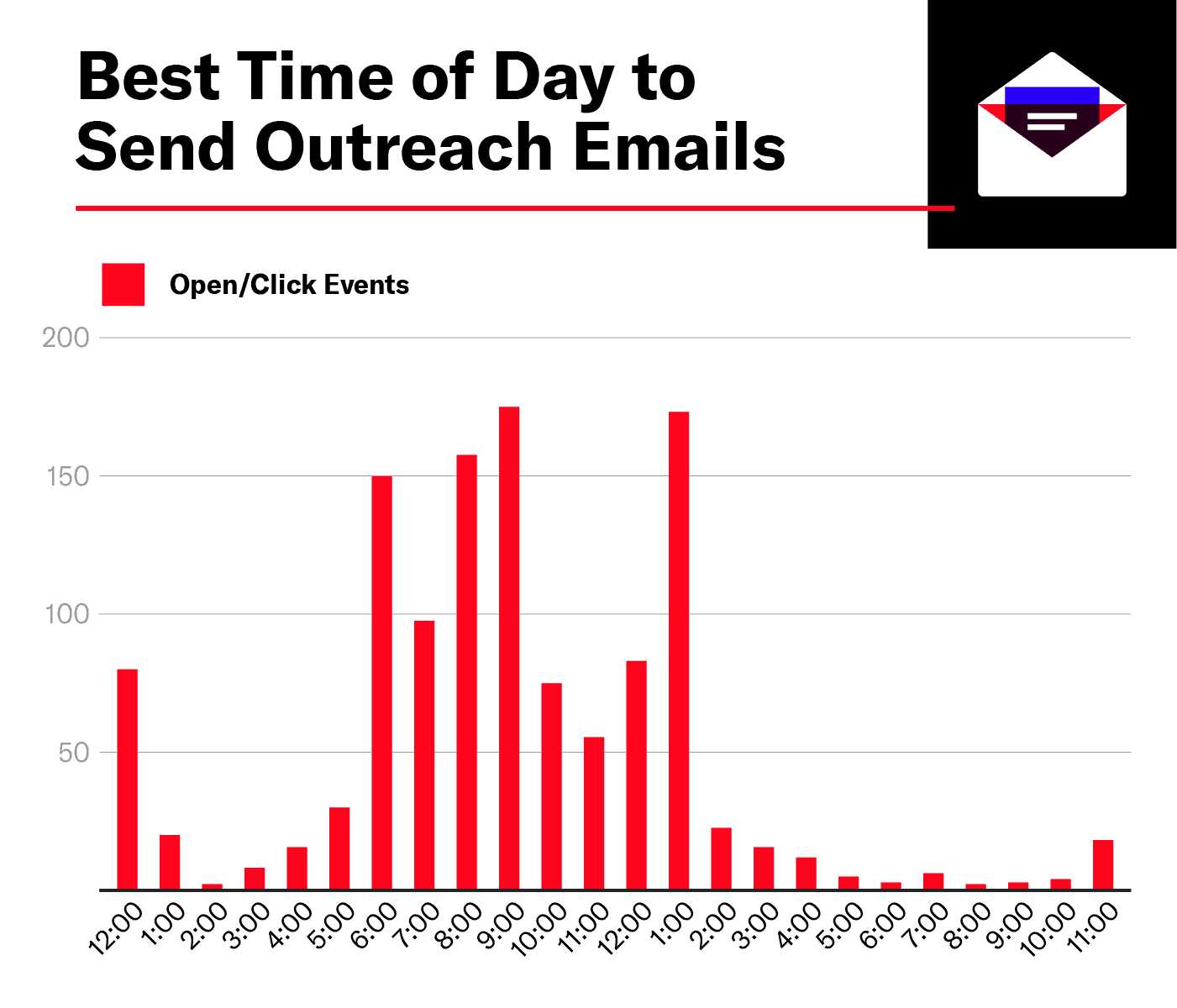
The best time and day to send cold emails can significantly boost your open and response rates. Sending emails when your prospects are most likely to check their inbox makes all the difference in getting noticed. Generally, mid-week mornings tend to be the most effective, while avoiding weekends and late afternoons. Timing is crucial for cutting through the noise and making your email stand out.
In a nutshell, the optimal time to send cold emails is Tuesday through Thursday, between 9 a.m. and 11 a.m., when recipients are most receptive. Avoid weekends and late afternoon hours, as emails tend to get lost or ignored during these times. Planning your outreach around these windows can improve your chances of engagement and help you generate better responses.
Getting your cold emails sent at the right time is about understanding your audience’s habits and habits, which can vary depending on industry and region. Still, sticking to mid-week mornings is a solid rule of thumb for maximizing your email outreach effectiveness.

Best time and day to send cold emails
Understanding the importance of timing in cold emailing
Timing plays a crucial role in whether your cold email gets opened, read, and responded to. Sending emails at the right time increases the chances of engagement. It helps your message stand out amid inbox clutter. The goal is to reach recipients when they are most likely to check their emails.
How recipient behavior affects email open rates
People’s routines influence when they check their email. Many check their inboxes first thing in the morning, during lunch breaks, or late in the afternoon. Knowing these habits can help you time your emails better. Optimal timing aligns with when your audience is most receptive.
Optimal days for sending cold emails
Based on numerous studies, certain days outperform others in email response rates. Generally, Tuesday, Wednesday, and Thursday are considered the best days. These midweek days see higher open and reply rates. Avoid Mondays, when inboxes are often overwhelmed, and Fridays, when people prepare for the weekend.
Why Mondays are less effective
On Mondays, most people focus on catching up on work left from the weekend. They often ignore new emails or skim through them quickly. Sending cold emails on this day might lead to your message being overlooked.
Why Fridays are not ideal
Fridays tend to be busy and less focused on work-related emails. Many employees start winding down or preparing for the weekend, decreasing the likelihood of engagement. Cold emails sent on Fridays may sit unopened until the following week.
Best times of day to send cold emails
The time of day can significantly impact email engagement. The early morning, midday, and late afternoon are prime slots. Each offers unique advantages depending on recipient habits and time zones.
Early morning (6 am to 9 am)
People often check their emails shortly after waking up. Sending emails early can catch them before they start their daily tasks. Early morning emails tend to have higher open rates due to less inbox congestion.
Midday (11 am to 1 pm)
Lunch breaks provide a window where people briefly check personal and work emails. Sending emails during this time may increase visibility. Keep messages concise to grab attention during busy lunch hours.
Late afternoon (3 pm to 5 pm)
As the workday winds down, many review their inboxes. Emails sent late afternoon can be seen as people plan for the next day. However, response rates might be slightly lower than morning or midday.
Considerations for different industries and audiences
Different industries and audiences have unique email habits. For instance, B2B professionals might check emails during work hours, while B2C consumers may engage more in the evenings. Tailor your timing based on recipient behavior for better results.
Time zone awareness and segmentation
Always consider the recipient’s time zone to avoid sending emails at inconvenient hours. Use email marketing tools to segment your list by location. This ensures your message arrives at the optimal moment for each recipient.
Using data and testing to refine timing
No single rule applies universally. Use analytics to monitor open and response rates based on different days and times. Conduct A/B testing by sending emails at various times to discover what works best for your audience.
Impact of seasonality and holidays
Seasonal factors and holidays influence email engagement. For instance, avoid sending cold emails during major holidays or busy seasons when inbox activity drops. Timing your outreach around special events can boost visibility.
Automation tools for optimal timing
Leverage tools like email scheduling and automation platforms. These let you optimize send times based on recipient behavior and time zones. Automation ensures your emails reach audiences at their most active moments.
Summary table: Best days and times to send cold emails
| Day | Best Time | Reason |
|---|---|---|
| Tuesday | 6 am to 9 am / 11 am to 1 pm | High open rates, less inbox clutter |
| Wednesday | 6 am to 9 am / 3 pm to 5 pm | Peak engagement, midweek productivity |
| Thursday | 6 am to 9 am / 11 am to 1 pm | Strong response distribution |
| Monday | Later in the morning or midday | Better than early morning, but less effective than midweek |
| Friday | Late morning or early afternoon | Less competition, but response may dip |
Finding the best time and day to send cold emails involves understanding recipient habits, industry nuances, and testing different strategies. Focus on midweek mornings for the highest engagement, but tailor your approach based on data and audience insights. Remember, small adjustments in timing can lead to significant improvements in response rates, so stay flexible and analytical to keep refining your outreach efforts.
What is the best time to send cold emails? #coldemail
Frequently Asked Questions
What are the best times of day to send cold emails for higher engagement?
Sending cold emails during mid-morning (around 9-11 AM) and early afternoon (1-3 PM) tends to yield better results. During these times, recipients are more likely to check their inboxes and respond. Avoid early mornings or late evenings when inboxes are often cluttered or unattended.
How does the day of the week impact the effectiveness of cold emails?
Weekdays, especially Tuesdays and Thursdays, generally see higher open and reply rates for cold emails. Mondays can be busy with catching up on work, while Fridays often see reduced engagement as people prepare for the weekend. Midweek days strike a good balance for reaching recipients effectively.
Is there an ideal frequency for sending cold emails during a week?
Sending no more than 2-3 emails per week prevents overwhelming recipients and increases the chance of a response. Spacing your emails appropriately gives recipients time to consider your message without feeling pressured. Consistency and good timing help build familiarity and trust.
Should I consider the recipient’s industry when choosing timing for cold emails?
Yes, understanding industry-specific schedules can improve your outreach. For example, professionals in retail may be less responsive during busy shopping seasons, while corporate executives might be more available during standard business hours. Adjust your timing based on the typical workflow of your target industry.
Are there specific months that are better for sending cold emails?
Yes, the beginning of the year and during early fall often see higher engagement as people plan new projects or return to routine after vacations. Avoid major holiday periods when inbox activity drops and recipients may be away or less responsive.
Final Thoughts
The best time and day to send cold emails depends on your target audience’s habits and industry.
Research shows that Tuesdays and Thursdays in the mid-morning or early afternoon tend to yield higher open rates.
Avoid weekends and late evenings, as recipients are less likely to check emails then.
In conclusion, identifying the best time and day to send cold emails can significantly improve your outreach success and engagement rates.
Recommended Email Marketing


