
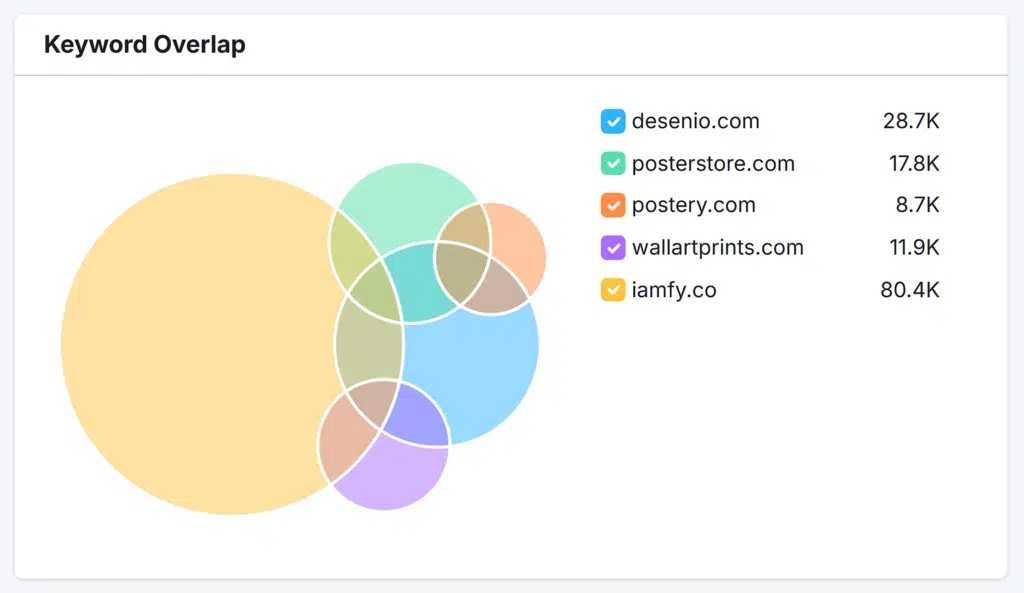
To uncover hidden opportunities in your niche, analyzing your competitors is the secret weapon. By examining their keywords, you can identify gaps in your own strategy and discover high-value keywords they’re ranking for that you’re missing out on. This approach helps you refine your content and outrank your rivals effectively.
A quick answer: Start by analyzing your competitors’ websites to see which keywords they rank highly for, then compare those with your own list to find keywords they are targeting that you aren’t. Use tools like SEMrush or Ahrefs to uncover these gaps. Focus your content development on these uncovered keywords to boost your visibility and outshine your competitors.
Jumping straight into competitor analysis can feel overwhelming, but it’s a game-changer for SEO. By studying what keywords your competitors rank for but you don’t, you can pinpoint exactly where your opportunities lie. This proactive approach allows you to fill content gaps and create targeted pages that drive more organic traffic. Whether you’re new to SEO or looking to sharpen your strategy, leveraging competitor insights is a practical way to identify and capitalize on untapped keyword opportunities, ultimately propelling your website ahead of the competition.

How to use competitors to discover keyword gaps
Understanding the Importance of Keyword Gaps
Knowing where your website falls short in search engine rankings helps you find new opportunities. Keyword gaps are terms your competitors rank for that you do not target. Recognizing these gaps allows you to expand your content and attract more visitors. Filling these gaps can lead to higher visibility and increased traffic for your site.
Analyzing Competitors’ Websites
Start by choosing your main competitors in your niche or industry. Use tools like SEMrush, Ahrefs, or SimilarWeb to gather data on their websites. Look at their top-performing pages and the keywords they rank for. This gives you a clear picture of what keywords are driving their success. Comparing these with your own website highlights areas where you are missing out.
Identifying Top Performing Pages
Examine pages with high traffic and keyword rankings. These pages usually target popular keywords you might not have considered. Notice how competitors structure their content and use keywords naturally. Pay attention to keywords that appear repeatedly across multiple pages, signaling relevance and search volume.
Using Keyword Research Tools
Utilize keyword tools to extract competitor keywords. Input your competitors’ domains to see their ranking keywords and related search terms. Focus on keywords with high search volume and low competition. These represent opportunities to target terms that matter to your audience but are not yet part of your content strategy.
Finding Keyword Gaps through Comparative Analysis
Create a list of keywords your competitors rank for but you do not. These are your immediate keyword gaps. Use spreadsheets or specialized tools to organize this data clearly. Prioritize keywords based on search volume, relevance, and competitiveness to determine which gaps to fill first.
Mapping Keywords to Content Topics
Translate keywords into content ideas. Group related keywords into clusters around specific topics. This helps you create targeted content that is optimized for multiple relevant keywords. Clustering ensures comprehensive coverage of each topic and improves your chances of ranking higher.
Evaluating Keyword Difficulty and Opportunity
Assess each keyword’s difficulty score and search volume. Focus on keywords with a balance of manageable competition and substantial search volume. This ensures your effort translates into actual traffic gains without requiring an impossible level of effort.
Creating Content to Cover Keyword Gaps
Once gaps are identified, craft content specifically around these keywords. Use the keywords naturally within the content, including headings, meta descriptions, and image alt text. Unique and high-quality content tailored to your target keywords can outperform competitors who are not as specialized.
Developing a Content Calendar
Plan your content creation around the keywords you want to target. Schedule regular publication of blog posts, articles, or guides that address these gaps. Consistency helps improve your rankings and shows search engines that your site is active and relevant.
Optimizing Content for SEO
Apply on-page SEO best practices to each piece of content. Use keywords strategically without keyword stuffing. Include internal links to related pages, optimize images, and ensure fast loading times. Proper SEO increases the likelihood of ranking higher for new keywords.
Monitoring Success and Adjusting Strategies
Track the performance of your new content targeting keyword gaps. Use analytics tools like Google Analytics and Search Console to monitor traffic, rankings, and user engagement. If certain keywords do not perform well, refine your content or explore new gaps suggested by ongoing competitor analysis.
Conducting Regular Competitor Reviews
Set a schedule to review competitor websites periodically. New keywords and content strategies emerge constantly. Staying updated allows you to adjust your approach promptly and continuously refine your keyword gap strategy.
Expanding Your Keyword List Over Time
As you rank for new terms, analyze related keywords to expand your coverage. Use auto-suggest features in search engines or keyword tools to find long-tail variations. This ongoing process increases your site’s authority and visibility across more search queries.
Additional Tips for Effective Competitor Keyword Analysis
– Focus on keywords with high relevance to your audience.
– Prioritize long-tail keywords for better conversion rates.
– Use filters to find keywords with low competition.
– Combine keyword data with user intent insights to craft compelling content.
– A/B test different content approaches to see what best captures your audience’s interest.
Leveraging Content Gaps to Strengthen Your Brand
Addressing keyword gaps not only boosts your search rankings but also enhances your authority in your niche. Creating comprehensive content around these gaps positions your brand as a trusted source. This can lead to more backlinks, social shares, and overall visibility.
Using your competitors to find keyword gaps offers a strategic way to grow your online presence. By analyzing their websites, identifying overlooked keywords, and creating targeted content, you can elevate your search engine rankings effectively. Remember to keep monitoring and updating your approach to stay ahead in your industry. This ongoing process ensures you continually expand your reach and attract more visitors to your website.
How to Use the Semrush Keyword Gap Tool (Beat Your SEO Competitors)
Frequently Asked Questions
How can analyzing competitors’ keywords help identify opportunities in niche markets?
Examining the keywords your competitors target allows you to spot niche segments they may overlook. By analyzing their keyword strategies, you can find gaps where no competitor is actively ranking. These gaps often represent specialized topics or long-tail keywords that you can target to reach highly specific audiences, giving you an advantage for capturing underserved markets.
What tools can I use to compare my keyword list with my competitors’ to find valuable opportunities?
Several tools facilitate this comparison, such as SEMrush, Ahrefs, and Moz. These platforms let you analyze your competitors’ top-ranking keywords, traffic estimates, and backlink profiles. By inputting your website and your competitors’ sites, you can identify keywords they rank for that you don’t, highlighting potential gaps in your own content strategy to address.
How can analyzing competitors’ content help reveal keywords I’ve missed?
Reviewing your competitors’ content allows you to see which keywords drive their traffic and engagement. By examining their articles, product pages, and blog posts, you can identify common keywords and themes. This process might uncover keywords related to topics you haven’t covered yet, enabling you to develop new content targeted at those gaps.
What steps should I take to prioritize keyword gaps based on competitive analysis?
Start by listing the keywords your competitors rank for that you do not. Next, evaluate the search volume, competition level, and relevance of each keyword. Focus on high-volume, low-competition keywords that align with your business goals. Incorporate these into your content plan, creating targeted pages or blog posts to fill the gaps and improve your overall SEO presence.
How often should I review competitors’ keyword strategies to stay ahead?
Perform a competitive keyword analysis at least quarterly. Markets and trends evolve rapidly, and competitors may shift their focus or discover new keywords. Regular reviews help you adapt your strategies promptly, ensuring you remain competitive and do not miss valuable opportunities in your niche.
Final Thoughts
Using competitors to discover keyword gaps allows you to identify opportunities your site may be missing. Analyze their content to see which keywords they rank for that you don’t. This process reveals areas where you can optimize.
Focus on keywords relevant to your niche that your competitors overlook. Incorporate these insights into your strategy to attract more targeted traffic. Constantly monitor and refine your approach.
How to use competitors to discover keyword gaps provides a clear pathway to refine your content and stay ahead in search rankings. Prioritize these gaps to grow your online presence effectively.
Recommended SEO


