

Use your email list for marketing to build a thriving community and drive consistent sales. It’s your direct line to customers, offering a powerful, personalized way to connect, nurture leads, and boost conversions with a smart, step-by-step strategy.
Hey there! In the fast-paced world of online marketing, it’s easy to feel overwhelmed. With so many channels buzzing, you might wonder if email marketing is still relevant. It absolutely is! Many of us start building an email list with good intentions but then stare at it, wondering, “Now what?”
Don’t worry, I’ve been there. The good news is that using your email list for marketing doesn’t have to be complicated. It’s all about having a clear strategy and taking simple, actionable steps.
I’m here to guide you through it, making it easy to understand and exciting to implement. We’ll break down how to turn that list into a powerhouse for your business, transforming subscribers into loyal customers. Get ready to learn how to make your emails work for you, driving real growth and building meaningful connections.
Why Your Email List is Your Marketing Goldmine
Think of your email list as your most valuable asset. It’s a direct channel to people who have already shown interest in what you offer. Unlike social media, where algorithms can change overnight, your email list is yours.
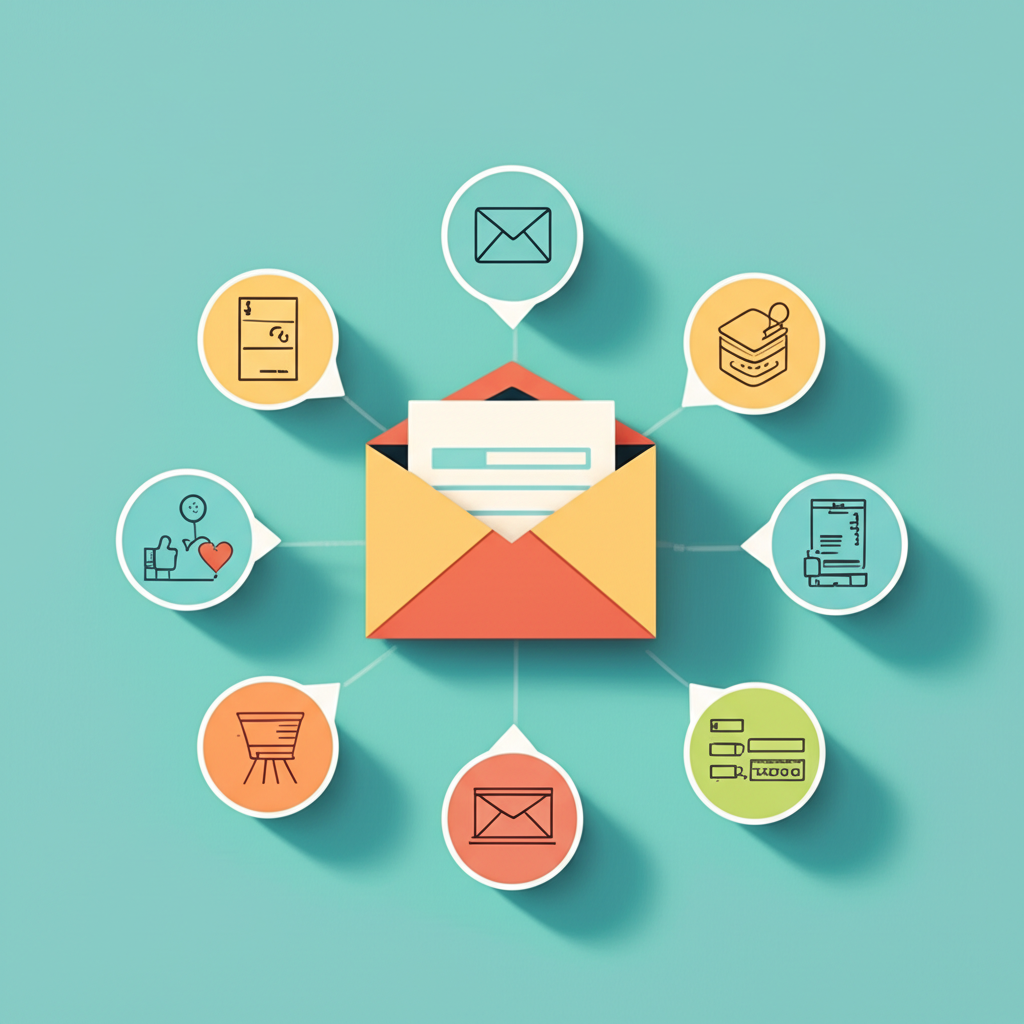
This direct connection allows for personalized communication. You can speak directly to your subscribers, building trust and rapport. This makes them more likely to engage with your content and, ultimately, become paying customers.
When used strategically, email marketing offers an incredible return on investment. It’s a cost-effective way to nurture leads, announce new products, share valuable content, and drive sales. It truly is the heartbeat of a strong digital marketing strategy.
Step 1: Building a Quality Email List (It’s All About Value!)
Before you can use your email list, you need to build it. And not just any list – a quality list filled with people genuinely interested in your brand. This means offering value in exchange for their email address.
Opt-in Forms: Your Digital Welcome Mat
Place clear and compelling opt-in forms on your website. These should be easy to find and understand. Offer something valuable to entice sign-ups.
Lead Magnets: Offer a freebie like an e-book, checklist, webinar, discount code, or exclusive content.
Pop-ups: Use well-timed pop-ups that don’t annoy visitors but offer a clear benefit.
Embedded Forms: Place forms within your blog posts or on your contact page.
Landing Pages: Create dedicated pages for specific offers, driving traffic to them from ads or social media.
Content is King (and Queen!)
Regularly publishing high-quality content attracts your ideal audience. When people find your blog posts, videos, or podcasts valuable, they’re more likely to want to stay connected. Make sure your call to action for signing up is clear within your content.
Promote your email list on your social media profiles and in your email signatures. You can also run targeted ads to encourage sign-ups for your lead magnets. Every touchpoint is an opportunity to grow your list.
Step 2: Choosing the Right Email Marketing Platform
Once you start collecting emails, you’ll need a platform to manage your list and send campaigns. There are many options available, catering to different needs and budgets.
Key Features to Look For
When selecting a platform, consider ease of use, automation capabilities, segmentation options, and analytics. Pricing is also a factor, but often the more affordable options offer less functionality.
Here’s a quick look at some popular choices:
| Platform | Best For | Key Features | Pricing (Starts At) |
|---|---|---|---|
| Mailchimp | Beginners, small businesses | User-friendly interface, automation, landing pages | Free tier available, paid plans from ~$13/month |
| ConvertKit | Creators, bloggers, online entrepreneurs | Advanced segmentation, powerful automation, creator-focused features | Free tier available, paid plans from ~$29/month |
| ActiveCampaign | Growing businesses, e-commerce | Robust automation, CRM integration, advanced segmentation | Paid plans from ~$29/month |
| GetResponse | All-in-one marketing needs | Email marketing, automation, landing pages, webinars | Paid plans from ~$15/month |
Choosing the right platform is crucial for efficient management and effective campaigns. Don’t be afraid to try out free trials to see which one feels best for you.
Step 3: Segmenting Your List for Laser-Focused Campaigns
Sending the same email to everyone on your list is a missed opportunity. Segmentation allows you to divide your list into smaller groups based on shared characteristics or behaviors. This lets you send more relevant and personalized messages, which leads to higher engagement.
Common Segmentation Strategies
Demographics: Age, location, gender (if collected ethically and relevant).
Purchase History: What have they bought? How recently?
Engagement Level: Who opens and clicks your emails most often? Who hasn’t opened in a while?
Interests: What topics have they shown interest in (e.g., through clicks or specific opt-ins)?
Stage in the Customer Journey: New subscriber, active customer, lapsed customer.
By segmenting, you can tailor your content. For example, you might send a special offer for a product to those who have previously purchased a related item. Or, you could re-engagement campaign to subscribers who haven’t opened your emails recently.
Step 4: Crafting Engaging Emails That Get Opened and Clicked
The magic of email marketing lies in your ability to connect with your audience. This starts with compelling subject lines and continues with valuable, well-written email content.
The Art of the Subject Line
Your subject line is the gatekeeper. It needs to be intriguing enough to make someone open your email.
Keep it concise: Aim for 40-60 characters.
Create urgency or curiosity: “Last Chance: 50% Off Ends Tonight!” or “Did You See This?”
Personalize: Use the subscriber’s name if appropriate.
Be clear about the value: “Your Weekly Marketing Tips Inside”
Avoid spam triggers: Excessive capitalization, exclamation points, or words like “FREE!!!”
Writing Compelling Email Copy
Once they open, your content needs to deliver.
Personalize the greeting: “Hi [Name],” is much better than “Dear Subscriber.”
Get straight to the point: Respect their time.
Focus on benefits, not just features: How does your product or content help them?
Use a clear Call to Action (CTA): What do you want them to do next? “Shop Now,” “Read More,” “Download Here.” Make CTAs stand out.
Break up text: Use short paragraphs, bullet points, and headings.
Maintain brand voice: Be consistent with your overall brand personality.
Design Matters Too
While content is king, a clean and visually appealing design helps. Use your brand colors, a readable font, and ensure your emails are mobile-responsive. A good rule of thumb is to keep it simple and focused on the message.
Step 5: Automating Your Email Marketing for Efficiency
Automation is a game-changer. It allows you to send timely, relevant emails without manual intervention. This frees up your time and ensures your subscribers receive the right message at the right moment.
Common Automation Workflows
Welcome Series: A sequence of emails sent to new subscribers. This is your chance to introduce your brand, set expectations, and offer initial value.
Abandoned Cart Reminders: For e-commerce, these emails nudge customers who added items to their cart but didn’t complete the purchase.
Birthday/Anniversary Emails: Send special offers or messages on personal milestones.
Re-engagement Campaigns: Target inactive subscribers to try and win them back.
Post-Purchase Follow-ups: Thank customers, ask for reviews, or suggest related products.
Here’s an example of a simple welcome series:
| Email # | Trigger | Goal | Content Idea |
|---|---|---|---|
| 1 (Immediately) | New subscriber signs up | Welcome & Deliver Lead Magnet | Thank them, deliver the promised freebie, introduce your brand briefly. |
| 2 (1 Day Later) | Email 1 opened | Build Connection & Share Value | Share a popular blog post or a quick tip related to your niche. |
| 3 (3 Days Later) | Email 2 opened | Introduce a Core Offer | Casually mention a product or service that solves a common problem for your audience. |
| 4 (7 Days Later) | Email 3 opened | Social Proof/Case Study | Share a customer testimonial or a brief success story. |
Automation ensures consistent communication, which is key to nurturing leads and building relationships.
Step 6: Analyzing Your Email Performance (What’s Working?)
You’ve built your list, segmented it, crafted emails, and set up automations. Now, it’s time to see how it’s all performing. Analytics are your best friend here, providing insights into what resonates with your audience.
Key Metrics to Track
Open Rate: The percentage of subscribers who opened your email. This indicates the effectiveness of your subject line and sender name.
Click-Through Rate (CTR): The percentage of subscribers who clicked on a link within your email. This shows how engaging your content and CTAs are.
Conversion Rate: The percentage of subscribers who completed a desired action (e.g., made a purchase, downloaded a resource) after clicking a link. This is the ultimate measure of success.
Bounce Rate: The percentage of emails that couldn’t be delivered. High bounce rates can hurt your sender reputation.
Unsubscribe Rate: The percentage of subscribers who opted out. A low rate is good; a sudden spike might indicate an issue.
Interpreting the Data
Don’t get lost in numbers. Focus on trends. If your open rates are low, experiment with different subject lines. If CTR is down, your email content or CTA might need tweaking. Use this data to continuously refine your strategy.
According to HubSpot, the average email open rate across all industries is around 20.5%, and the average click-through rate is about 2.3%. These are benchmarks, but your goal should always be to improve your own performance over time.
Step 7: Maintaining a Healthy Email List
A healthy list is an engaged list. Regularly cleaning your list is essential for better deliverability and higher engagement rates.
List Hygiene Best Practices
Remove inactive subscribers: If someone hasn’t opened your emails in a long time (e.g., 6 months) and hasn’t responded to re-engagement campaigns, it might be time to let them go.
Monitor bounce rates: Address hard bounces immediately by removing those addresses.
Make unsubscribing easy: A clear unsubscribe link is legally required and good practice. It’s better to have someone unsubscribe than to mark your email as spam.
Encourage preference updates: Allow subscribers to update their preferences, so they receive only the content they’re interested in.
Keeping your list clean ensures you’re sending emails to people who actually want to receive them. This improves your sender reputation and keeps your marketing efforts effective.
Frequently Asked Questions About Using Your Email List
Let’s tackle some common questions beginners have when diving into email list marketing.
How can I start with email marketing on a budget?
Many email marketing platforms offer free tiers for beginners with a limited number of subscribers. Mailchimp and ConvertKit are great starting points. Focus on providing value with your lead magnet and creating engaging content. You can scale up as your list and budget grow.
How do I write engaging subject lines?
The key is to be clear, concise, and compelling. Create a sense of urgency or curiosity, highlight the benefit of opening the email, and personalize it if possible. Avoid spammy language and excessive punctuation. Test different approaches to see what resonates best with your audience.
How often should I email my subscribers?
This depends on your audience and the value you provide. For most businesses, 1-2 times per week is a good starting point. The most important thing is consistency and relevance. If you have valuable content to share daily, that might work. If you only have something significant to say monthly, stick to that. Always prioritize quality over quantity.
How can I measure success without overcomplicating analytics?
Focus on 2-3 key metrics that matter most to your goals. For most beginners, these are:
1. Open Rate: Are people seeing your emails?
2. Click-Through Rate (CTR): Are they engaging with your content?
3. Conversions: Are they taking the desired action (e.g., purchase, sign-up)?
Your email platform will provide these metrics. Regularly check them and look for trends rather than getting bogged down in every single data point.
How can I improve my open rates and avoid spam filters?
To improve open rates, focus on crafting irresistible subject lines and ensuring your emails are personalized and relevant to the segment receiving them. To avoid spam filters, maintain a clean list (remove inactive subscribers and bounces), use a reputable email service provider, get explicit consent for sign-ups, and avoid spammy words or formatting.
Conclusion: Your Email List, Your Growth Engine
See? Using your email list for marketing is entirely achievable, and honestly, it’s one of the most rewarding strategies you can employ. It’s not about sending generic blasts; it’s about building genuine relationships with people who want to hear from you.
Remember, every great email campaign starts with a solid foundation: a quality list, smart segmentation, and valuable content. Don’t be afraid to experiment, analyze your results, and refine your approach. Your subscribers are waiting to connect with you, so give them a reason to open, click, and engage.
The journey of mastering email marketing is one of continuous learning and adaptation. Start small, celebrate your wins, and keep nurturing those connections. Your email list is more than just a collection of addresses; it’s a community waiting to be built, and you’re the one with the power to grow it. Happy emailing!