

Quick Summary
Selling email marketing means helping businesses connect with their customers through emails. It’s about building relationships, sharing value, and making sales. Master it by understanding your audience, offering great content, and using simple tools to grow!
So, You Want to Sell Email Marketing? Let’s Make It Easy!
Hey there! Jack here from LTDWave. Ever feel like email marketing is this big, scary thing? Like it’s only for tech wizards or giant companies? I get it. It can seem a little confusing at first. But guess what? It’s really just about having a friendly chat with people who like what you do. Think of it like this: you’re talking to your friends, but online!
My goal is to make email marketing super simple for you. We’ll break it down into easy steps. You’ll learn how to write emails that people actually want to open and read. We’ll help you build trust, grow your business, and feel awesome about your results. Ready to dive in and make email marketing your new superpower?
What Exactly is “Selling Email Marketing”?
When we talk about “selling email marketing,” we don’t mean forcing people to buy something they don’t want. It’s more about helping businesses use emails to connect with their audience. It’s about building relationships and making those relationships useful for everyone.
Imagine you have a little shop. Email marketing is like sending out a postcard to your best customers. You tell them about a new product, share a helpful tip, or offer a special discount. They feel special, and you get to make a sale. Simple, right?
Why is Email Marketing So Awesome for Growth?
Email marketing is like a direct line to your biggest fans. It’s one of the most effective ways to grow your business. Here’s why:
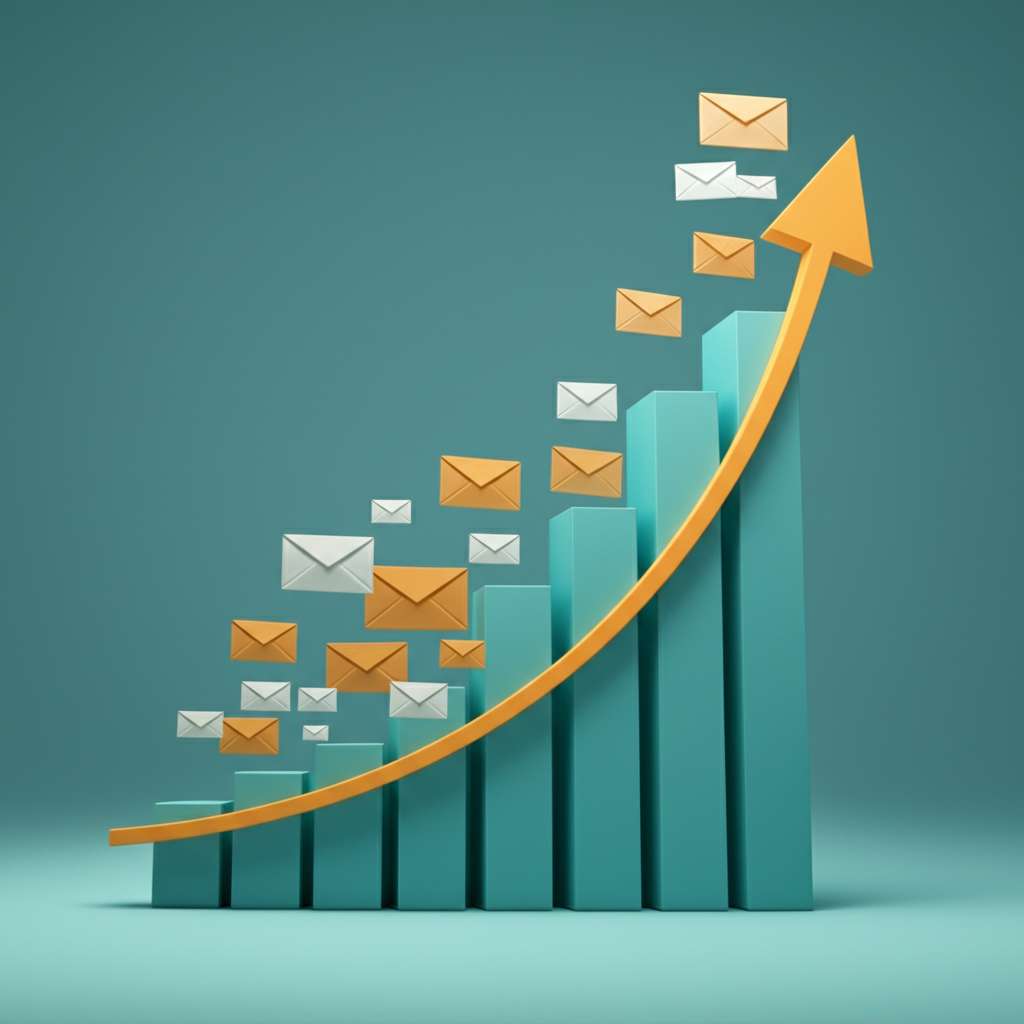
- It Builds Trust: Regular, helpful emails show you care about your audience.
- It Drives Sales: You can directly tell people about your offers.
- It’s Affordable: Compared to other marketing, it’s very budget-friendly.
- You Own Your List: Unlike social media, your email list is yours.
- It’s Personal: You can send messages tailored to what people like.
Step 1: Understand Who You’re Talking To
Before you send any emails, you need to know who you’re talking to. Who are your ideal customers? What do they like? What problems do they have that you can help solve?
Think about your friends. You talk to them differently, right? You do the same with your email list. The better you know them, the better your emails will be.
Create a Simple Customer Profile
Just jot down a few things about your perfect customer. Give them a name if it helps!
- Name: Sarah the Small Business Owner
- Age: 30-45
- Needs: Wants to grow her online store, needs more customers, short on time.
- Interests: Easy marketing tips, saving money, helpful tools.
Knowing this helps you write emails that speak directly to Sarah.
Step 2: Choose Your Email Marketing Tool (It’s Easier Than You Think!)
You need a way to send emails to lots of people without it feeling like a full-time job. These are called Email Service Providers (ESPs). They help you manage your list, create emails, and see how they perform.
Don’t get overwhelmed by choices! Here are a few popular ones that are great for beginners:
| Tool Name | Why It’s Great for Beginners | Good For |
|---|---|---|
| Mailchimp | Very popular, easy to use, free plan to start. | Small businesses, individuals, getting started. |
| MailerLite | Simple drag-and-drop editor, generous free plan. | Creative businesses, bloggers, SaaS startups. |
| ConvertKit | Focuses on creators and bloggers, good automation. | Authors, course creators, coaches. |
| Sendinblue (now Brevo) | Offers email, SMS, and chat in one place, good free tier. | Businesses wanting an all-in-one solution. |
Most of these have free plans to start. Pick one that looks friendly and sign up. You can always switch later if you need to!
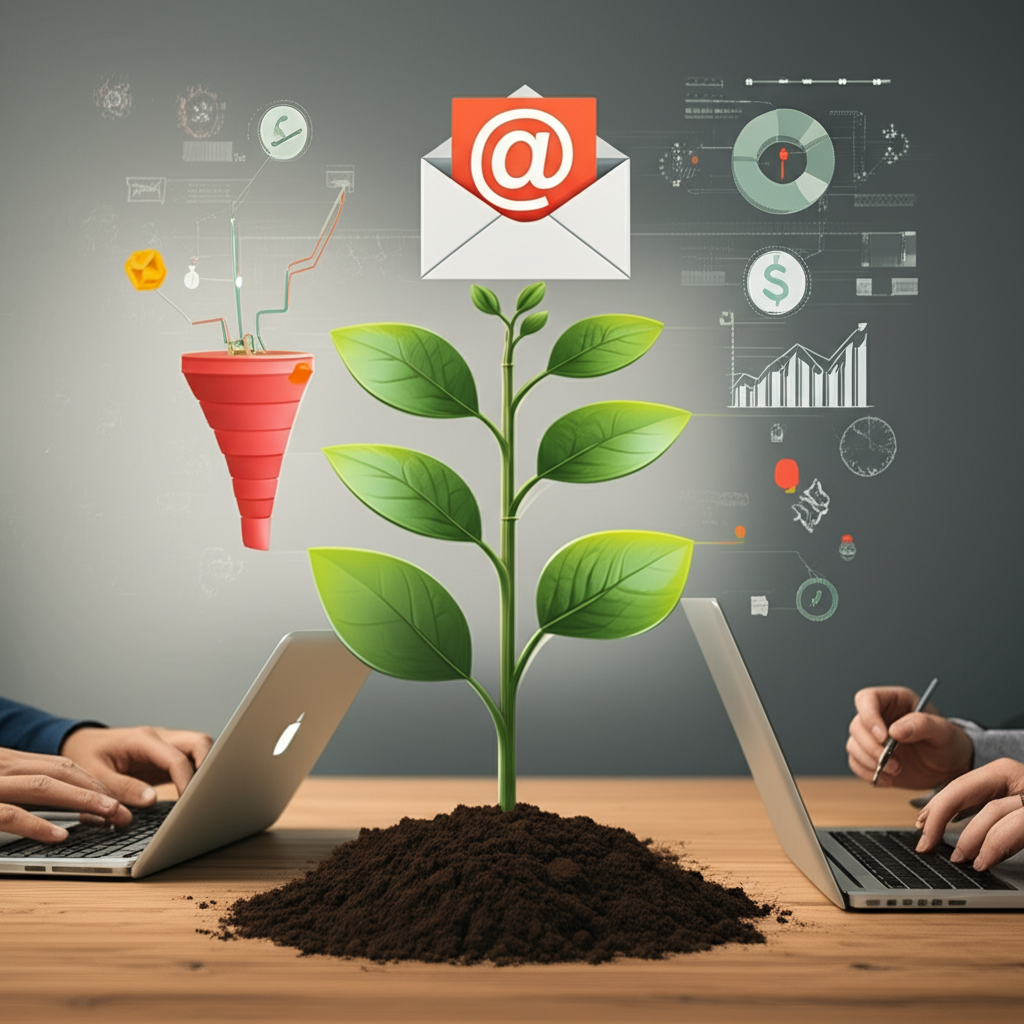
Step 3: Build Your Email List (The Right Way!)
Your email list is your goldmine! It’s the group of people who have given you permission to email them. Never buy email lists; it’s bad for your reputation and doesn’t work.
How do you get people to join?
- Offer a Freebie: This is called a “lead magnet.” It could be a checklist, a guide, a discount code, or a free sample.
- Make it Easy to Sign Up: Put a sign-up form on your website, blog, or social media.
- Tell People Why They Should Join: Explain what kind of emails they’ll get and why it’s valuable.
Quick Ideas for Freebies:
- A handy checklist
- A short e-book or guide
- A discount code for their first purchase
- A template they can use
- Access to a special video or webinar
Your email tool will help you create these sign-up forms.
Step 4: Write Emails That People Actually Want to Read
This is the fun part! Your emails should be helpful, interesting, and valuable. Think about what your audience wants to hear from you.
The Anatomy of a Great Email
Every good email has a few key parts:
- A Catchy Subject Line: This is the first thing people see. Make it exciting or intriguing!
- A Friendly Greeting: Use their name if you can! “Hi [Name],” feels much more personal.
- The Main Message: This is where you share your value. Tell a story, share a tip, announce a new product.
- A Clear Call to Action (CTA): What do you want them to do next? “Shop Now,” “Read More,” “Download Here.” Make it obvious!
- A Professional Sign-off: Your name and your business.
Subject Line Superpowers
Your subject line is like the cover of a book. It needs to grab attention!
- Be Clear: “New Summer Collection is Here!”
- Create Curiosity: “Did you forget something?”
- Offer Value: “Your Free Guide to Better Sleep”
- Use Emojis (Sparingly!): “☀️ Hot New Arrivals!”
- Keep it Short: Many people read emails on their phones.
Content Ideas That Spark Interest
Don’t just sell, sell, sell! Mix it up:
- Tips & Tricks: How to use your product better.
- Behind-the-Scenes: Show your process or team.
- Customer Spotlights: Feature happy customers.
- Industry News: Share relevant updates.
- Special Offers: Discounts, early access.
- Ask Questions: Get feedback from your audience.
Remember Sarah? You’d send her emails with tips on how to get more customers for her online store, or maybe announce a new app that helps small businesses save time. That’s value!
Step 5: Automate Your Emails for Maximum Growth
Automation is your best friend in email marketing. It means setting up emails to send automatically when certain things happen. This saves you tons of time and makes sure no one misses out.
Here are some common automations:
- Welcome Series: A few emails sent automatically when someone joins your list. They introduce you, share your story, and offer a welcome gift.
- Abandoned Cart Emails: If someone adds something to their cart on your online store but doesn’t buy, you can send a reminder email.
- Birthday/Anniversary Emails: Send a special discount or greeting on their special day.
- Nurture Sequences: A series of emails designed to build a relationship and guide leads towards a purchase.
A Simple Welcome Series Example
When someone signs up:
- Email 1 (Immediate): “Welcome! Here’s your freebie!”
- Email 2 (Day 2): “A little bit about us and why we do what we do.”
- Email 3 (Day 4): “Here’s a helpful tip related to what we offer.”
- Email 4 (Day 7): “Check out our most popular products/services!”
Most email tools make setting these up pretty straightforward.
Step 6: Track Your Results and Get Better
How do you know if your emails are working? You look at the numbers! Your email tool will show you things like:
- Open Rate: The percentage of people who opened your email.
- Click-Through Rate (CTR): The percentage of people who clicked a link in your email.
- Unsubscribe Rate: The percentage of people who unsubscribed.
- Bounce Rate: Emails that couldn’t be delivered.
Don’t worry if these numbers aren’t perfect at first. The goal is to improve over time.
What’s a “Good” Rate?
These are general guidelines, and they can vary a lot by industry. But here’s a simple idea:
| Metric | Good Starting Point | Why It Matters |
|---|---|---|
| Open Rate | 20% – 25% | Shows your subject lines are working and people are interested. |
| Click-Through Rate (CTR) | 2% – 5% | Shows your email content is engaging and your CTAs are clear. |
| Unsubscribe Rate | Less than 0.5% | Means you’re sending relevant content and not annoying people. |
If your open rates are low, try changing your subject lines. If your CTR is low, make your message clearer and your call to action bolder.
You can also use tools like Google Analytics to see if people coming from your emails are actually buying things or taking desired actions on your website.
Step 7: Keep Learning and Growing
Email marketing is a journey, not a destination. The more you learn, the better you’ll get.
- Read Other Emails: What do you like about emails you receive? What makes you click?
- Experiment: Try different subject lines, different content, different times of day to send.
- Ask for Feedback: Survey your subscribers to see what they want.
- Stay Updated: Email marketing best practices can change.
The key is to keep providing value. When you focus on helping your audience, your email marketing will naturally lead to growth.
Frequently Asked Questions (FAQs)
How can I start email marketing with no money?
Great question! Many email marketing tools like MailerLite and Brevo offer free plans. You can start building your list and sending emails without spending a dime. Just focus on creating a valuable freebie to attract subscribers!
How do I write subject lines people click?
Make them clear, interesting, or offer a benefit. Try asking a question, creating curiosity, or highlighting a special offer. Keep them short and to the point, especially for mobile users. Always test different subject lines to see what works best for your audience.
How often should I email my list?
There’s no one-size-fits-all answer. For many, once a week is a good starting point. The most important thing is consistency and providing value. If you have great content every day, you can email more. If you only have something valuable to share once a month, do that. Quality over quantity!
How do I know if my email is working?
Track your open rates, click-through rates, and conversion rates. Are people opening your emails? Are they clicking on your links? Are those clicks leading to sales or desired actions on your website? Your email marketing tool will give you these numbers.
How do I stop my emails from going to spam?
First, always get permission to email people. Never buy lists. Keep your content relevant and engaging so people actually want your emails. Use a reputable email service provider. Avoid using too many ALL CAPS words or excessive exclamation points in your subject lines and emails. Regularly clean your list of inactive subscribers.
What’s the best way to get people to open my emails?
A compelling subject line is your golden ticket! Also, make sure your “from” name is recognizable. Sending emails at times when your audience is most likely to be online can help too. And, of course, building trust over time means people will look forward to hearing from you.
How long should my emails be?
Shorter emails are often better, especially for mobile readers. Get straight to the point and make your main message clear. If you have a lot to share, consider breaking it up with headings, bullet points, or linking to a blog post for more details. The goal is to be easily scannable and digestible.
You’ve Got This! Let’s Grow!
See? Selling email marketing isn’t about being pushy. It’s about being helpful, building connections, and using a super effective tool to grow your business. You’ve learned how to understand your audience, pick the right tools, build your list the right way, craft engaging emails, and even automate some of the work.
Remember, every email you send is a chance to connect. Each person who opens, clicks, or replies is a sign that you’re doing something right. Don’t be afraid to experiment and learn as you go. You have the power to make email marketing work wonders for you.
Go out there, start sending those friendly emails, and watch your business grow. I’m cheering you on!