
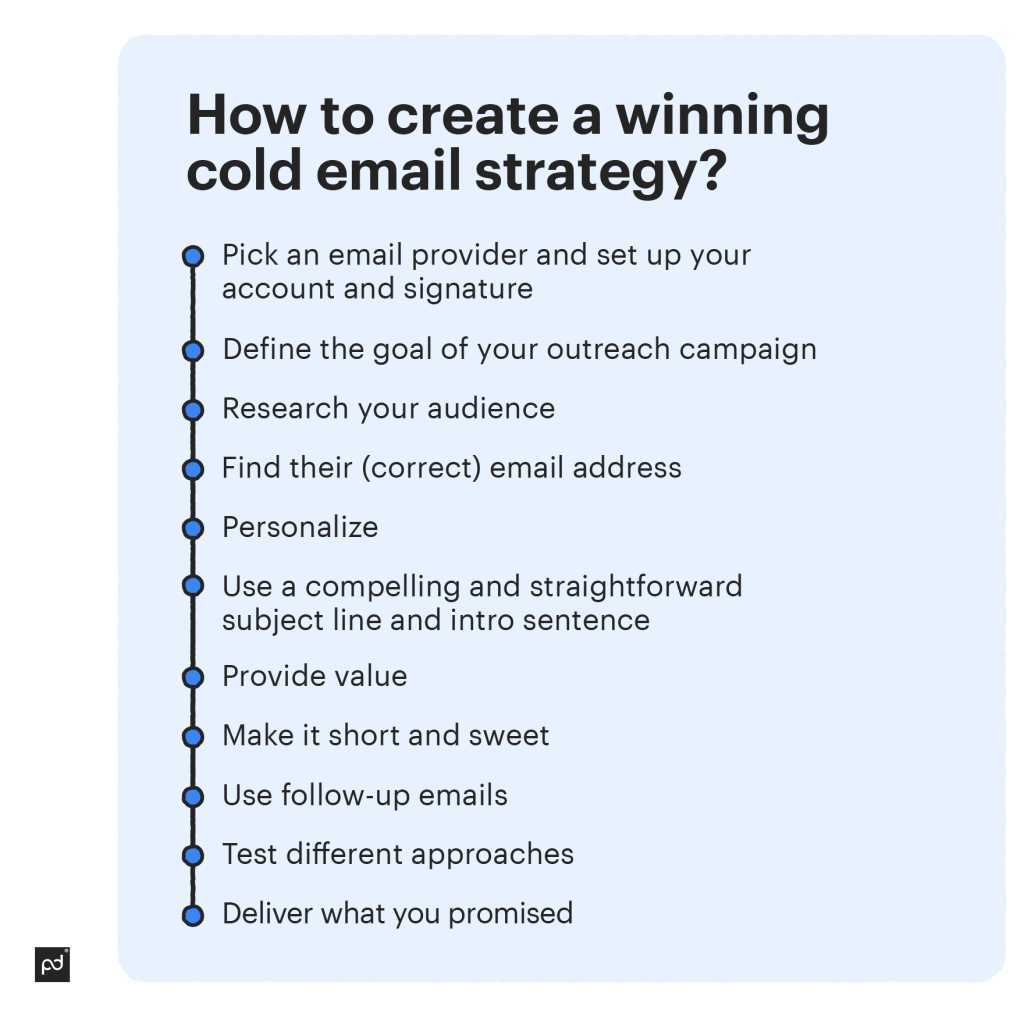
Looking to boost your business with cold email marketing but unsure where to start? The key lies in crafting personalized, compelling messages that grab attention and foster genuine connections. A well-executed cold email strategy can open doors to new clients and opportunities, even with minimal prior contact.
In a nutshell, effective cold email marketing for beginners focuses on personalization, clear value propositions, and respectful follow-ups. By understanding your audience, keeping your messages concise, and avoiding spammy tactics, you can build relationships that convert into real results.
Starting with cold email marketing might seem overwhelming at first, but it’s all about making authentic connections. You need to understand your target audience deeply, craft messages that speak directly to their needs, and always stay professional and respectful. With a few foundational strategies—like personalized outreach, compelling subject lines, and timely follow-ups—you’ll be on your way to generating leads and growing your network efficiently. This approach doesn’t require a huge budget or complex tools; just a little patience and a keen focus on building trust will set you up for success.

Cold email marketing strategies for beginners
Understanding the Basics of Cold Email Marketing
Cold email marketing involves sending unsolicited emails to potential clients or customers who haven’t interacted with your business before. Its main goal is to introduce your product or service and start a conversation. For beginners, it’s essential to focus on building genuine connections rather than sending mass, generic messages. Personalized emails tend to perform much better and can lead to higher response rates.
The Importance of Personalization
Personalization helps your email stand out in a crowded inbox. Use the recipient’s name and mention specific details about their business or interests. This shows that you’ve taken the time to research and understand their needs. Personalized content increases the likelihood of engagement and helps establish trust.
Setting Clear Goals for Cold Email Campaigns
Before sending out emails, define what you want to achieve. Goals can include scheduling meetings, increasing brand awareness, or acquiring new customers. Clear objectives help you craft focused messages and measure your success effectively. Knowing your goals guides the entire process and keeps your efforts aligned.
Building a High-Quality Email List
A successful cold email campaign starts with a quality list of prospects. Collect contacts that fit your target audience and are genuinely interested in your offerings. Avoid purchasing email lists, as they often contain outdated or irrelevant contacts that can harm your reputation.
Sources for Finding Prospects
Use platforms like LinkedIn, industry directories, and website comment sections to find potential leads. Attend virtual or physical industry events to gather contact information. You can also utilize tools like prospecting software to identify key decision-makers within companies.
Segmenting Your Email List
Divide your prospects into smaller groups based on factors like industry, company size, or job titles. Segmentation allows you to customize messages for each group, making your emails more relevant. Well-segmented lists improve open and response rates significantly.
Crafting Effective Cold Emails
The content of your email plays a crucial role in capturing attention and encouraging replies. Use a friendly and professional tone, and keep your message concise. Focus on delivering value early and clearly.
Writing Engaging Subject Lines
Your subject line determines whether your email gets opened. Make it intriguing, personalized, and relevant to the recipient. Use questions, curiosity, or benefits to spark interest. Keep it under 50 characters for better visibility on mobile devices.
Structuring the Email Body
Start with a personalized greeting that includes their name. Follow with a brief introduction of who you are and why you’re reaching out. Clearly state the benefit or value you offer, and include a simple call-to-action such as scheduling a call or replying to the email.
Example of a Cold Email Structure
- Personalized greeting
- Introduction and purpose
- Personalized remark or compliment
- Value proposition or offer
- Clear call-to-action
This structure ensures clarity and keeps your message focused on the recipient’s interests.
Designing Emails for Higher Engagement
Visual appeal and readability can improve your email’s effectiveness. Use short paragraphs, bullet points, and clear subheadings to break up the text. Including a professional signature with your contact details adds credibility.
Using Call-to-Action Effectively
Your call-to-action (CTA) should be simple and direct. Whether it’s booking a meeting, accessing a resource, or replying to the email, make it easy for the recipient to take the next step. Use action words like “Schedule,” “See,” or “Learn more.”
Testing Different Approaches
Try A/B testing subject lines, email content, and CTAs to understand what appeals most to your audience. Track open rates, click-through rates, and responses to identify winning strategies. Continuous testing helps refine your approach over time.
Timing and Frequency of Cold Emails
Timing can affect your email campaign’s success. Send emails during weekdays, preferably in the morning or early afternoon when people are more receptive. Avoid weekends or late evenings to maximize open rates.
Avoiding Spam Filters
Use clean, professional language and avoid spam-trigger words like “free,” “winner,” or “urgent.” Keep your email size reasonable and include relevant information. Personalization and proper formatting help emails land in the inbox rather than the spam folder.
Managing Responses and Follow-Ups
Always follow up if you don’t receive a response after a few days. Keep follow-ups polite, brief, and add new value or insights to encourage engagement. Use a sequence of 2-3 follow-up emails to stay on prospects’ minds without overwhelming them.
Tracking and Measuring Success
Monitor key metrics like open rates, click-through rates, and reply rates to evaluate your campaign. Use email tracking tools to gather data and identify areas for improvement. Consistently analyzing results helps you understand what works best.
Refining Your Strategy
Based on data insights, adjust your email content, timing, and segmentation. Experiment with new approaches and gradually optimize your campaigns. Small improvements over time lead to better results and higher conversion rates.
Tools and Resources for Cold Email Marketing
Leverage software like Mailchimp, Sendinblue, or Outreach for automation and analytics. Use templates to maintain consistency and save time. Additionally, subscription services like Hunter or Voila Norbert help find accurate email addresses.
Additional Tips for Successful Cold Email Campaigns
Always focus on providing value, be respectful of recipients’ time, and maintain professionalism. Avoid spamming or excessive emailing, which can damage your reputation. Patience and persistence are key to building meaningful connections through cold email outreach.
Follow Ethical Practices
Respect privacy laws like GDPR and CAN-SPAM. Always include an unsubscribe link and opt-out options. This transparency builds trust and keeps your campaign compliant.
Stay Patient and Consistent
Cold email marketing takes time to yield results. Keep refining your approach and stay consistent. Over time, you will see improvements in your response rates and overall campaign performance.
By understanding these strategies and applying them thoughtfully, beginners can build effective cold email campaigns that generate leads and foster professional relationships. Remember, success lies in personalization, value, and persistence.
The Best Cold Email Strategy in 2025
Frequently Asked Questions
What are some effective ways to craft a compelling cold email subject line?
To create a compelling subject line, focus on making it concise and relevant to the recipient’s needs. Use personalization by including their name or company details to catch their attention. Incorporate curiosity or a clear benefit that encourages them to open the email. Avoid spammy words and keep the tone professional yet engaging.
How can beginners improve their response rate in cold email campaigns?
Beginners can improve response rates by targeting the right audience and segmenting their contact list properly. Personalize each message to make it relevant to the recipient’s interests or challenges. Keep the email concise and clear about what you offer and how it benefits them. Following up politely after the initial email can also increase the chances of receiving a reply.
What are common mistakes to avoid when starting cold email marketing?
Avoid sending generic messages that lack personalization and relevance. Refrain from making your emails too lengthy or salesy early on. Don’t neglect to include a clear call-to-action or contact details. Additionally, respect email privacy laws and ensure you have permission to contact recipients to prevent your emails from being marked as spam.
Which tools can help beginners manage their cold email outreach effectively?
Tools like email outreach platforms and customer relationship management (CRM) software assist beginners in organizing campaigns, automating follow-ups, and tracking responses. Some popular options include Mailshake, Woodpecker, and HubSpot. These tools help maintain consistent communication and analyze campaign performance for continuous improvement.
How often should beginners send follow-up emails to potential clients?
Beginners should send follow-up emails approximately 3 to 5 days after the initial contact. Avoid sending too many follow-ups in a short period, as this may annoy recipients. Keep follow-ups polite, brief, and add value or new information to maintain their interest and encourage a response.
Final Thoughts
Cold email marketing strategies for beginners help you build meaningful connections quickly. Personalize each message to resonate with your recipient’s needs and interests. Keep your emails brief and clear to increase open and response rates. Focus on providing value and establishing trust from the start, making your outreach more effective.
Recommended Email Marketing


