
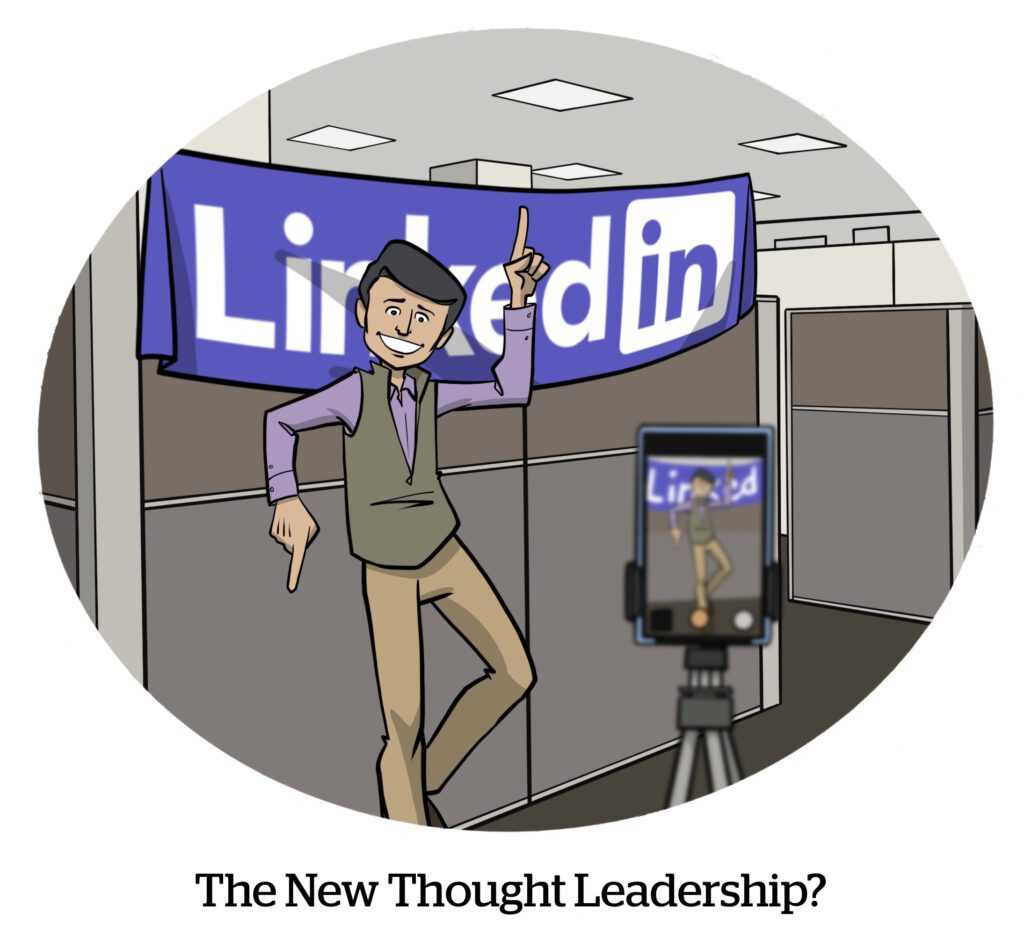
Looking to boost your B2B outreach on LinkedIn? The platform offers powerful advertising options that can help you reach decision-makers and industry professionals effectively. The key is crafting targeted campaigns using LinkedIn’s advanced tools, focusing on the right audience, and creating compelling content that resonates with business buyers. By leveraging LinkedIn’s precise targeting, sponsored content, and lead generation forms, you can generate high-quality leads and build meaningful relationships with potential clients. No matter your industry or business size, understanding how to properly advertise on LinkedIn can significantly elevate your brand presence and drive tangible results.
In short, to advertise on LinkedIn for B2B audiences, identify your target audience, use specific targeting options, and create engaging ads aligned with your business goals. Continuously monitor and optimize your campaigns to maximize ROI and ensure your message reaches the right professionals.
Effective B2B advertising on LinkedIn starts with understanding your audience and utilizing the platform’s robust tools to deliver tailored, impactful messages. Start by defining your ideal clients, then use LinkedIn’s targeting features to reach them precisely. Developing content that addresses their needs and pain points will increase engagement and conversions. Additionally, experimenting with different ad formats like sponsored content, message ads, and dynamic ads can help discover what resonates best. Regularly analyzing campaign performance and making data-driven adjustments will ensure your advertising efforts yield lasting results and meaningful connections.

How to advertise on LinkedIn for B2B audiences
Understanding the Power of LinkedIn for B2B Marketing
LinkedIn stands out as the top social media platform for business-to-business marketing. It has over 900 million members, many of whom are decision-makers in their companies. This makes it an ideal space to connect with potential clients and partners.
Businesses use LinkedIn to build brand awareness, generate leads, and establish industry authority. Its professional environment offers fewer distractions compared to other platforms, allowing targeted messaging. Knowing how to leverage this unique environment can make your advertising efforts more effective.
Setting Clear Objectives for Your Campaigns
Before creating your ads, define what you want to achieve. Common goals include generating leads, increasing brand awareness, or driving website traffic. Clear objectives help guide your ad creation and targeting choices.
Use SMART criteria to set goals that are Specific, Measurable, Achievable, Relevant, and Time-bound. For example, aiming to get 50 qualified leads within three months provides focus and clarity. Well-defined goals also make it easier to measure your campaign’s success.
Defining Your Ideal B2B Audience on LinkedIn
LinkedIn offers advanced targeting options to reach your ideal audience. You can target based on job titles, industries, company size, location, and even seniority level. This helps to ensure your ads reach the decision-makers who matter most.
Create detailed buyer personas to understand your target companies and roles. Consider factors such as the problems they face and how your product or service can help. The more specific your targeting, the higher your campaign’s relevance and effectiveness.
Choosing the Right Ad Formats for B2B Campaigns
LinkedIn provides several ad formats suited for B2B marketing. These include Sponsored Content, Text Ads, Sponsored InMail, and Dynamic Ads. Each format offers unique advantages depending on your goals.
Sponsored Content appears naturally in users’ feeds and is excellent for brand storytelling. Text Ads are simple and cost-effective for quick messaging. Sponsored InMail allows direct personal messages to prospects, ideal for personalized outreach. Consider your objectives and audience when selecting formats.
Crafting Compelling Ad Copy and Creative
Effective B2B ads focus on clear messaging that highlights benefits rather than features. Use concise language to communicate how your offering solves specific problems.
Include strong calls-to-action (CTAs), such as “Download our guide,” “Request a demo,” or “Get a free consultation.” Pair your copy with professional, eye-catching visuals that resonate with your target audience. Testing different messages and creative elements can help optimize results.
Setting a Budget and Bid Strategy
LinkedIn ads operate on a bidding system, with options like Cost Per Click (CPC) and Cost Per Impression (CPM). Decide which aligns best with your goals—CPC is often preferred for lead generation.
Start with a modest budget to test your campaigns. Monitor performance and increase spending on top-performing ads. Use LinkedIn’s bid suggestions or manual bidding to control costs effectively.
Implementing Campaign Tracking and Analytics
Track your campaign’s progress using LinkedIn Campaign Manager, which provides detailed insights. Key metrics include click-through rate (CTR), conversion rate, cost per lead, and engagement.
Regularly review these metrics to identify what’s working and what needs adjustment. A/B testing different ad elements helps refine your campaigns and maximize ROI.
Optimizing Campaigns for Better Results
Continuous optimization involves tweaking targeting, creatives, and bids based on performance data. Adjust your audience segments to focus on the most responsive groups.
Test new headlines, images, and CTAs to improve engagement. Use LinkedIn’s audience insights to learn more about who interacts with your ads. Small changes can lead to significant improvements over time.
Leveraging Advanced Targeting and Retargeting Strategies
Beyond basic targeting, advanced options like retargeting can re-engage visitors who interacted with your website or previous ads. This keeps your brand top-of-mind for potential clients.
Create custom audiences based on website visitors, email lists, or engagement with your LinkedIn page. Retargeting helps nurture leads through the sales funnel and increases conversion chances.
Utilizing LinkedIn Lead Gen Forms
Lead Gen Forms simplify lead capture by auto-filling user information when they click on your ad. This reduces friction and improves conversion rates.
Integrate forms with your CRM or marketing automation tools to streamline follow-up. Offering valuable content, such as whitepapers or free consultations, encourages users to complete the forms.
Measuring Success and Calculating ROI
Assess your campaign’s success by comparing your costs to the results achieved. Metrics like cost per lead and conversion rate provide insights into effectiveness.
Determine your ROI by calculating the revenue generated from LinkedIn leads against your advertising spend. This helps justify your marketing budget and guides future strategy.
Staying Updated with LinkedIn Advertising Trends
LinkedIn regularly updates its ad tools and features. Staying informed about new options can give you a competitive edge.
Follow industry blogs, LinkedIn’s own updates, and participate in webinars. Testing new features early allows your campaigns to benefit from the latest innovations.
Integrating LinkedIn Ads with Your Overall B2B Marketing Strategy
LinkedIn advertising works best when aligned with your broader marketing efforts. Combine it with content marketing, email campaigns, and sales outreach for maximum impact.
Create consistent messaging across channels to reinforce your brand. Use LinkedIn insights to inform your content topics and to connect with your audience effectively.
Final Tips for Successful B2B LinkedIn Advertising
Focus on delivering value rather than just promoting products. Build relationships by providing insightful content that addresses your audience’s pain points.
Test, analyze, and refine your campaigns regularly. Patience and persistence are key to building a strong B2B presence on LinkedIn and generating quality leads.
Incorporating these strategies and continually optimizing your approach can significantly improve your B2B advertising results on LinkedIn. Every campaign offers learning opportunities that help you grow your business network and increase your revenue.
B2B LinkedIn Content Marketing – How To Get B2B Clients From LinkedIn
Frequently Asked Questions
What are the key elements to consider when creating a B2B ad campaign on LinkedIn?
To create an effective B2B ad campaign on LinkedIn, focus on precise targeting, compelling messaging, and clear calls to action. Ensure your audience segmentation aligns with your ideal business clients, craft messaging that speaks directly to their needs and pain points, and include a strong call to action that encourages engagement or lead generation. Additionally, choose the appropriate ad format and set your budget based on your campaign goals.
How can I optimize my LinkedIn ads to reach the right decision-makers within companies?
Use LinkedIn’s advanced targeting options to narrow down your audience based on job titles, industries, company size, and seniority levels. Incorporate keywords related to decision-making roles and tailor your ad content to highlight benefits relevant to these roles. Regularly review performance metrics and refine your targeting criteria to better reach the individuals who influence purchasing decisions within organizations.
What type of content works best for B2B advertising on LinkedIn?
Content that offers insights, solutions, and industry expertise tends to resonate well with B2B audiences. Use a mix of case studies, whitepapers, webinars, and informative articles. Visuals such as infographics and videos can increase engagement. Ensure your content emphasizes value, demonstrates thought leadership, and addresses common challenges faced by your target businesses.
How should I measure the success of my B2B advertising efforts on LinkedIn?
Track key metrics like click-through rates, conversion rates, lead quality, and engagement levels to assess your campaign’s effectiveness. Set specific goals before launching, such as the number of leads generated or website visits, and analyze the results against these objectives. Use LinkedIn’s reporting tools to gain insights into audience interactions and optimize future campaigns accordingly.
What strategies can I use to improve my B2B ad performance over time?
Continuously test different ad formats, visuals, headlines, and calls to action to see what resonates best with your audience. Keep refining your targeting parameters based on performance data and feedback. Incorporate lead nurturing tactics post-click, like email follow-ups or retargeting, to move prospects through the sales funnel. Regularly review your campaign metrics to identify areas for adjustment and growth opportunities.
Final Thoughts
How to advertise on LinkedIn for B2B audiences involves targeting the right audience with tailored content and leveraging LinkedIn’s advanced ad tools. Focus on creating engaging ads that highlight your value proposition clearly. Track your campaigns and optimize based on performance metrics to improve results. Effective advertising on LinkedIn requires strategic planning and continuous adjustment to reach the right decision-makers.