

Become an email marketing expert by mastering foundational strategies, segmenting your audience, crafting compelling content, and analyzing your results. It’s a skill built through consistent learning, testing, and focusing on genuine connection with your subscribers.
Hey there! If you’re diving into the world of email marketing, you might feel a little overwhelmed. It seems like there are a million things to know, from crafting the perfect subject line to understanding complex analytics. Don’t worry, though! It’s completely normal to feel that way when you’re starting out.
The good news is that becoming an email marketing expert isn’t about having all the answers right away. It’s a journey, and I’m here to walk you through it step-by-step. We’ll break down everything into simple, actionable steps that make sense, even if you’re just getting started.
By the end of this guide, you’ll have a clear roadmap to mastering email marketing, feeling confident and ready to turn your subscribers into a thriving community. Let’s get started on building your email marketing superpowers!
Why Email Marketing is Your Growth Superpower
In today’s digital landscape, where social media algorithms can change on a dime, email marketing stands out as a stable and powerful channel. It gives you direct access to your audience, bypassing the noise and distractions of other platforms.
Think of your email list as your most valuable asset. It’s a group of people who have explicitly shown interest in what you offer. Nurturing this list with valuable content and offers can lead to deeper relationships and, ultimately, more conversions.
Mastering email marketing means building a reliable engine for consistent growth. It’s about creating meaningful connections that drive action, turning passive readers into loyal customers and advocates for your brand.
Step 1: Build Your Foundation – Choose the Right Tools and Platform
Before you send a single email, you need a reliable email marketing platform. These tools are designed to help you manage your list, create professional-looking emails, automate campaigns, and track your results. Think of them as your digital assistant for all things email.
Choosing the right platform depends on your needs and budget. For beginners, many platforms offer free plans or affordable starter packages that are incredibly powerful. You’ll want a platform that’s user-friendly, offers good support, and has the features you need as you grow.
Here are some popular options to consider:
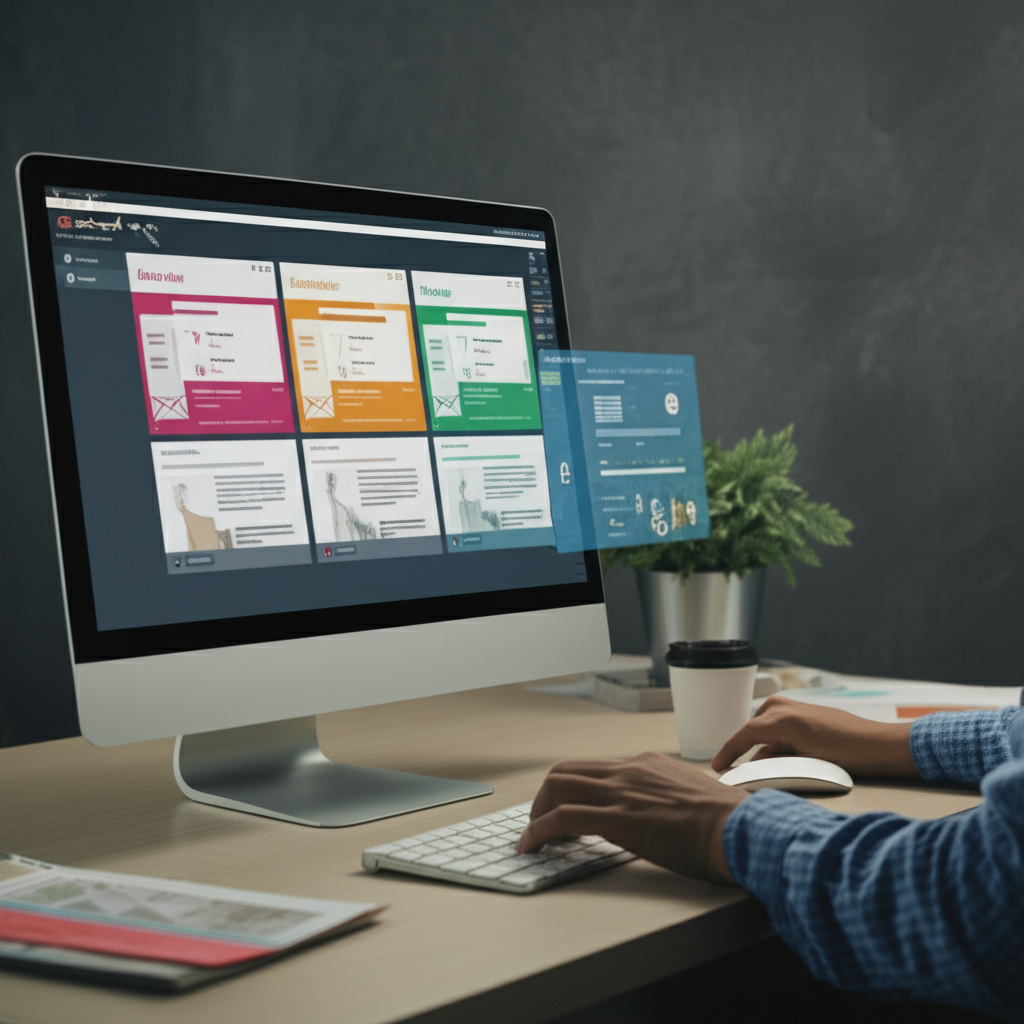
- Mailchimp: A very popular choice for small businesses and beginners. It’s known for its user-friendly interface and robust features, including automation and landing pages.
- ConvertKit: Ideal for creators like bloggers, artists, and coaches. It excels at audience segmentation and visual automation workflows.
- ActiveCampaign: A more advanced option that offers powerful automation, CRM capabilities, and sophisticated segmentation for businesses looking for deep customization.
- Constant Contact: Another beginner-friendly option with excellent customer support and a focus on helping small businesses grow through email.
- MailerLite: Offers a clean interface, good automation features, and a generous free plan, making it a great starting point for many.
When making your choice, consider:
- Ease of use: Can you navigate it without feeling lost?
- Pricing: Does it fit your current budget and scale with your growth?
- Features: Does it offer the automation, segmentation, and reporting you need?
- Integrations: Does it connect with other tools you use (like your website or CRM)?
Step 2: Grow Your Email List Ethically and Effectively
Your email list is only valuable if it’s full of engaged subscribers. The key is to attract people who are genuinely interested in what you have to say or offer. This means offering something valuable in exchange for their email address.
This valuable offer is commonly known as a “lead magnet.” It could be anything that your target audience finds irresistible, such as:
- A free e-book or guide
- A checklist or template
- A discount code or free shipping
- Access to exclusive content or a webinar
- A free trial of your service
Place clear sign-up forms on your website, social media profiles, and anywhere else your audience hangs out. Make it easy for them to subscribe and tell them exactly what they’ll receive by joining your list.
Remember, quality always trumps quantity. A smaller list of highly engaged subscribers is far more valuable than a massive list of uninterested ones. Never buy email lists; it’s ineffective and can harm your sender reputation.
Step 3: Segment Your Audience for Personalized Communication
One of the most powerful strategies for email marketing success is segmentation. Instead of sending the same generic email to everyone on your list, you divide your subscribers into smaller groups based on shared characteristics or behaviors.
Why is this so important? Personalization drives engagement. When people receive emails that are relevant to their interests or needs, they are much more likely to open, click, and convert.
Here are some common ways to segment your audience:
- Demographics: Age, location, gender, job title.
- Interests: What topics or products have they shown interest in?
- Purchase History: What have they bought from you before?
- Engagement Level: Are they frequent openers and clickers, or are they less active?
- Signup Source: How did they join your list? (e.g., through a specific lead magnet)
Your email marketing platform will have tools to help you tag subscribers and create these segments. The more you segment, the more targeted and effective your campaigns will become.
Step 4: Craft Compelling Emails That Get Opened and Read
Now for the creative part: writing your emails! This is where you connect with your subscribers. Your goal is to create emails that are not only opened but also read and acted upon.
The Subject Line: Your First Impression
Your subject line is arguably the most critical element of your email. It’s the gatekeeper. If it doesn’t grab attention, your email won’t even be opened.
Tips for writing killer subject lines:
- Be clear and concise: Subscribers should know what the email is about instantly.
- Create curiosity: Pose a question or hint at something valuable inside.
- Personalize: Use the subscriber’s name or reference their interests.
- Create urgency (when appropriate): “Last chance to save!”
- Use emojis sparingly: They can help you stand out, but don’t overdo it.
- Avoid spam triggers: Words like “free,” “discount,” and excessive capitalization can land you in the spam folder.
Experiment with different approaches to see what resonates best with your audience.
The Email Body: Value and Clarity
Once your email is opened, the content needs to deliver on the promise of the subject line. Keep your paragraphs short and to the point. Use clear, conversational language that your audience understands.
Structure your emails for readability:
- A clear greeting: “Hi [Name],”
- A compelling opening: Hook them in the first sentence.
- The main message: Deliver value, tell a story, or present an offer.
- A strong Call to Action (CTA): Tell them exactly what you want them to do next.
- A professional closing: Your name and company.
Use bullet points, bold text, and white space to break up the content and make it easy to scan. Your CTA should be prominent and unambiguous, guiding the reader towards the desired action.
Visuals and Design
While content is king, visuals can significantly enhance your email. Use high-quality images or graphics that are relevant to your message and brand. Ensure your emails are mobile-responsive, as a majority of people check emails on their phones.
Keep your design clean and on-brand. Avoid cluttered layouts that can distract from your message.
Step 5: Automate Your Campaigns for Efficiency and Consistency
Automation is where email marketing truly shines. It allows you to send timely, relevant messages to your subscribers automatically, based on their actions or specific triggers. This saves you time and ensures that no lead or customer falls through the cracks.
Common automated email sequences (often called “workflows” or “journeys”) include:
- Welcome Series: Sent to new subscribers to introduce your brand, set expectations, and guide them towards initial engagement.
- Abandoned Cart Emails: For e-commerce, these remind customers about items they left in their cart, often with a gentle nudge or discount.
- Re-engagement Campaigns: Targeted at inactive subscribers to try and win them back.
- Post-Purchase Follow-ups: Thanking customers, providing support, or suggesting related products.
- Birthday/Anniversary Emails: Personalized greetings with a special offer.
Setting up these automations might seem daunting at first, but most email marketing platforms offer visual builders that make it straightforward. Start with a simple welcome series and build from there.
Here’s a simplified example of an abandoned cart automation:
| Trigger | Delay | Email Content | Action |
|---|---|---|---|
| Customer adds item to cart but does not purchase | 1 hour | “Did you forget something?” – Reminder of items in cart. | If purchased, end automation. |
| (No purchase after 1st email) | 24 hours | “Still thinking about it?” – Offer a small discount or free shipping. | If purchased, end automation. |
| (No purchase after 2nd email) | 3 days | “Last chance for your items!” – Final reminder, maybe a slightly larger incentive. | End automation. |
By setting up these automated flows, you create a consistent and personalized experience for your subscribers without having to manually send each email.
Step 6: Analyze Your Results and Optimize
To become an expert, you must understand what’s working and what’s not. This is where analytics come in. Your email marketing platform provides valuable data that helps you refine your strategies.
Key metrics to track:
- Open Rate: The percentage of subscribers who opened your email.
- Click-Through Rate (CTR): The percentage of subscribers who clicked on a link within your email.
- Conversion Rate: The percentage of subscribers who completed a desired action (e.g., made a purchase, downloaded a resource) after clicking.
- Bounce Rate: The percentage of emails that couldn’t be delivered.
- Unsubscribe Rate: The percentage of subscribers who opted out.
Don’t get bogged down by every single number. Focus on the metrics that align with your goals. For instance, if your goal is sales, conversion rate is crucial. If it’s engagement, open and click rates are key.
Here are some general benchmarks, but remember these can vary by industry:
| Metric | Typical Benchmark | What it Means |
|---|---|---|
| Open Rate | 15% – 25% | Indicates how well your subject line and sender name resonate. |
| Click-Through Rate (CTR) | 2% – 5% | Measures how engaging your email content and CTAs are. |
| Conversion Rate | 1% – 3% (highly variable) | Shows how effectively your email drives desired actions. |
| Unsubscribe Rate | < 0.5% | A low rate suggests your content is relevant and valuable. |
Use this data to make informed decisions. If your open rates are low, experiment with new subject lines. If your CTR is poor, rethink your CTA and content. A/B testing is your best friend here – test different subject lines, CTAs, or even sending times to see what performs best.
For deeper insights into website behavior that can inform your email strategy, exploring tools like Google Analytics can be incredibly beneficial. Understanding user journeys on your site can help you create more relevant email campaigns. You can learn more at the Google Analytics Academy.
Step 7: Stay Updated and Keep Learning
The world of digital marketing is always evolving. New trends, technologies, and best practices emerge regularly. To remain an expert, you need to commit to continuous learning.
Here’s how to stay ahead:
- Read industry blogs: Follow reputable sources like HubSpot, Campaign Monitor, or Litmus.
- Listen to podcasts: There are many great marketing podcasts that offer actionable advice.
- Take courses: Many platforms offer free or paid courses on email marketing.
- Attend webinars: Learn from experts and ask questions.
- Follow influencers: Engage with thought leaders on social media.
- Experiment: The best way to learn is by doing. Don’t be afraid to try new things.
By staying curious and actively seeking out new knowledge, you’ll continue to hone your skills and adapt to the ever-changing digital landscape.
Frequently Asked Questions About Becoming an Email Marketing Expert
Here are some common questions beginners have:
How can I start with email marketing on a budget?
Many email marketing platforms offer free plans for small lists. MailerLite and Mailchimp are great starting points. Focus on creating a valuable lead magnet to build your list organically, and use the free features to their full potential.
How do I write engaging subject lines?
Be clear, concise, and create curiosity. Personalize when possible, use emojis sparingly, and avoid spammy words. Always ask yourself: “Would I open this email?”
How often should I email my subscribers?
There’s no single magic number, as it depends on your audience and content. Consistency is key. Start with once a week or bi-weekly, and pay attention to your engagement metrics. If unsubscribes spike, you might be emailing too much.
How can I measure success without overcomplicating analytics?
Focus on 2-3 key metrics that matter most for your goals. For example, if you want sales, track conversion rate. If you want engagement, track open and click-through rates. Your email platform’s dashboard will highlight these.
How do I improve my open rates and avoid spam filters?
To improve open rates, focus on compelling subject lines and sending relevant content. To avoid spam filters, maintain a clean list (remove inactive subscribers), get explicit consent, use a reputable sender name, and avoid spammy language or excessive capitalization.
What’s the difference between a broadcast and an automated email?
A broadcast email is a one-off message you send to your entire list or a segment of it manually. An automated email is sent automatically based on a pre-set trigger or schedule, like a welcome email or a birthday message.
Is it better to use a dedicated email marketing service or my regular inbox?
Always use a dedicated email marketing service (like Mailchimp, ConvertKit, etc.). They are built for bulk sending, offer professional templates, handle unsubscribes correctly, provide analytics, and help protect your sender reputation, which your regular inbox cannot do.
Conclusion: Your Journey to Email Marketing Mastery Starts Now!
So, there you have it! Becoming an email marketing expert is absolutely within your reach. It’s a skill that’s built through understanding your audience, delivering consistent value, and making smart use of the tools available.
Remember, every great email marketer started exactly where you are right now. The key is to take it one step at a time, experiment, learn from your results, and most importantly, keep showing up for your subscribers with helpful and engaging content.
Don’t be afraid to try new things, test your ideas, and celebrate the small wins along the way. You’ve got this! Now, go forth and craft some amazing emails. Your audience is waiting!