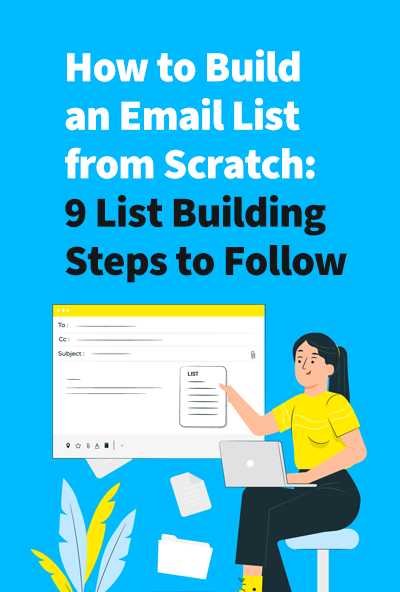
To build an email list from scratch, start by offering something valuable like a free resource or exclusive content in exchange for contact details. Promote this offer across your website and social media channels to attract interested visitors. Consistently engage your subscribers with relevant content to grow and maintain an active list.
In short, creating an email list involves creating attractive opt-in incentives, promoting them effectively, and nurturing your subscribers with valuable content. This approach helps you connect directly with your audience, foster trust, and boost your business or project’s growth.
Growing an email list might seem daunting at first, but with a clear strategy, it becomes manageable and rewarding. Whether you’re a small business owner, blogger, or entrepreneur, building an email list from scratch is one of the most powerful ways to develop your audience and drive long-term success. Start by understanding your target audience, offering them something they can’t resist, and being consistent in your outreach. With patience and persistence, you’ll see your list grow steadily, opening doors to new opportunities and deeper engagement.

How to Build an Email List from Scratch
Starting an email list might seem challenging at first, but it is a vital step for growing your business or personal brand. Building an email list helps you connect directly with your audience and keeps them engaged with your content or products.
In this guide, you will learn simple yet effective strategies to gather email addresses efficiently. You will also discover how to turn visitors into loyal subscribers who eagerly await your updates.
Why an Email List Matters
Unlike social media platforms, an email list gives you ownership of your audience. You can communicate directly with your subscribers without worrying about algorithms.
Having an email list also boosts your credibility. It allows you to build relationships, promote your products, or share important news in a more personalized way.
Setting Clear Goals for Your Email List
Before you begin collecting emails, define what you want to achieve. Do you want to generate sales, share updates, or grow your community? Setting specific goals helps you craft the right strategies.
For example, if your goal is to sell products, your emails should focus on promotions and offers. If you aim to build community, share stories and helpful tips to keep your subscribers engaged.
Choosing the Right Email Marketing Tool
Selecting a good email marketing platform is important for managing your list effectively. Look for easy-to-use features, reliable delivery rates, and automation options.
Popular tools include Mailchimp, ConvertKit, and AWeber. Many platforms offer free plans that are suitable when starting out with a smaller subscriber base.
Creating an Attractive Signup Form
Your signup form is the first step to capturing emails. Make it simple, appealing, and easy to find on your website or social media.
Include clear calls-to-action that tell visitors what they will get. For example, “Subscribe to get weekly tips” or “Join our newsletter for exclusive offers.”
Place Signup Forms in Strategic Locations
Place your forms where visitors are most likely to see them. Common locations include your website’s header, footer, sidebar, or as a pop-up.
On social media, use link in bio sections or add swipe-up links in stories to direct people to your signup page.
Offering Incentives to Encourage Signups
People are more likely to subscribe if they get something valuable in return. Offer free resources like ebooks, checklists, templates, or discount codes.
Make sure your incentives are relevant to your audience’s interests and needs to increase signup conversions.
Creating a Lead Magnet That Works
A lead magnet is a valuable freebie that encourages visitors to share their email addresses. It should solve a problem or provide useful information.
Examples include free guides, video tutorials, or access to exclusive content. Use clear and compelling language to promote your lead magnet.
Using Landing Pages to Maximize Signups
Dedicated landing pages focused solely on capturing emails often convert better. Keep the page simple with a clear message and a strong call-to-action.
Use persuasive headlines and testimonials to build trust and motivate visitors to sign up.
Driving Traffic to Your Signup Forms
To grow your list, increase traffic to your signup forms. Share your links on social media, blogs, or partnerships with other websites.
Use SEO techniques to improve your website’s visibility, so more people find your signup opportunity when searching for related topics.
Building Trust and Credibility
Trust is essential for convincing visitors to share their email addresses. Be transparent about how you will use their information.
Add privacy policies and reassure subscribers that their data is safe. Consistently deliver value and keep your promises.
Nurturing Your Email Subscribers
Once you start collecting emails, engage your subscribers with regular, helpful content. Welcome new subscribers with an introduction email.
Segment your list based on interests or behaviors to send targeted messages that resonate with each group.
Implementing Effective Email Campaigns
Create a content calendar to plan your emails. Use a mix of informative, promotional, and personal messages to keep your audience interested.
Always include a clear call-to-action, whether it’s visiting your website, making a purchase, or sharing your content.
Monitoring and Improving Your List Growth
Track key metrics like open rates, click-throughs, and conversion rates to understand what works best. Use this data to refine your strategies.
Experiment with different incentives, headlines, and timing to see what increases signups and engagement.
Staying Compliant with Email Regulations
Make sure you follow laws such as the CAN-SPAM Act and GDPR. Always get explicit permission before adding someone to your list.
Include easy options to unsubscribe and respect subscriber privacy at all times.
Expanding Your Reach Through Collaborations
Partner with other businesses or influencers to reach a broader audience. Cross-promote signup forms to tap into new networks.
Joint giveaways or webinars can also be great ways to attract new subscribers quickly.
Promote your signup offers on all your social media channels. Use eye-catching graphics and persuasive captions to attract attention.
Consider running social media contests that encourage followers to sign up for your email list.
Hosting Webinars or Live Events
Live events are excellent opportunities to gather email addresses. Require registration and promote the benefits of attending.
Follow up after the event to nurture these new leads and convert them into loyal subscribers.
Tracking Your Progress and Adjusting Strategies
Consistently review your results to see what strategies yield the most signups. Adjust your tactics based on performance data.
This ongoing process ensures your list continues to grow efficiently and effectively over time.
Building an email list from scratch takes effort and patience, but it’s an investment that pays off by creating a direct line to your audience. Keep providing value, stay transparent, and engage consistently to turn your visitors into loyal subscribers who support your goals.
How To Build An Email List From Scratch
Frequently Asked Questions
What strategies can I use to encourage visitors to subscribe to my email list?
Offer valuable incentives such as exclusive discounts, free resources, or helpful content to motivate visitors to subscribe. Place sign-up forms prominently on your website, including pop-ups, sidebar widgets, and at the end of blog posts. Clearly communicate the benefits of subscribing to make visitors more inclined to join your list.
How can I ensure my email list remains engaged over time?
Send regular, relevant, and personalized content to your subscribers to keep them interested. Segment your list based on interests or behavior to provide targeted messages. Additionally, ask for feedback and encourage interaction to build a stronger relationship with your audience.
What tools or platforms are effective for building and managing an email list?
Use reputable email marketing platforms like MailChimp, ConvertKit, or ActiveCampaign. These platforms offer easy-to-use sign-up forms, automation features, and analytics tools that help you grow and manage your list efficiently. Choose a platform that fits your needs and budget while providing reliable deliverability.
How can I optimize my website to increase email sign-ups?
Design your website with clear call-to-action buttons and attractive sign-up forms that stand out. Use compelling copy to encourage visitors to subscribe and ensure the process is simple and quick. Adding testimonials or proof of value can also increase trust and motivate visitors to join your list.
What precautions should I take to build an ethical and compliant email list?
Always obtain explicit consent before adding someone to your email list, and comply with regulations like GDPR or CAN-SPAM. Provide clear information about what subscribers will receive and how often. Respect privacy, avoid spammy tactics, and include an easy way for subscribers to opt out at any time.
Final Thoughts
In conclusion, how to build an email list from scratch requires consistent effort and strategic planning. Focus on creating valuable content that encourages sign-ups and use clear calls-to-action. Offer incentives like freebies or discounts to attract subscribers. By maintaining engagement and providing real value, you grow your list organically and effectively.