
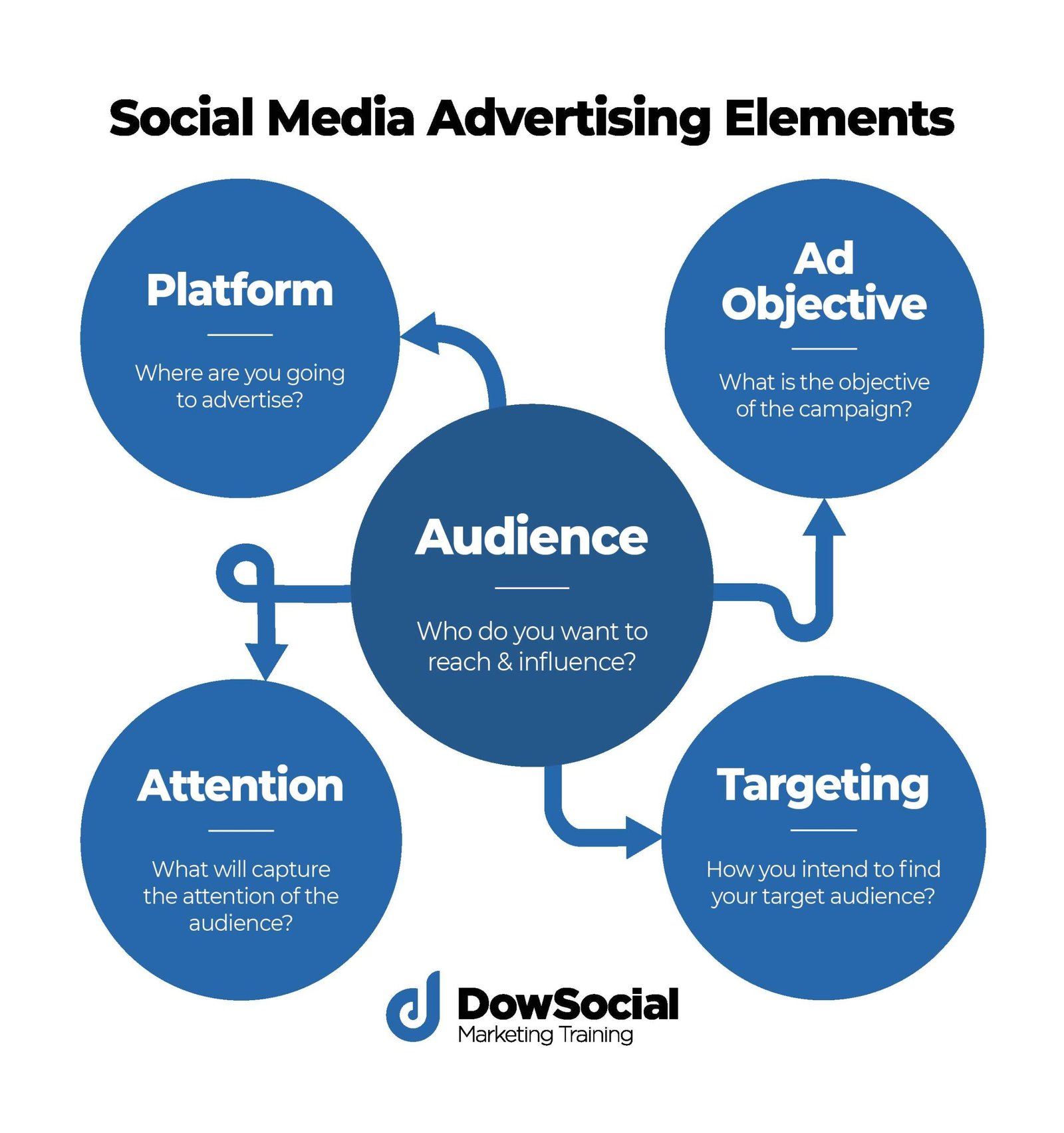
To effectively reach your ideal customers on social media, defining your target audience is essential. Start by understanding who your perfect customer is based on their interests, behaviors, demographics, and needs. Use this information to tailor your messaging and ad targeting, ensuring your campaigns resonate and deliver results. A well-defined audience makes your social advertising more efficient and impactful, saving you time and money.
Identifying your target audience involves analyzing your existing customers, researching market segments, and leveraging platform analytics. Once you know who they are, you can craft personalized content and select the right channels to engage them. This strategic approach helps you connect authentically and achieves better ROI for your advertising efforts.
Knowing your audience is the cornerstone of successful social advertising. If you understand who they are and what they want, you can craft campaigns that truly speak to their needs and interests, making every advertising dollar count.

Understanding Why Defining Your Audience Matters
Knowing who your audience is helps you create social ads that truly connect. When you understand your audience, your ads become more relevant and effective. Instead of wasting money on people who won’t be interested, you reach those who are most likely to convert.
Start With Your Existing Customers
Your current customers are a goldmine of information. Look at their demographics like age, gender, location, and interests. Ask yourself, what do they buy? What social media platforms do they use? This will give you clues about who else might like your products or services.
Use Data and Analytics Tools
Leverage tools like Facebook Insights or Instagram Analytics to gather data about your followers. These tools show age ranges, locations, active times, and more. Analyzing this information helps you understand which groups engage most with your content.
Define Demographics Clearly
Demographics are key to pinpointing your audience. Focus on details such as:
- Age groups
- Gender
- Location
- Income level
- Education background
These details help you target the right people with your ads.
Identify Psychographics and Interests
Psychographics relate to your audience’s lifestyle, values, and interests. Find out what hobbies they have, what problems they face, and what motivates their buying decisions. Use surveys or social media listening tools to get this information.
Creating Audience Personas
Build detailed profiles or personas representing your ideal customers. Include their demographics, interests, goals, and challenges. Personas make it easier to tailor your messaging and visuals.
Segment Your Audience
Divide your broad audience into smaller groups based on shared traits. For example, you could segment by:
- Age and gender
- Interest categories
- Buying behavior
- Geographical location
This helps you craft more personalized ads for each segment.
Set Clear Goals for Your Campaigns
Know what you want your social ads to achieve—more sales, brand awareness, or website visits. Different goals require targeting different audience segments. Clear goals help you determine who to reach and how to do it.
Research Your Competitors’ Audiences
Look at who your competitors are targeting with their ads. Analyze their social media followers and ad content. Tools like Facebook Ad Library make it easy to see competitors’ active campaigns and their audiences.
Test and Refine Your Audience Targets
Start with broad targeting but keep analyzing ad performance. Use A/B testing to compare different audience groups. Over time, refine your targeting based on what works best to improve results.
Use Lookalike Audiences for Expansion
Once you’ve identified your best customers, create lookalike audiences on social platforms. These audiences resemble your existing customers, making them more likely to be interested in your ads.
Consider Seasonal and Trend-Based Targeting
Adjust your audience based on seasons, holidays, or trending topics. For example, target outdoor enthusiasts during summer or fitness lovers at the start of the year. This makes your campaigns more timely and relevant.
Utilize Audience Exclusions
Sometimes, excluding certain groups can improve ad efficiency. For example, exclude current customers from acquisition campaigns or audiences unlikely to convert. This ensures your budget goes toward the most promising prospects.
Monitor and Adjust Your Audience Regularly
Audience behavior changes over time. Regularly review your ad data to see who is engaging and converting. Make adjustments to your targeting to stay aligned with your evolving goals.
Include Relevant Keywords and Phrases
In your ad copy and targeting settings, use keywords that match your audience’s interests and search behaviors. This enhances the chances your ads appear to the right people.
Consider Cross-Platform Strategies
Different social media platforms attract different audiences. Tailor your targeting strategies accordingly—for example, use more visual content on Instagram and more professional content on LinkedIn.
Leverage Customer Feedback and Surveys
Ask your customers directly about their interests and preferences. Use surveys or reviews to gather insights. Customer feedback can reveal unmet needs and new opportunities for targeting.
Utilize Advanced Targeting Options
Many social platforms offer options like retargeting and behavioral targeting. Retarget users who visited your website but didn’t buy. Behavioral targeting watches user actions for more tailored ad delivery.
Integrate Data From Multiple Sources
Combine data from your website, email campaigns, and social media analytics. A comprehensive view helps you understand your audience better and refine your advertising efforts.
Keep Your Audience Definitions Updated
Audience preferences shift over time, especially with rapid social media changes. Regularly update your personas and targeting criteria to stay relevant and effective.
Summary of Key Strategies for Defining Your Audience
| Strategy | Purpose | Outcome |
|---|---|---|
| Utilize Existing Customer Data | Identify current customer traits | Better targeting and audience insights |
| Leverage Analytics Tools | Gather demographic and behavioral data | More precise audience segmentation |
| Create Audience Personas | Personalize ad messaging | Increased engagement and conversions |
| Test and Refine | Improve targeting over time | Higher ROI for ad spend |
By understanding and applying these strategies, you can identify your social advertising target audience with precision. This not only maximizes your ad budget but also ensures your messages reach the right people at the right time.
How To Find Your Target Audience | Target Market Research
Frequently Asked Questions
Utilizing both internal and external data sources can help you pinpoint your target audience effectively. Internal data includes customer purchase history, website analytics, and email subscriptions. External sources such as industry reports, social media insights, and competitor analysis provide additional context about potential customer segments. Combining these data points offers a clearer picture of who engages with your brand and who your content should reach.
How can customer personas improve your targeting strategy?
Creating detailed customer personas allows you to understand the specific needs, preferences, and behaviors of your ideal customers. By segmenting your audience into distinct personas, you can tailor your social advertising messages and choose the most relevant channels. This focused approach increases engagement and ensures your advertising efforts resonate with the right groups, ultimately improving your return on investment.
Audience testing involves running small-scale campaigns targeted at different segments to gauge their responses. Analyzing performance metrics such as click-through rates, engagement, and conversions helps you identify which groups respond best to your ads. Continually testing and adjusting your audience parameters allows you to refine your targeting over time, leading to more effective campaigns and better resource allocation.
How can analyzing competitors assist in defining your target audience?
Examining your competitors’ audience can reveal gaps and opportunities in your market. By analyzing their followers, engagement patterns, and content strategies, you can identify underserved segments or niches that align with your offerings. This insight helps you craft targeted campaigns that reach audiences already interested in similar products or services, increasing your chances of engagement.
Final Thoughts
How to define your target audience for social advertising is crucial for campaign success. Start by analyzing your current customers and identifying common traits. Use social media insights and analytics to pinpoint demographics, interests, and behaviors.
Refining your audience ensures your ads reach the right people, increasing engagement and conversions. Clearly understanding your audience allows you to craft tailored messages that resonate. Focus on these steps to effectively define your target audience for social advertising.