
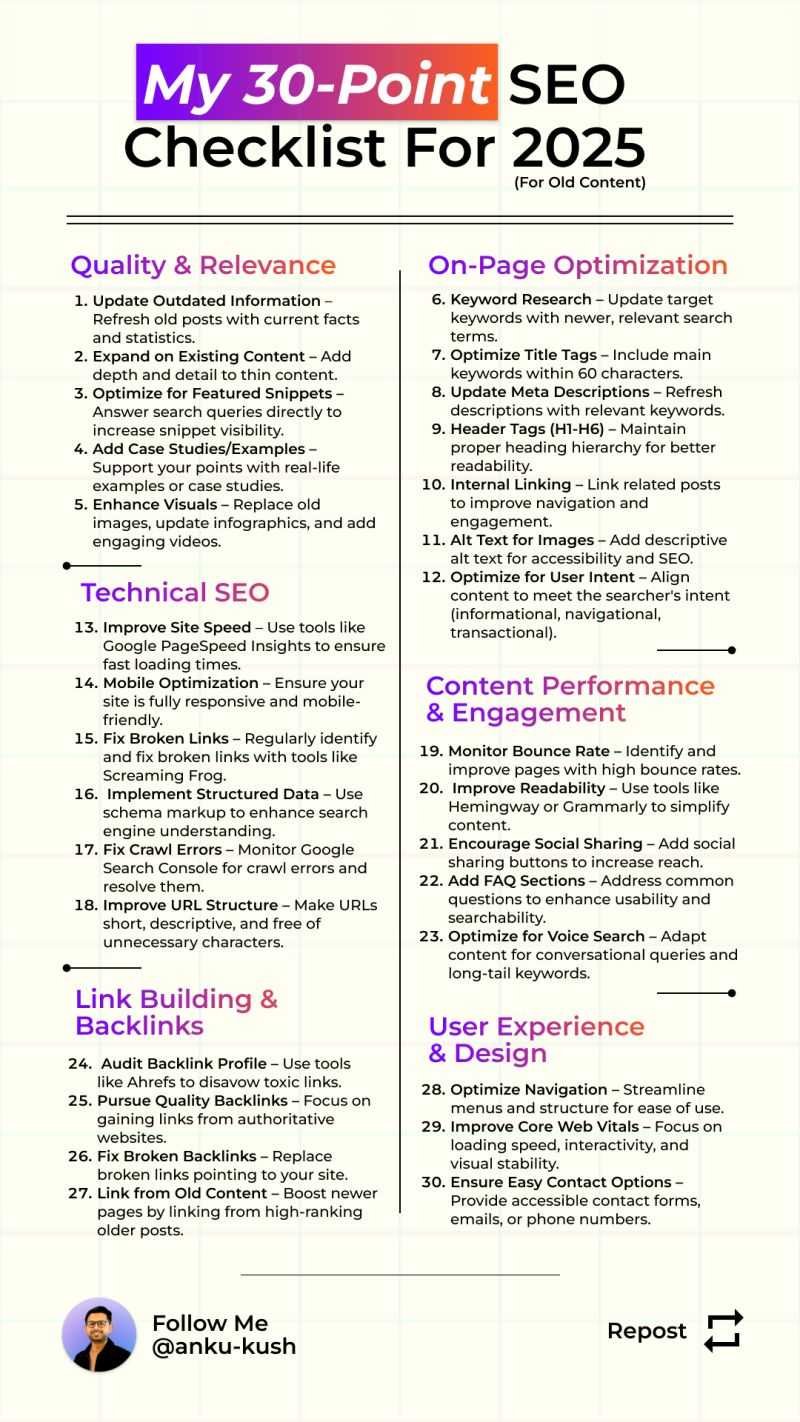
To fix thin content by adding depth and relevance, start by thoroughly researching your topic to uncover detailed information, insights, and different perspectives. Incorporate comprehensive explanations, examples, and data to enrich your content, making it more valuable and engaging for your audience. Focus on aligning your content with what your target readers are searching for, ensuring it addresses their questions and needs thoroughly.
In essence, improving thin content involves expanding your articles with in-depth information and ensuring it’s highly relevant to your audience. By doing so, you’ll boost your page’s authority, improve its search engine rankings, and provide real value to your visitors.
If your content feels shallow or lacks detail, adding depth and relevance is the key to transforming it into a comprehensive resource. This process not only enhances user experience but also signals to search engines that your page is authoritative and trustworthy. Start by conducting detailed research, including more insights, statistics, and examples, and tailor your content to what your audience truly cares about. This approach will help your pages stand out in search results and satisfy your readers’ informational needs.

How to Fix Thin Content by Adding Depth and Relevance
Understanding Thin Content and Why It Matters
Thin content refers to web pages that offer limited value to visitors. These pages often have very little information, shallow insights, or duplicate content from other sources. Search engines see thin content as a sign that the site is not providing useful or comprehensive information. Improving this type of content helps boost your site’s SEO and offers a better experience for your visitors.
Identify Thin Content on Your Website
The first step is to locate pages with thin content. Use tools like Google Search Console or third-party SEO tools such as SEMrush or Ahrefs. Look for pages that have very low word counts, minimal information, or high bounce rates. Proper analysis ensures you focus your efforts where they matter most and avoid wasting time on pages less in need of updates.
Expand Content with Relevant Details
Adding depth begins with enriching your existing content. Aim to include more detailed explanations, examples, and evidence. For example, if your page discusses a product, add specifications, user reviews, or case studies to help visitors understand its benefits. Strive to answer all common questions related to your topic to create comprehensive content.
Use Data, Facts, and Statistics
Including accurate data strengthens your content’s credibility. Present statistics that support your statements or provide data comparisons to help readers grasp the significance of your topic. Visual elements like charts or tables can also make complex data more digestible.
Tell a Story or Share Personal Experiences
Stories make content relatable and engaging. Sharing real-life scenarios or customer testimonials adds depth and authenticity. Personal experiences can illustrate how your product or advice works in different situations.
Add Relevant Subtopics for Context and Depth
Breaking down your main topic into subtopics enriches your content. For example, if writing about healthy eating, include sections on benefits, meal planning, recipes, and common pitfalls. This structure makes your content comprehensive and easy to navigate.
Include Related Keywords and Phrases
Research keywords related to your main topic and incorporate them naturally within your subtopics. Use phrases your audience searches for, such as “healthy eating tips” or “meal prep ideas.” This not only improves SEO but also guides the addition of valuable information.
Improve Relevance by Addressing User Intent
Content should directly answer what your visitors are seeking. Use analytics to understand common questions or pain points. Tailor your content to meet these needs, such as providing step-by-step guides, FAQs, or troubleshooting sections.
Create Clear and Actionable Calls to Action
Encourage engagement by including specific actions for your readers. Whether it’s signing up for a newsletter, downloading a guide, or making a purchase, clear CTAs improve relevance and keep visitors involved.
Use Visuals and Formatting to Enhance Readability
Break long paragraphs into shorter ones, and add bullet points, numbered lists, or tables. Use images, infographics, or videos where appropriate. Well-formatted content is easier to scan and helps convey complex ideas clearly.
Implement Internal Linking Strategically
Link to other relevant pages on your site to provide additional resources. Internal links keep visitors engaged longer and distribute link equity, improving overall site SEO. Ensure links are contextually appropriate and add value to the reader.
Update and Refresh Existing Content Regularly
Keep your content current by reviewing and updating outdated information. Add new insights, recent data, or emerging trends to keep your content relevant. Regular updates signal to search engines that your site provides fresh, authoritative information.
Use User-Generated Content to Add Value
Encourage reviews, comments, or forums where users share their experiences. This type of content adds relevance and variety, giving your site a more comprehensive and human touch. Respond to user input to foster engagement and trust.
Optimize Content for SEO without Overstuffing
Maintain keyword density at natural levels while prioritizing quality information. Use semantic keywords, synonyms, and related phrases to expand the reach of your content. Proper SEO ensures your improved content reaches more visitors.
Monitor Performance and Adjust Accordingly
Track key metrics such as average session duration, bounce rate, and rankings. Use insights to identify areas where your content still lacks depth or relevance. Continuously refine your content based on data to achieve the best results.
The Role of Content Structure in Adding Depth
Organize your content with clear headings and logical flow. Use
for main sections and
for sub-sections to improve readability and SEO. A well-structured article makes it easier for both users and search engines to understand the breadth of your content.
Incorporate Multimedia Elements
Incorporate Multimedia Elements
Adding videos, audio clips, or interactive elements can significantly increase the depth of your content. Multimedia caters to different learning styles and keeps users engaged longer, reducing bounce rates and increasing content value.
Addressing thin content involves more than just adding words—it requires enriching your pages with relevant, detailed, and user-focused information. By expanding your content, exploring related subtopics, and maintaining relevance, you create a resource that satisfies search engine algorithms and genuinely helps your visitors. Continually updating and optimizing your content ensures you stay ahead in the search rankings and maintain a trustworthy online presence.
Making Your Thin Content Phat!
Frequently Asked Questions
What strategies can I use to add meaningful details to my thin content?
To enrich your thin content, focus on incorporating comprehensive information that addresses various aspects of the topic. Use case studies, examples, and real-world applications to provide context. Additionally, include data, statistics, or expert opinions to support your points, making your content more informative and valuable to readers.
How can I identify gaps in my content to improve its depth and relevance?
Begin by reviewing your current content and comparing it with top-ranking pages on similar topics. Look for areas where information seems superficial or lacking. Conduct keyword research to spot related queries users have that your content doesn’t yet answer. Gathering feedback from your audience or analyzing questions they frequently ask can also reveal important gaps to address.
What techniques help in making content more engaging and contextually rich?
Add multimedia elements like images, videos, and infographics to illustrate key points visually. Use storytelling techniques or real-world examples to create a narrative that resonates with your audience. Breaking down complex concepts into simpler, more digestible parts can also enhance engagement and improve overall relevance.
How can updating existing content contribute to fixing thin content issues?
Regularly review and refresh your existing pages by adding new insights, recent data, or updated information. Clarify ambiguous sections and expand on topics that are only superficially covered. This process not only improves relevance but also signals to search engines that your content remains valuable and current.
What role does internal linking play in enhancing content depth?
Internal links connect related pages within your site, guiding readers to additional relevant information. This interconnected structure helps build a comprehensive information network, making your content more authoritative and contextually rich. Effective internal linking also improves SEO by distributing link equity across your site.
Final Thoughts
How to fix thin content by adding depth and relevance is essential for improving your website. Focus on expanding your topics with detailed information and examples that resonate with your audience. Incorporate relevant keywords naturally to strengthen your content’s relevance.
Use multimedia elements like images and videos to enhance engagement and provide additional value. Regularly update your content to keep it current and comprehensive. Prioritizing quality over quantity ensures your content remains meaningful and authoritative.
In summary, addressing thin content by adding depth and relevance directly boosts your site’s credibility and search engine ranking.