
To optimize your content effectively using Bing keyword data, start by identifying high-performing keywords relevant to your niche, then incorporate them naturally into your content, including titles, headings, and body text. Use Bing’s keyword insights to understand what your audience is searching for and tailor your content to match their intent, increasing your chances of ranking higher. Regularly analyze your keyword performance and adapt your strategy for continuous improvement.
Unlocking the full potential of Bing keyword data can significantly boost your content’s visibility and engagement. By understanding what your target audience is searching for on Bing, you can craft content that directly addresses their needs and interests. This approach not only improves your search rankings but also enhances user experience, driving more traffic and conversions to your site.
Getting your content to rank higher on Bing involves more than just stuffing keywords; it requires strategic keyword research, seamless integration into your writing, and ongoing optimization based on performance data. In today’s competitive digital landscape, knowing how to leverage Bing’s keyword insights gives you a powerful edge to reach the right audience efficiently. This blog will guide you through practical tips on how to analyze Bing keyword data and apply it to refine your content for better search engine results.

How to optimize content using Bing keyword data
Understanding the importance of Bing keyword data
Bing keyword data provides insights into what users search for on Microsoft’s search engine. By analyzing this data, content creators can identify popular topics and search terms. This helps in creating content that matches what people are actively looking for, increasing visibility.
Rich keyword data reveals not only high-volume search terms but also long-tail keywords. These longer phrases often have less competition and attract targeted traffic. Leveraging this data ensures your content is relevant and easily found by your target audience.
Gathering accurate Bing keyword data
The first step in optimizing your content is collecting reliable keyword data from Bing. Use tools like Bing Keyword Planner or Microsoft Advertising’s keyword research features. These tools provide search volume estimates, competition level, and related keyword suggestions.
Start by entering broad topics relevant to your niche. Analyze the suggested keywords to find those with high search volume and manageable competition. Save these keywords for use in your content strategy.
Using Bing Keyword Planner effectively
Bing Keyword Planner allows you to explore search behaviors over specific periods. Filter keywords based on location, language, and device type to tailor your content. Pay attention to keywords with high search volume and low competition for better ranking potential.
Keep note of seasonal trends indicated by the data. Incorporate seasonal keywords into your content at the right times to maximize relevance and traffic.
Analyzing competitor keywords on Bing
Studying competitors helps reveal keyword opportunities you might overlook. Use Bing search and SEO tools to identify which keywords your competitors rank for. Tools such as SEMrush or Ahrefs offer insights into competitors’ top keywords.
Identify gaps in your competitors’ keyword strategy. Find keywords they are not targeting but are relevant to your niche. Incorporate these gaps into your content plan to gain a competitive advantage.
Evaluating keyword difficulty and search intent
Not all keywords are equal. Use Bing SEO tools to assess keyword difficulty scores, helping you choose keywords that are easier to rank for. Focus on keywords with moderate difficulty and high relevance.
Understanding the search intent behind keywords guides your content creation. Whether users seek information, products, or specific services, matching content to intent enhances engagement and conversions.
Incorporating Bing keyword data into your content strategy
Effective content optimization begins with integrating your keyword research into your content calendar. Prioritize keywords based on relevance, volume, and competition. Use these keywords strategically within your content.
Create a keyword map by assigning primary and secondary keywords to each piece of content. This ensures natural usage without keyword stuffing, which can harm your search rankings.
Optimizing content for Bing search algorithms
Bing’s search algorithm favors clear, relevant, and well-structured content. Use your keywords in the titles, headers, and meta descriptions. Incorporate them naturally within your article body to improve readability.
Ensure your content answers common questions associated with your targeted keywords. Use synonyms and related terms to strengthen semantic relevance, aiding Bing in understanding your content’s context.
Enhancing content with semantic keywords
Semantic keywords include related words, synonyms, and variations of your primary keywords. They help Bing recognize your content’s topic more comprehensively.
Create a list of semantic keywords for each main keyword. Incorporate these naturally into your content to improve its depth and relevance. This approach enhances your chances of ranking for a broader set of related search queries.
Using structured data and rich snippets
Structured data helps Bing better understand your content through schema markup. Use relevant schemas such as articles, FAQs, reviews, or products.
Rich snippets display additional information in search results, increasing click-through rates. Implement structured data properly, marking up key information like reviews, ratings, or business details.
Monitoring and adjusting your keyword strategy
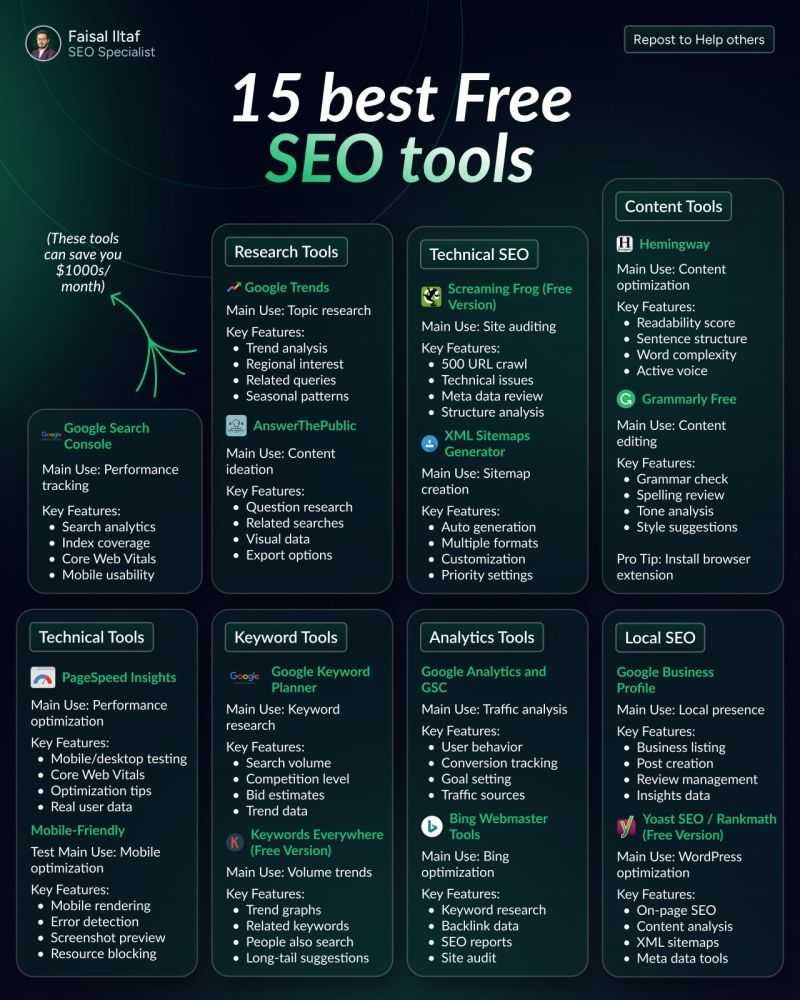
Keyword trends change over time. Regularly review your Bing search analytics and keyword rankings. Use Bing Webmaster Tools to track your content performance.
Adjust your content strategy based on what the data shows. Add new keywords, update existing content, and refine your target phrases to stay relevant and competitive.
Using data to refine content creation
Analyze which keywords drive the most traffic and conversions. Focus on these high-performing keywords in future content.
Identify low-performing keywords and consider replacing or optimizing the related content. Continually refine your keyword list based on real-time data for sustained growth.
Leveraging other Bing features for content optimization
Bing offers tools like Bing Visual Search and Bing Insights that can enhance your keyword strategy. Use Visual Search to identify trending visual topics related to your keywords.
Bing Insights provides audience data and trending topics. Use these insights to create timely and engaging content aligned with current user interests.
Optimizing for voice search on Bing
With the rise of voice queries, incorporate natural language keywords and phrases. Many voice searches on Bing are question-based, so use question keywords that match user queries.
Answer common questions in your content to improve visibility in voice search results, increasing your reach.
Using Bing keyword data effectively helps craft content that resonates with your audience and improves search engine ranking. By researching, analyzing, and integrating relevant keywords, you increase your chances of appearing at the top of Bing search results. Regularly updating your keyword strategy based on real-time insights ensures ongoing success in search visibility. Focus on creating valuable, well-structured, and keyword-optimized content that aligns with your audience’s needs and interests.
The Best SEO Strategies for 2025
Frequently Asked Questions
How can I identify the most relevant keywords from Bing data to enhance my content strategy?
To find the most relevant keywords, analyze Bing’s keyword data for search volume and trending topics related to your niche. Focus on keywords with high search volumes but moderate competition. Incorporate these keywords naturally into your content, including titles, headers, and body text, to improve visibility and attract targeted traffic.
What tactics should I use to integrate Bing keyword insights into existing content?
Review your current content and identify areas where your target keywords can fit seamlessly. Update headings, add relevant keywords to paragraphs, and create supplementary sections centered around high-value search terms. Ensuring natural integration prevents keyword stuffing and maintains a positive user experience.
How can I monitor the effectiveness of my content optimization using Bing data?
Track key performance indicators such as organic traffic, bounce rates, and keyword ranking changes over time. Use Bing Webmaster Tools and analytics to assess how well your optimized content performs. Regular monitoring allows you to refine your strategies based on real performance data.
What are some common mistakes to avoid when optimizing content with Bing keyword data?
Avoid overusing keywords, which can lead to keyword stuffing and lower readability. Do not neglect the context of keywords, ensuring they align with user intent. Also, resist the temptation to focus only on high-competition keywords; include long-tail keywords to target specific queries effectively.
How can I leverage Bing’s search trends to stay ahead with content updates?
Regularly review Bing’s trending searches related to your industry to identify emerging topics. Update your content periodically to include new keywords and relevant information. This proactive approach helps your site remain relevant and improves your chances of ranking higher in search results.
Final Thoughts
Pour optimiser votre contenu en utilisant les données de mots-clés Bing, commencez par analyser les termes searchers utilisent le plus fréquemment. Intégrez ces mots-clés de manière naturelle dans vos titres, sous-titres et corps de texte pour améliorer votre référencement. Ensuite, adaptez votre contenu aux tendances actuelles pour répondre aux attentes du public.
En résumé, comment optimiser le contenu en utilisant Bing keyword data ? En incluant stratégiquement ces mots-clés et en suivant les tendances, vous améliorez votre visibilité. La clé réside dans l’intégration pertinente de ces données pour renforcer votre stratégie de contenu.
Recommended SEO


