
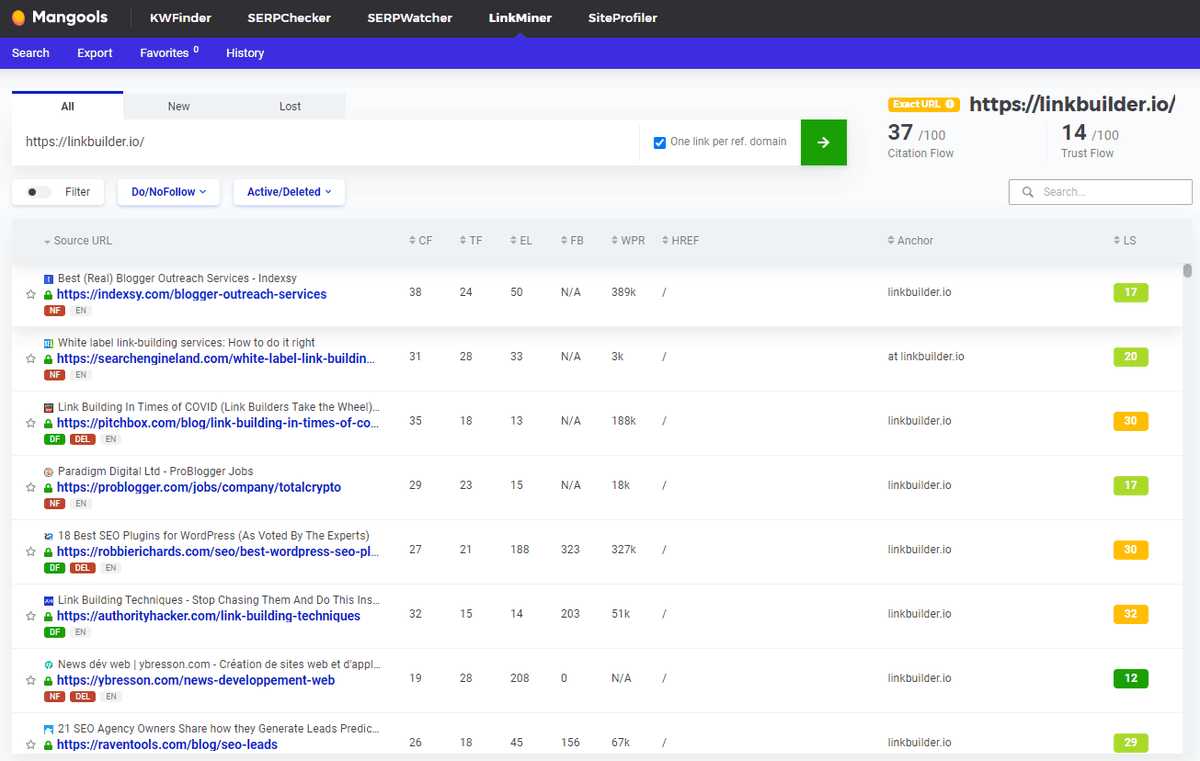
To analyze a backlink profile effectively, start by gathering all your backlinks using tools like Ahrefs or SEMrush. Then, assess their quality, relevance, and anchor text diversity to understand your link landscape and identify potential opportunities or issues. Regularly monitoring these factors helps improve your SEO strategy and maintain a healthy site authority.
Performing a backlink profile analysis is essential for understanding how your website is perceived by search engines and spotting areas for improvement. This process involves collecting data on all your inbound links, evaluating their quality, and analyzing their relevance to your niche. By doing so, you can identify toxic links that might harm your rankings, uncover new linking opportunities, and optimize your overall SEO strategy. Whether you’re managing your own site or analyzing competitors, a thorough backlink analysis provides valuable insights to boost your online presence and organic traffic.

How to perform a backlink profile analysis
Understanding the importance of backlink profile analysis
Analyzing your backlink profile helps you see how other websites connect to yours. It shows the number, quality, and relevance of the links pointing to your site. This insight is essential for improving your SEO and increasing your site’s authority.
Gathering your backlink data
The first step is collecting all backlinks pointing to your site. Use tools like Ahrefs, SEMrush, or Moz to get a complete list. These tools provide detailed reports on your backlinks, including source URLs, anchor texts, and link types.
Choosing the right backlink analysis tools
Select a tool that fits your needs and budget. Ahrefs offers extensive backlink data, SEMrush provides a user-friendly interface, while Moz is good for beginners. Consider using multiple tools for a comprehensive view.
Exporting backlink data
Once you’ve chosen your tools, export your backlink data into a spreadsheet. Keep the data organized by columns such as source URL, target URL, anchor text, link type, and date added. This structure makes analyzing easier.
Analyzing backlink quality
Not all backlinks have the same impact. Focus on the quality of links rather than quantity. Look for links from authoritative, relevant, and trustworthy sites. Low-quality links can harm your SEO and should be disavowed.
Assessing authority of linking domains
Use metrics like Domain Authority (DA) or Domain Rating (DR) to evaluate domain strength. Higher scores indicate more authoritative sources. Aim for backlinks from sites with DA above 30 for better SEO impact.
Evaluating relevance of backlinks
Ensure links come from sites related to your niche or industry. Relevance strengthens your site’s topical authority and improves your rankings for related keywords. Irrelevant links, though high-quality, may not be as beneficial.
Identifying spammy and toxic backlinks
Spammy backlinks can negatively affect your rankings. Look for links from sites with low DA or those marked as spam, such as link farms or adult content sites. Use Google’s Disavow Tool to remove links you consider harmful.
Spotting unnatural link patterns
Frequent, sudden spikes in backlinks may indicate manipulative practices. Check for over-optimized anchor texts or links from low-quality sources appearing in a short period. Such patterns signal unnatural link building.
Using Google Search Console for spam detection
Google Search Console provides insights into manual actions or penalties related to your backlinks. Regularly monitor this tool to identify and address potential issues with your backlink profile.
Analyzing anchor text distribution
Anchor text influences how search engines interpret your links. A natural profile includes diverse, branded, and generic phrases. Over-optimized anchor texts, like exact keywords, can appear manipulative.
Ensuring diverse and natural anchor text profiles
Aim for a mixture of branded, generic, and long-tail keywords. Avoid overusing exact match keywords to prevent penalties. A balanced profile signals a natural link growth pattern.
Using tools to analyze anchor text
Most backlink tools provide a breakdown of anchor texts used. Review this data regularly to spot over-optimization or unnatural patterns. Adjust your link-building strategy accordingly.
Measuring the impact of backlinks on SEO
Track how your backlinks influence your search engine rankings. Use keyword position tools and traffic analytics to see improvements. Regular monitoring helps refine your link-building efforts.
Tracking keyword rankings over time
Use tools like SEMrush or Ahrefs to monitor your keyword positions. Notice correlations between new backlinks and ranking improvements. Focus on acquiring links that boost relevant keywords.
Monitoring referral traffic
Google Analytics shows how much traffic comes from backlinks. High referral traffic from authoritative sites indicates strong link influence. Use this data to prioritize valuable backlinks.
Maintaining and updating your backlink profile
Backlink profiles are dynamic. Regular audits help maintain a healthy profile and prevent issues. Schedule periodic reviews to remove harmful links and pursue new opportunities.
Disavowing harmful backlinks
Create a disavow file listing spammy or low-quality links. Submit this to Google through Search Console to prevent those links from affecting your site. Be cautious; only disavow links you are sure about.
Building new high-quality backlinks
Focus on earning backlinks from reputable sources through guest posting, creating share-worthy content, or partnerships. Quality backlinks continue to strengthen your authority and ranking.
Best practices for a successful backlink profile analysis
Consistently analyze your backlink profile to stay ahead of potential penalties and SEO issues. Combine data from various tools for a complete picture. Always focus on building and maintaining high-quality links.
Creating a backlink audit checklist
Develop a systematic checklist that includes data collection, quality assessment, spam detection, anchor text analysis, and reporting. Use this checklist regularly for comprehensive reviews.
Staying updated with SEO trends and algorithm changes
Algorithms change often, impacting how backlinks are valued. Stay informed about updates from Google and SEO communities. Adjust your strategies accordingly to keep your profile healthy.
Une analyse régulière de votre profil de backlinks vous permet d’identifier et de corriger rapidement tout problème, tout en renforçant votre autorité en ligne. En utilisant des outils performants, en évaluant la qualité et la pertinence des liens, et en maintenant une stratégie de lien naturel, vous pouvez améliorer durablement votre positionnement dans les moteurs de recherche.
How to Perform a Backlink Profile Analysis
Frequently Asked Questions
What tools can I use to evaluate the quality of backlinks in a profile?
To assess the quality of backlinks, you can utilize tools such as Ahrefs, SEMrush, Moz, or Majestic. These tools provide metrics like domain authority, page authority, spam scores, and link relevance, helping you identify high-value backlinks and spot potentially harmful ones. They also offer insights into the backlinks’ origin, anchor text, and growth patterns, enabling a comprehensive analysis.
How do I identify unnatural or spammy links within a backlink profile?
Look for backlinks from irrelevant, low-authority, or suspicious websites. Check for over-optimized anchor text and sudden spikes in link acquisition. Using tools like Ahrefs or SEMrush, analyze the link growth over time; irregular or unnatural patterns may indicate spammy links. Manually reviewing links that seem questionable or come from low-quality sites helps you pinpoint harmful backlinks that could harm your site’s reputation.
What steps should I follow to analyze the diversity of backlinks?
Begin by examining the variety of referring domains, IP addresses, and link types (such as editorial links, guest posts, or directory links). Use backlink analysis tools to generate reports that categorize backlinks by source, type, and geographic location. A diverse backlink profile indicates natural link-building efforts and reduces the risk of penalties. Identifying over-reliance on a single source or link type alerts you to potential issues.
How can I determine if my backlink profile aligns with my niche and industry?
Compare your backlinks to those of competing websites within your industry. Look for links from relevant niche sites, industry blogs, or authoritative publications. Use tools to analyze the topical relevance of linking domains and keywords used in anchor texts. Ensuring that most backlinks come from related fields secures the profile’s relevance and supports your SEO strategies.
What are the best practices for tracking backlink profile changes over time?
Set up regular monitoring using backlink analysis tools to observe new link acquisitions and lost links. Keep a record of these changes to identify patterns that could signal negative SEO attacks or the success of your outreach efforts. Tracking over time helps you maintain a healthy backlink profile, adapt your strategies, and ensure your link-building remains consistent and aligned with your SEO goals.
Final Thoughts
Performing a backlink profile analysis helps identify opportunities and potential risks for your website. Start by collecting backlink data using tools like Ahrefs or SEMrush. Review the quality, relevance, and diversity of backlinks to gauge their impact. Focus on identifying any toxic links that could harm your SEO efforts. By analyzing these factors, you gain a clear understanding of your backlink profile’s strength. Overall, understanding how to perform a backlink profile analysis ensures you maintain a healthy link portfolio that supports your site’s ranking and authority.
Recommended SEO


