
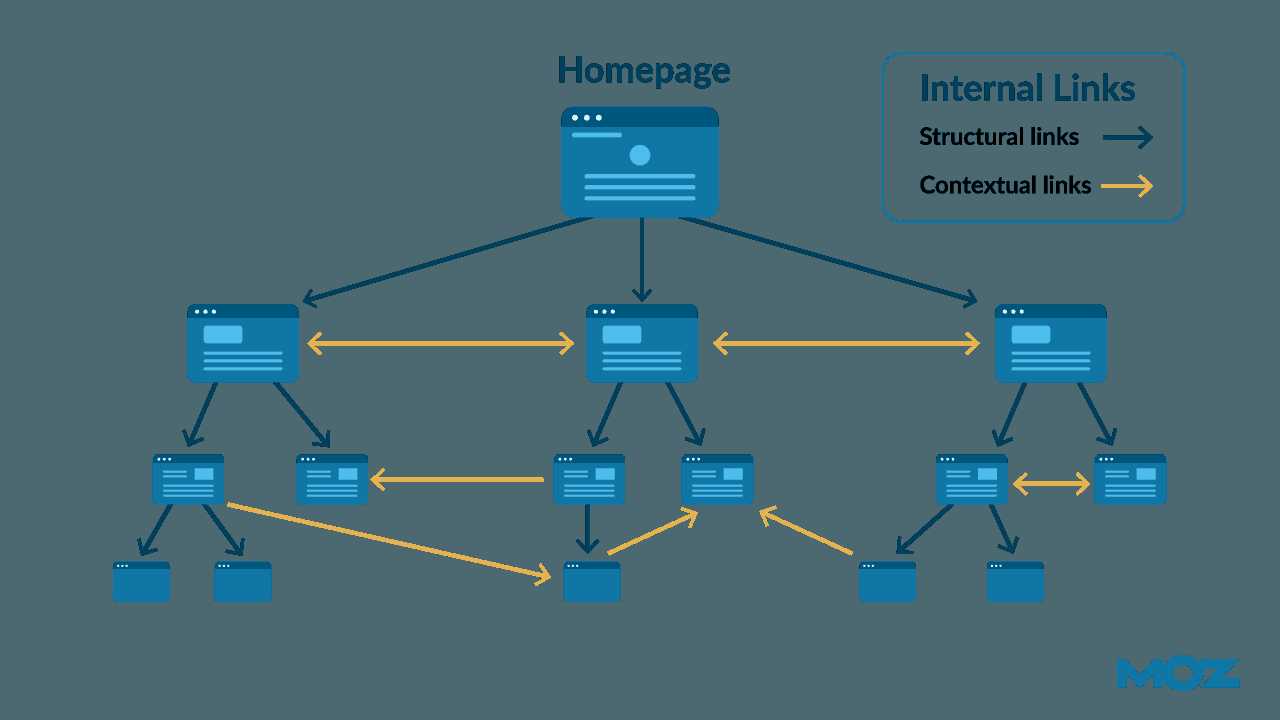
To boost your website’s SEO through internal linking, focus on creating a strategic network of links that guide visitors and search engines to your most important content. Start by identifying key pages, then link related content naturally and thoughtfully to improve navigation and distribute link equity effectively. Consistent, smart internal linking can enhance user experience and help search engines understand your site’s structure better.
Internal linking is crucial for SEO because it helps distribute page authority across your site and improves crawlability. Planning your internal links involves analyzing your content hierarchy, prioritizing high-value pages, and ensuring every page has relevant links pointing to it. This thoughtful approach makes your website more organized, accessible, and search-engine friendly.
When it comes to planning internal links for SEO, begin by mapping out your content structure and identifying your most important pages. Use descriptive anchor text to create logical pathways that guide both users and search engines through your content. Regularly review and update your links to align with your evolving website goals, ensuring maximum SEO benefits and a better user experience.

How to plan internal linking for SEO value
Understanding the Importance of Internal Linking
Internal linking connects different pages within your website, helping visitors navigate easily. It also tells search engines about the structure and hierarchy of your site. Well-planned internal links can increase the authority of key pages and improve overall SEO.
Setting Clear Goals for Your Internal Linking Strategy
Before creating links, define what you want to achieve. Do you want more traffic to specific pages, better indexing, or higher rankings for certain keywords? Clear goals guide your link placement and anchor text choices.
Mapping Your Website Structure
Create a visual map or outline of your website’s content. This map shows how pages relate to each other and highlights the main categories and subtopics. A clear structure makes it easier to plan effective internal links and improve user experience.
Identifying Priority Pages
Determine which pages are most important for your SEO goals. These could include your homepage, product pages, or high-converting blog posts. Focus on strengthening these pages through strategic internal links to boost their authority.
Keyword Research and Anchor Text Planning
Choose relevant keywords for each page and craft anchor texts accordingly. Use descriptive and natural language, avoiding keyword stuffing. Good anchor text provides context and helps search engines understand the linked page’s topic.
Best Practices for Anchor Text
- Be specific and relevant
- Avoid generic phrases like “click here”
- Use variations of your target keywords
- Keep anchor text concise and clear
Creating a Hierarchical Internal Linking Structure
Design your internal links to reflect a hierarchy—main pages linking to subpages, and so on. This structure distributes link equity and helps search engines crawl your site efficiently.
Utilizing Contextual Links Effectively
Insert links naturally within your content to related pages. Contextual links are more valuable because they provide additional information and improve user engagement. Use relevant keywords for anchor texts to reinforce SEO.
Optimizing Link Placement
Place internal links where they make sense for users. Typically, links within the first few paragraphs or near calls-to-action work well. Ensure links are visible and clickable without disrupting content flow.
Managing Orphan Pages and Internal Link Gaps
Identify pages that are not linked internally (orphan pages) using website audit tools. Add internal links to these pages from relevant content to improve their visibility and authority.
Implementing a Link Priority System
Prioritize links based on importance and relevance. Use fewer links on less relevant pages and focus more on high-value pages. This helps search engines understand which pages are most significant.
Breadcrumbs show users and search engines the site structure. They help with internal linking and improve the visitor’s navigation experience. Ensure they accurately reflect your hierarchy.
Monitoring and Updating Internal Links
Regularly audit your internal linking structure to remove broken links and add new ones. As your content grows, updating links keeps your SEO strategy fresh and effective. Use tools like Google Search Console or Ahrefs for insights.
Integrating Internal Linking with Content Strategy
Plan internal links alongside your content calendar. When creating new pages or blog posts, include links to and from related content to strengthen your site’s overall SEO.
Tools and Plugins to Help with Internal Linking
Use SEO plugins for CMS platforms like WordPress to automate or suggest internal links. Tools like Yoast SEO or Rank Math can identify linking opportunities and optimize your strategy.
Analyzing the Impact of Internal Linking
Track your SEO metrics—such as page rankings, bounce rate, and crawl depth—to evaluate your internal linking effectiveness. Use data to refine your approach continually.
Effective internal linking requires thoughtful planning, regular maintenance, and strategic execution. By mapping your website, prioritizing key pages, and crafting relevant links, you can significantly improve your site’s SEO and user experience. Remember to keep your structure logical, use descriptive anchor texts, and monitor your progress. Each link should serve both your audience and your search engine goals, creating a seamless path for visitors and crawlers alike.
How to use Internal Links to Boost Google Rankings
Frequently Asked Questions
What factors should I consider when organizing my internal links for better SEO performance?
When organizing internal links, focus on creating a logical site structure that emphasizes your key pages. Prioritize linking from high-authority pages to newer or more important content to distribute link equity effectively. Keep anchor texts relevant and descriptive to help search engines understand the linked pages. Additionally, ensure that related content is interconnected to improve user navigation and dwell time, which positively impacts SEO.
How can I identify which pages should receive more internal links?
Analyze your website’s traffic data to spot high-traffic or high-converting pages, and direct more internal links toward these. Consider the importance of each page in your overall strategy—core pages such as product listings, service descriptions, or cornerstone content should receive increased linking. Also, review your existing content to find gaps where additional links could improve relevance and flow, guiding visitors more effectively through your site.
What role does anchor text play in planning internal links for SEO?
Anchor text guides search engines and users by describing the content of the linked page. Use clear, descriptive words that accurately reflect the target content. Avoid generic terms like “click here” and instead incorporate relevant keywords naturally. This practice enhances your site’s SEO by signaling the importance of linked pages and improving their visibility in search results.
How often should I review and update my internal linking structure?
Regularly evaluate your internal links, especially after adding new content or making website updates. Perform audits quarterly or biannually to identify orphaned pages, broken links, or opportunities for improved linking. Keeping your internal linking structure current ensures that search engines can effectively crawl your site and that visitors can navigate seamlessly.
What tools can help plan and optimize internal linking strategies?
Use website analysis tools like Google Search Console, Screaming Frog, or SEMrush to examine your current internal link structure. These tools help identify pages with low inbound links, orphaned pages, or broken links. Additionally, sitemap generators and site crawlers can suggest optimal linking opportunities and ensure your internal link setup aligns with your SEO goals.
Final Thoughts
How to plan internal linking for SEO value involves strategic placement of links within your content. Focus on connecting related pages with relevant anchor text to boost page authority. Prioritize key pages and ensure a logical site structure. Regularly audit your links to maintain relevance and effectiveness. A well-thought-out internal linking strategy improves user experience and search engine rankings, making your website more authoritative and accessible.
Recommended SEO


