
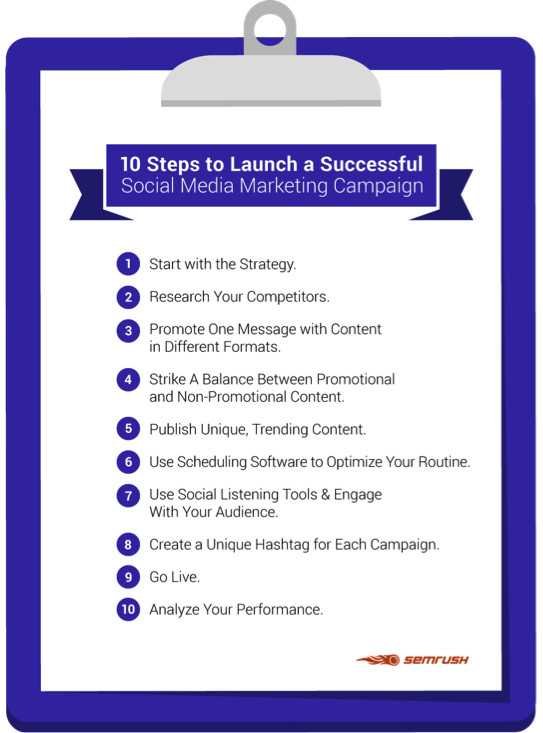
To run successful ad campaigns on social platforms, focus on clear targeting, compelling visuals, and continuous optimization. Start by understanding your audience, set specific goals, and track performance metrics to refine your approach. Engaging content paired with precise audience segmentation can significantly boost your ROI.
Achieving success with social media ads requires a strategic approach. By understanding your audience, crafting engaging content, and continuously analyzing results, you can maximize your ad spend and reach your marketing objectives. The key is to test different strategies, learn from data insights, and adapt your campaigns accordingly.
Getting your social ad campaigns right can feel overwhelming, but it’s all about strategy and iteration. When you know who you’re targeting, create eye-catching ads that speak directly to their needs, and keep an eye on your performance to make improvements, you increase the chances of success. This continuous cycle of testing and refining helps in building campaigns that genuinely resonate and deliver results, making your advertising efforts not just effective but also smarter over time.

Understanding Your Audience
Knowing who your audience is forms the foundation of a successful social media ad campaign. Start by researching their age, gender, location, interests, and online behaviors. This helps you create targeted ads that resonate with your intended viewers. Use platform analytics tools like Facebook Audience Insights or Instagram Insights to gather accurate data. The better you understand your audience, the more effectively you can tailor your messaging and visuals. Remember, a well-defined audience prevents wasting ad spend on irrelevant users.
Setting Clear and Achievable Goals
Before launching your campaign, define what you want to accomplish. Common goals include increasing brand awareness, driving website traffic, generating leads, or boosting sales. Clear goals help in choosing the right type of ad and measuring success accurately. Use SMART criteria—Specific, Measurable, Achievable, Relevant, and Time-bound—to set your objectives. For example, aiming to increase online sales by 20% in three months provides a concrete target. Well-set goals guide your strategy and enable you to track progress effectively.
Not every social platform suits all types of businesses or campaigns. Facebook offers extensive targeting options and large user bases, ideal for brand awareness and sales. Instagram appeals to younger audiences with visually engaging content. LinkedIn is perfect for B2B marketing and professional services. Twitter suits real-time engagement and updates. TikTok attracts a vibrant, younger demographic interested in short-form videos. Select platforms where your target audience spends most of their time. This ensures your ads reach the right people and generate better results.
Creating Engaging and Relevant Content
Content is king when it comes to social media advertising. Use eye-catching visuals and compelling copy to attract attention. Focus on creating messages that address your audience’s needs or pain points. Incorporate clear call-to-actions like “Shop Now,” “Learn More,” or “Sign Up.” Use videos, images, and carousel ads to diversify your content. Test different formats to identify what resonates best. Remember, authentic and relevant content builds trust and encourages interaction.
Designing Effective Ad Copy and Visuals
Your ad copy should be concise, clear, and persuasive. Highlight the benefits of your product or service quickly to capture interest. Use simple language and a friendly tone to connect with your audience. Visuals should complement your message and be of high quality. Use brand colors and consistent styles to reinforce brand recognition. Incorporate human faces or relatable scenarios to create emotional connections. A/B testing different headlines and images helps identify what works best for your campaign.
Leveraging Advanced Targeting Options
Social platforms provide powerful targeting features that allow precise audience segmentation. Use demographic filters such as age, gender, income, and education. Combine these with interest-based and behavioral targeting to reach specific user groups. Retarget users who have interacted with your website or previous ads for higher conversion rates. Lookalike audiences help find new users similar to your existing customers. Employ these tools to maximize your ad relevance and efficiency.
Budgeting and Bidding Strategies
Establish a clear budget aligned with your campaign goals. Decide whether to use a daily budget or a total campaign budget for better control. Choose between bidding options like cost-per-click (CPC), cost-per-impression (CPM), or cost-per-acquisition (CPA). Use automatic bidding for beginners and manual bidding for more control once you gain experience. Monitor your ad spend regularly and adjust bids to optimize performance. Proper budgeting ensures your campaign remains profitable and sustainable.
Optimizing Campaign Performance
Monitor your ad campaigns continuously to identify what’s working and what isn’t. Use platform analytics tools to track metrics like click-through rates, conversions, and engagement rates. Adjust targeting parameters, ad creatives, and bids based on performance data. Frequently test different ad variants through A/B testing to enhance results. Implement learnings from your data to refine your campaign and improve return on investment. Remember, optimization is an ongoing process.
Utilizing A/B Testing Effectively
A/B testing involves creating two versions of an ad to see which performs better. Test one element at a time, such as headline, image, call-to-action, or audience segment. Keep test variables clear and measurable. Run tests for a sufficient period to gather reliable data. Use the insights to select the best-performing ads and scale them up. Consistent testing allows you to fine-tune your campaigns for maximum impact.
Measuring Success and Analyzing Data
Set up key performance indicators (KPIs) aligned with your goals, such as click-through rate or conversion rate. Use platform tools and analytics dashboards to gather data. Analyze campaign performance regularly to spot trends and insights. Calculate your return on ad spend (ROAS) to assess profitability. Use these insights to make informed decisions on future campaigns. Accurate measurement and analysis lead to better resource allocation and more successful advertising efforts.
Scaling Your Campaigns
Once you identify successful ad sets, consider increasing your budget gradually. Scale your campaigns by expanding target audiences or increasing ad frequency. Use lookalike audiences to reach new potential customers efficiently. Keep an eye on campaign metrics during scaling to maintain performance. Consistent monitoring and adjustment ensure your campaigns remain effective at larger scales. Remember, scaling too quickly can lead to diminishing returns, so proceed with caution.
Staying Updated with Platform Changes
Social media platforms frequently update their algorithms and advertising features. Stay informed by following official blogs, forums, and industry news. Regularly test new ad features and formats to stay ahead of your competitors. Adapt your strategies to leverage latest tools and policies. Continuous learning helps you adopt best practices and maximize your campaign success.
Social media advertising should complement your broader marketing efforts. Coordinate campaigns across channels to deliver a unified message. Use social ads to nurture leads generated from other campaigns like email marketing or content marketing. Consistent branding and messaging across platforms strengthen your brand presence. Integrating strategies maximizes your marketing ROI and builds a stronger customer relationship.
Running successful social media ad campaigns requires understanding your audience, setting clear goals, and creating engaging content. Selecting the right platform and leveraging advanced targeting options help reach your ideal customers. Continuous monitoring, testing, and optimization ensure your campaigns stay effective and profitable. By integrating social advertising into your overall marketing plan, you can build brand awareness, generate leads, and increase sales. Stay adaptable and informed to keep up with the evolving landscape of social media advertising and achieve consistent success.
Frequently Asked Questions
To improve targeting accuracy, define your audience based on specific demographics, interests, and behaviors. Use platform tools like custom audiences and lookalike audiences to reach users who are more likely to engage with your ads. Continuously monitor campaign data and adjust targeting parameters to refine your reach and avoid wasted ad spend.
How can I create compelling ad content that resonates with my audience?
Focus on crafting clear, concise messages that highlight the benefits of your product or service. Use eye-catching visuals and a strong call-to-action to encourage engagement. Conduct A/B testing with different creatives and messages to identify what appeals most to your target audience and optimize accordingly.
Monitor metrics such as click-through rate (CTR), conversion rate, cost per conversion, and return on ad spend (ROAS). These indicators will show how well your ads perform in driving desired actions. Regularly analyze this data to make informed adjustments that enhance your campaign’s effectiveness.
Start by testing small budgets on multiple platforms to identify which channels deliver the best results. Focus more budget on those with higher engagement and conversion rates. Use platform insights to allocate funds dynamically and avoid overspending on less effective channels.
Encourage interaction by asking questions, including interactive elements like polls, or offering incentives such as discounts. Use compelling visuals and personalized messages to connect with users. Regularly update your ads and respond to comments to foster a sense of community and maintain interest.
Final Thoughts
Running successful ad campaigns on social platforms requires clear goals and precise targeting. Focus on engaging content that resonates with your audience to boost interaction. Monitor your ad performance regularly, adjusting strategies based on analytics.
By following these steps, you set a solid foundation for your campaigns. Remember, how to run successful ad campaigns on social platforms depends on continuous optimization and understanding your audience’s needs. Stay adaptable, analyze results, and refine your approach to achieve the best possible outcomes.