
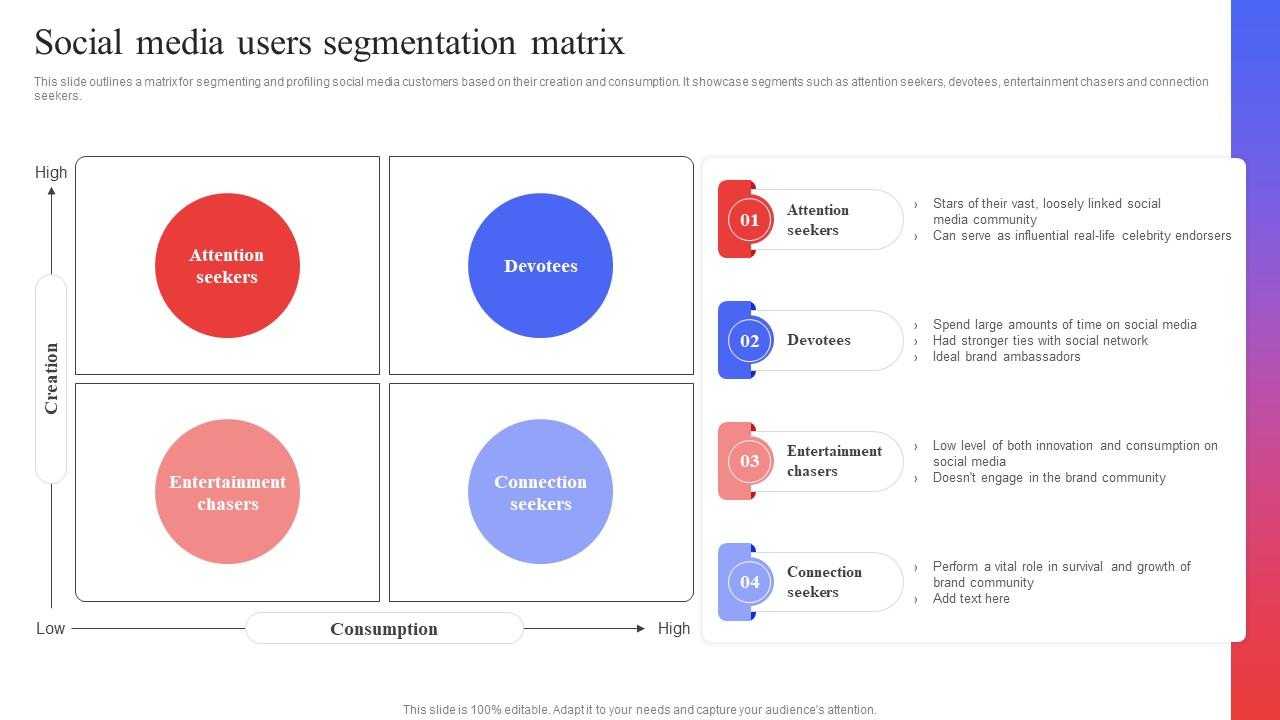
To effectively segment users for targeted analysis, start by identifying key attributes like demographics, behaviors, and preferences. Use data analytics tools to group users based on shared characteristics, enabling personalized marketing strategies. Regularly update segments to reflect changing user behaviors for maximum impact.
Segmenting users allows businesses to tailor their messaging and offerings, leading to higher engagement and conversion rates. It’s about understanding who your users are and what they want, then designing strategies that speak directly to those groups. Proper segmentation can reveal hidden opportunities and help allocate resources more efficiently, ensuring that your marketing efforts hit the mark. Whether you’re working with a large customer base or a niche audience, understanding how to carve out meaningful segments is crucial for targeted analysis that delivers real results.
Knowing how to divide your users into meaningful groups isn’t just a technical task—it’s a strategic move that transforms raw data into actionable insights. In this guide, we’ll explore simple yet powerful ways to segment users, from using basic demographics to advanced behavioral patterns, so you can refine your marketing and enhance user experience. Ready to unlock the full potential of your data? Dive in and discover the secrets to effective user segmentation today!

How to segment users for targeted analysis
Segmenting users is a vital step in understanding your audience better. It helps you personalize your marketing efforts and improve your overall strategy. The goal is to divide your users into smaller groups that share similar characteristics.
Why user segmentation matters
User segmentation provides insights into different customer behaviors and preferences. It allows you to tailor your messaging and offers more effectively. When you understand your users better, your marketing becomes more efficient and impactful.
Key benefits of properly segmenting your users
- Improves customer engagement
- Increases conversion rates
- Enhances customer retention
- Optimizes marketing resources
Proper segmentation leads to more relevant communication, which encourages users to interact more with your brand. It also helps you identify high-value groups that can generate more revenue.
Different methods of user segmentation
Demographic segmentation
This method divides users based on age, gender, income level, education, and occupation. Demographics are easy to collect and provide a quick overview of your audience.
Geographic segmentation
Group users by location such as country, region, city, or climate zone. This helps tailor offers and messages specific to local preferences or cultural nuances.
Behavioral segmentation
This involves analyzing user behaviors like purchase history, website interactions, app usage, and engagement frequency. It offers insights into how users interact with your brand.
Psychographic segmentation
Divide users based on personality traits, interests, lifestyles, and values. This method is more subjective but provides deep understanding of customer motivations.
Technographic segmentation
Focuses on the technology users prefer, such as device type, operating system, browser, or software preferences. This helps optimize your digital experience.
Choosing the right segmentation criteria
Start by defining your business goals and understanding what data you can access. Combining multiple segmentation methods often yields the best results. For example, demographics combined with behavioral data can reveal more nuanced insights.
Make sure your segmentation criteria are actionable. Avoid overly broad groups that don’t help in targeting specific marketing actions.
Tools and techniques for user segmentation
Data collection methods
- Customer surveys
- Website analytics tools like Google Analytics
- Email engagement tracking
- CRM systems
- Social media insights
Segmentation software options
- HubSpot
- Segment
- Klaviyo
- Salesforce
Using these tools helps automate the segmentation process and ensures data accuracy. They also enable real-time updates, which are crucial for dynamic marketing campaigns.
Analyzing segmented user groups
Once you segment users, analyze each group’s behavior and preferences. Look for patterns like high engagement levels or common purchase paths. This analysis informs your targeted marketing strategies.
Identify your most valuable segments—those with high lifetime value or frequent purchases—and prioritize marketing efforts towards them.
Creating personalized marketing campaigns based on segments
Use your insights to craft tailored messages, offers, and content for each segment. Personalization increases the likelihood of user action and strengthens customer relationships.
For example, younger users might respond better to social media promotions, while loyal customers may prefer exclusive discounts or early access to new products.
Monitoring and refining your segmentation strategy
Regularly review your user groups to ensure they still make sense. User behaviors and preferences change over time, so your segmentation should evolve accordingly.
Use analytics to measure the success of targeted campaigns and adjust criteria and tactics as needed for better results.
Common challenges in user segmentation and how to overcome them
- Data quality issues: Collect data from trusted sources and keep databases clean.
- Siloed data: Integrate data from different platforms to get a full picture of user behavior.
- Over-segmentation: Avoid creating too many small groups that complicate marketing efforts.
- Privacy concerns: Always comply with data protection laws and obtain user consent where necessary.
Addressing these challenges ensures your segmentation efforts remain effective and respectful of user privacy.
- Behavioral analytics for user insights
- Customer lifetime value calculation
- Personalization techniques in digital marketing
- Data privacy and GDPR compliance
- Automation tools for marketing segmentation
Effective user segmentation is a continuous process that allows your business to adapt and grow. The better your understanding of user groups, the more precisely you can meet their needs. This targeted approach leads to higher satisfaction, loyalty, and ultimately, business success.
MARKETING 101: Marketing Segmentation, Targeting, and Positioning
Frequently Asked Questions
What criteria can be used to define user segments effectively?
Effective criteria for defining user segments include demographic factors like age, gender, and location, as well as behavioral data such as purchase history, website interaction patterns, and engagement levels. You can also consider psychographic attributes like interests and values. Combining these criteria helps create precise segments that allow for more targeted analysis and marketing strategies.
How can segmentation improve the accuracy of user insights?
Segmentation allows you to group users with similar characteristics, making it easier to identify patterns and trends within each group. This approach minimizes data noise and provides clearer insights into user preferences and behaviors, leading to more accurate and actionable conclusions that can inform your business decisions.
What methods are most effective for grouping users based on their activities?
Clustering techniques such as k-means or hierarchical clustering work well for grouping users based on activity data. Additionally, decision trees and rule-based segmentation can help classify users according to specific behaviors or engagement levels. Choose methods that align with your data type and analysis goals for optimal results.
How can real-time data influence user segmentation strategies?
Real-time data enables you to adjust segments dynamically based on current user actions and interactions. This responsiveness allows for immediate personalization, targeted messaging, and timely offers, which can improve user experience and increase conversion rates. Continuously updating segments ensures your analysis remains relevant and accurate.
Why is it important to reassess user segments regularly?
Periodic review of user segments helps capture changes in user behavior and preferences over time. As your audience evolves, maintaining updated segments ensures that your marketing and analysis efforts remain aligned with current user needs, resulting in more effective engagement and improved overall strategy.
Final Thoughts
How to segment users for targeted analysis is essential for effective decision-making. Begin by collecting relevant data such as demographics, behaviors, and purchase patterns. Use this information to create meaningful segments that reflect user needs and preferences.
Apply segmentation techniques like clustering or profiling to categorize users accurately. This approach helps tailor strategies and improve engagement. In conclusion, properly segmenting users for targeted analysis enables more precise insights and better business outcomes.
Recommended SEO


