
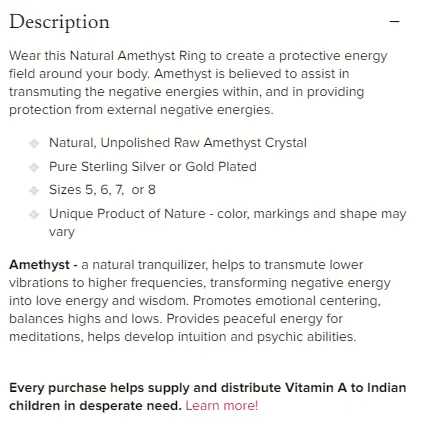
Looking to turn casual browsers into eager buyers? Crafting compelling product descriptions is the key. The trick is to highlight benefits clearly, evoke emotion, and make the customer imagine owning or using the product. By focusing on what sets your product apart and addressing potential questions upfront, you can hook the reader and encourage them to make a purchase. In just a few well-chosen words, you can turn visitors into confident buyers who see your product as the perfect solution to their needs.
A good product description should be concise, engaging, and customer-focused, emphasizing benefits over features. It should tell a story that resonates with your target audience while providing all the necessary details to inspire trust and persuade action. Ultimately, effective descriptions bridge the gap between curiosity and conversion, making your product irresistible.

How to Write Product Descriptions That Sell
Creating compelling product descriptions is essential for boosting sales and attracting customers. A well-crafted description can make the difference between a visitor clicking “buy” or moving on. Let’s explore how to write descriptions that not only inform but also persuade shoppers to make a purchase.
Understanding Your Audience
The first step in writing effective product descriptions is knowing who your customers are. Think about their age, interests, and what they value most. Tailoring your language to speak directly to your target audience makes your descriptions more relatable and persuasive.
For example, if you sell outdoor gear to adventure seekers, highlight durability and performance. If your market is luxury consumers, emphasize quality and exclusivity. Clear understanding of your audience guides the tone and content of your descriptions.
Highlighting Key Benefits Over Features
Consumers want to know how a product can improve their lives. Focus on benefits rather than just listing features. Explain how the product solves a problem or fulfills a need.
Instead of saying “This blender has a 500-watt motor,” say “Blend smoothies quickly thanks to its powerful 500-watt motor.” This approach shows the customer what they gain from the feature.
Using Persuasive Language and Emotional Triggers
Words matter when convincing someone to buy. Use action verbs and positive adjectives to excite your audience. Incorporate emotional triggers like safety, happiness, or prestige to motivate buying decisions.
Examples include words like “luxurious,” “easy,” “trusted,” or “trusted” to evoke feelings of confidence and comfort. Phrases like “Experience the joy of” or “Feel confident with” create emotional appeal.
Structuring Your Product Descriptions Effectively
Start with a Strong Headline
Your headline should grab attention immediately. Use clear, compelling language that includes relevant keywords. A good headline makes customers want to read more.
Include Bullet Points for Key Features
Bullet points make important features easy to scan. List benefits or specifications that are most relevant for quick understanding. Use short, impactful statements.
Use Concise and Clear Language
Avoid jargon or complicated terms. Keep sentences simple and straightforward. Clear language helps customers quickly understand your product.
Incorporating SEO Best Practices
Research Relevant Keywords
Find keywords your target audience searches for. Use tools like Google Keyword Planner or Ahrefs to identify high-ranking keywords related to your product.
Integrate Keywords Seamlessly
Place keywords naturally within your descriptions. Avoid keyword stuffing, which can harm readability and SEO scores. Focus on making the content flow smoothly.
Optimize Meta Descriptions and Tags
Write concise meta descriptions that include your main keywords. Ensure tags and URLs are descriptive and relevant. Proper SEO setup increases visibility on search engines.
Using Visuals and Formatting to Enhance Descriptions
including high-quality images and videos can complement your text. Visuals help customers visualize the product and understand its use.
Break the text with headings, bullet points, and bolded keywords. Good formatting makes your description more engaging and easier to read.
Adding reviews, testimonials, or user photos builds trust. Customers are more likely to buy when they see positive experiences from others.
Highlight real feedback that emphasizes the product’s benefits and quality. This adds credibility and encourages decision-making.
Creating a Sense of Urgency
Encourage quick action by using phrases like “Limited stock,” “Sale ends soon,” or “Order today.” Creating urgency can boost conversion rates.
Combine urgency with benefits to motivate immediate purchases without seeming pushy.
Addressing Common Customer Questions
Include FAQs or common concerns within your description. This preemptively answers questions and reduces hesitation.
Focus on dimensions, compatibility, materials, or warranty details to provide reassurance and build confidence in the product.
Testing and Optimizing Your Product Descriptions
Regularly review your descriptions for performance. Use A/B testing to compare different versions and see which converts better.
Monitor metrics like click-through rates and conversions to refine your descriptions over time. Continually improve your language and structure to maximize sales.
Adding Call-to-Action (CTA) Statements
End your description with a clear CTA. Use phrases like “Buy now,” “Add to cart,” or “Get yours today” to prompt action.
A compelling CTA guides the customer toward the next step and boosts your sales.
Examples of Effective Product Descriptions
Here are examples that combine the above principles:
| Product | Effective Description |
|---|---|
| Fitness Tracker | Stay Active and Motivated. This sleek fitness tracker tracks your steps, calories, and sleep patterns. Made for busy lives, it helps you reach your health goals effortlessly. Get yours today and start moving! |
| Leather Wallet | Experience luxury with our handcrafted leather wallet. It features multiple card slots and a coin pocket, perfect for organizing your essentials. Upgrade your style and carry confidence everywhere you go. |
Effective descriptions blend benefits, emotional appeal, and SEO elements seamlessly. They speak directly to the customer, answer potential questions, and motivate action.
Writing product descriptions that sell isn’t about exaggeration but about clear, persuasive communication. Keep your language customer-focused, visually appealing, and optimized for search engines. Apply these strategies consistently to increase conversions and grow your business.
How To Write Good Copywriting Product Descriptions That SELL
Frequently Asked Questions
What key elements should be included to make product descriptions more compelling?
To craft compelling product descriptions, focus on highlighting the benefits of the product rather than just listing features. Use clear and concise language that resonates with your target audience. Incorporate sensory words and vivid descriptions to paint a picture of how the product can improve the customer’s life. Also, include relevant keywords naturally to enhance search visibility and encourage trust through authentic, honest messaging.
How can I effectively use storytelling in my product descriptions?
Integrate storytelling by sharing a relatable scenario or problem that your product solves. Use real-life examples or customer testimonials to build credibility and emotional connection. Describe how the product fits into everyday life, emphasizing the value and ease of use. This approach helps customers visualize themselves benefiting from the product, making the description more memorable and persuasive.
What role does formatting play in making product descriptions easy to read?
Good formatting enhances readability and guides the reader through key information. Use short paragraphs, bullet points, and clear headings to break down details. Highlight important features with bold or italics, and include whitespace to avoid clutter. Well-organized descriptions help customers quickly grasp the essential benefits and feel confident in their understanding of the product.
Add testimonials, reviews, or user-generated content to showcase positive experiences with your product. Mention any awards, certifications, or endorsements to build authority. Including social proof reassures potential buyers about the quality and reliability of your product, increasing their confidence to make a purchase.
What techniques help create a sense of urgency without sounding pushy?
Highlight limited-time offers, stock availability, or exclusive deals to encourage quick decisions. Use language that emphasizes scarcity or the benefits of acting now, such as “Get yours before they’re gone” or “Limited stock available.” Be genuine and transparent to maintain trust while motivating customers to buy promptly.
Final Thoughts
Writing compelling product descriptions that sell requires clarity and focus. Highlight benefits clearly, showing customers how the product improves their lives. Use persuasive language and include relevant keywords naturally. Keep sentences concise, making your descriptions easy to scan. By doing so, you create a strong connection with potential buyers. Remember, how to write product descriptions that sell is about appealing to your audience’s needs and desires while maintaining authenticity. Focus on clarity, benefits, and engagement to encourage conversions effectively.