
To write SEO-friendly blog posts, start by choosing the right keywords, creating engaging content, and optimizing your on-page elements. Think of SEO as a way to make your content more discoverable, helping you reach a wider audience and grow your blog.
Crafting SEO-friendly blog posts involves understanding what your readers are searching for and tailoring your content to meet those needs. Use relevant keywords naturally throughout your post, include compelling headlines, and optimize images with proper alt text. Focus on providing valuable, well-structured content that encourages engagement. Remember, SEO isn’t just about keywords—it’s about making your content accessible and enjoyable for readers while signaling to search engines that your post deserves to rank higher. Mastering these techniques will boost your visibility and turn casual visitors into loyal followers.

How to write SEO friendly blog posts
Understanding the Importance of SEO for Your Blog
Creating SEO friendly blog posts helps your content appear higher in search engine results. This visibility attracts more visitors to your site. When you optimize your posts, you increase the chance that people find your content when searching for related topics. SEO also improves your credibility and establishes you as an authority in your niche.
Researching Relevant Keywords
Keywords are the words and phrases people type into search engines. To find the best keywords, use tools like Google Keyword Planner or Ubersuggest. Focus on keywords with a high search volume and low competition. Incorporate these keywords naturally into your content, including titles, headings, and throughout the body.
Selecting Primary and Secondary Keywords
Identify a main keyword that accurately represents your article’s topic. Use secondary keywords related to your main term to broaden your reach. This strategy helps capture multiple search queries and improves your content’s visibility.
Using Keyword Variations
Include synonyms and related phrases to diversify your keyword usage. This approach makes your content more natural and avoids keyword stuffing. For example, if your main keyword is “blog writing tips,” include variations like “how to write a blog” or “blogging strategies.”
Crafting Engaging and Optimized Titles
Your title is the first thing visitors see on search engine results pages. Make it clear, compelling, and include your primary keyword. Keep titles between 50 and 60 characters to ensure they display properly. A strong title attracts clicks and encourages users to read your post.
Using Power Words and Numbers
Incorporate words that evoke emotion or curiosity such as “Ultimate,” “Proven,” or “Essential.” Adding numbers like “5 Tips” or “Top 10” sets expectations and increases click-through rates.
Writing Clear and Descriptive Meta Descriptions
Meta descriptions provide a brief summary of your page and appear below the title in search results. Write compelling summaries that include your primary keywords. Keep descriptions between 150 and 160 characters for optimal display.
Including a Call to Action
Encourage readers to click by adding phrases like “Learn how,” “Find out,” or “Get started today.” A good call to action improves engagement and sets clear expectations for your content.
Structuring Your Content for SEO
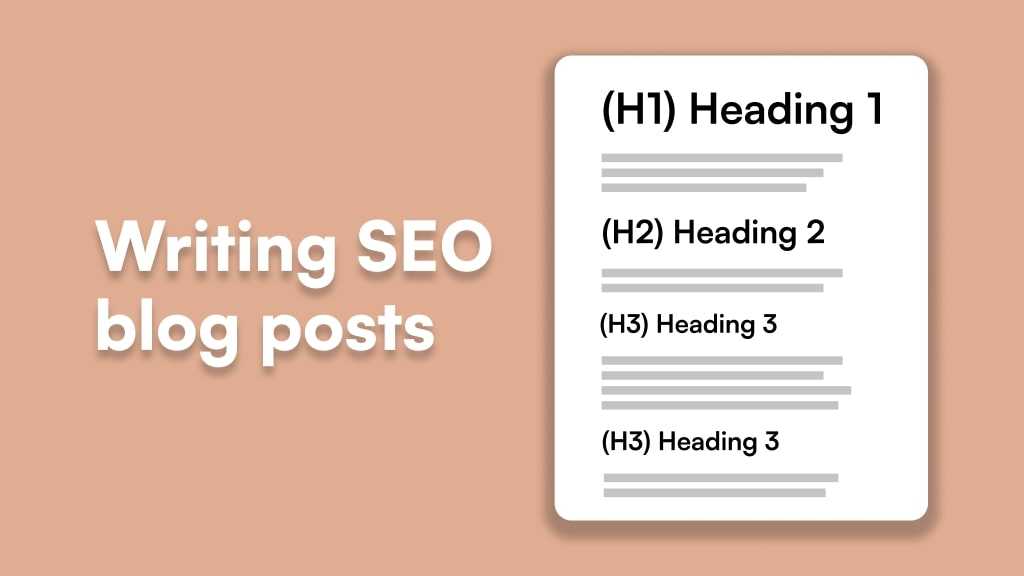
Organize your blog with a clear hierarchy using headings and subheadings. Proper structure helps search engines understand your content and enhances readability for visitors.
Using Headings Effectively
Start with an
for your main topic, then use
for subsections. Incorporate keywords into headings where relevant. This structure guides readers and boosts your SEO.
Creating Short Paragraphs and Clear Sections
Creating Short Paragraphs and Clear Sections
Break your content into short, digestible paragraphs. Use bullet points, numbered lists, and tables to present information clearly. This format makes your post easier to scan and read.
Optimizing Content with Keywords
Insert keywords thoughtfully into your content. Place them in the introduction, headings, and naturally within paragraphs. Avoid keyword stuffing, which can harm your rankings.
Using Latent Semantic Indexing (LSI) Keywords
Add related terms and phrases that support your main keywords. For example, if your keyword is “SEO basics,” include terms like “search engine optimization” or “ranking factors.” This improves content relevance.
Incorporating Internal and External Links
Link to other relevant pages within your website to keep visitors engaged and improve site structure. Use descriptive anchor text that includes keywords when appropriate. Also, reference reputable external sources to add authority and context.
Creating a Linking Strategy
Identify opportunities to link to your best content and useful external sites. Regularly update links to keep them relevant and functional. Proper linking helps search engines understand your content better.
Adding Visual Elements for Better Engagement
Images, infographics, and videos make your blog posts more engaging and easier to understand. Use descriptive alt text containing keywords for each visual element to boost SEO.
Optimizing Images for Search Engines
Compress images to improve page load speed, a factor search engines consider. Name image files with descriptive, keyword-rich titles. This enhances discoverability in image searches.
Ensuring Mobile-Friendliness
A responsive design ensures your blog looks good on all devices. Search engines prioritize mobile-friendly sites in rankings. Use tools like Google’s Mobile-Friendly Test to check your site’s performance.
Improving Site Speed
Fast-loading pages improve user experience and SEO rankings. Minimize code, leverage browser caching, and use content delivery networks (CDNs). Regularly test your site speed with tools like PageSpeed Insights.
Encouraging User Engagement
Interactive elements like comment sections and social sharing buttons increase engagement. Engagement signals can positively affect your rankings. Invite readers to comment and share your content.
Adding Clear Calls to Action
Guide readers to take specific actions, such as subscribing to a newsletter or downloading a resource. Clear CTAs can enhance user interaction and improve your site’s performance.
Using Schema Markup to Enhance Search Results
Schema markup adds extra information to your pages, helping search engines understand your content better. Use schemas for articles, reviews, or products depending on your niche. This can lead to rich snippets and higher visibility.
Implementing Structured Data Correctly
Follow schema.org guidelines and test your markup with Google’s Rich Results Test. Proper implementation enhances your chances of appearing in enhanced search listings.
Regularly Updating Your Content
Keep your blog posts fresh by adding new information and updating outdated details. Search engines favor current and relevant content. Regular updates also improve user trust and engagement.
Monitoring and Analyzing Performance
Use tools like Google Analytics and Search Console to track your content’s performance. Pay attention to metrics such as organic traffic, bounce rate, and conversion rates. Use insights to refine your SEO strategies.
Produce content that provides real value, such as how-to guides, case studies, or lists. Shareability increases backlinks and traffic, positively affecting your rankings. Include social sharing buttons to make sharing easy.
Designing for Readability
Use simple language, large fonts, and enough white space to make your blog accessible. Good readability keeps visitors engaged and encourages them to read more.
Writing SEO friendly blog posts involves a combination of keyword research, strategic content structure, and user-focused design. Focus on creating valuable, easy-to-read content that naturally incorporates keywords. Regularly update and analyze your posts to improve their performance. By following these practices, you will increase your blog’s visibility and attract more engaged readers.
How to Write SEO Friendly Blog Posts
Frequently Asked Questions
What are effective strategies to select keywords that will improve my blog’s visibility?
To choose the right keywords, start by researching your target audience’s search behavior. Use tools like Google Keyword Planner or SEMrush to identify terms with high search volume and low competition related to your niche. Incorporate long-tail keywords that match specific queries and consider trending topics to stay relevant. Including these keywords naturally within your content helps search engines understand your blog’s focus and increases its chances of ranking higher.
How can I structure my blog posts to enhance their SEO performance?
Organize your blog posts with clear headings and subheadings that incorporate relevant keywords. Use short paragraphs and bullet points to improve readability. Place important keywords within the first 100 words and throughout the content where applicable. Add internal links to other relevant articles on your website and include external links to reputable sources. This structure helps search engines crawl your content more efficiently and provides a better experience for readers.
What role do meta descriptions and titles play in creating SEO-friendly blog posts?
Meta titles and descriptions act as brief summaries that appear in search engine results. Craft compelling titles that include targeted keywords at the beginning to attract clicks. Write meta descriptions that accurately describe the content of your post using relevant keywords and a call-to-action if appropriate. Well-optimized meta tags increase your chances of standing out in search listings and improve your blog’s click-through rate.
How can I ensure my blog content remains engaging while optimized for SEO?
Create high-quality content that provides genuine value to your readers by addressing their questions and needs. Use natural language and avoid keyword stuffing to maintain readability. Incorporate visuals, such as images and videos, to complement your text and keep readers engaged. Focus on maintaining a clear, logical flow in your writing, which encourages visitors to stay longer on your page and share your content.
Final Thoughts
How to write SEO friendly blog posts involves choosing relevant keywords, structuring content clearly, and maintaining readability. Use the main keyword naturally throughout the post to improve visibility. Incorporate concise headings and optimize meta descriptions to attract clicks. Focus on providing valuable information that resonates with your audience. Ultimately, creating SEO friendly blog posts requires a balanced approach of quality content and strategic optimization.
Recommended SEO


