
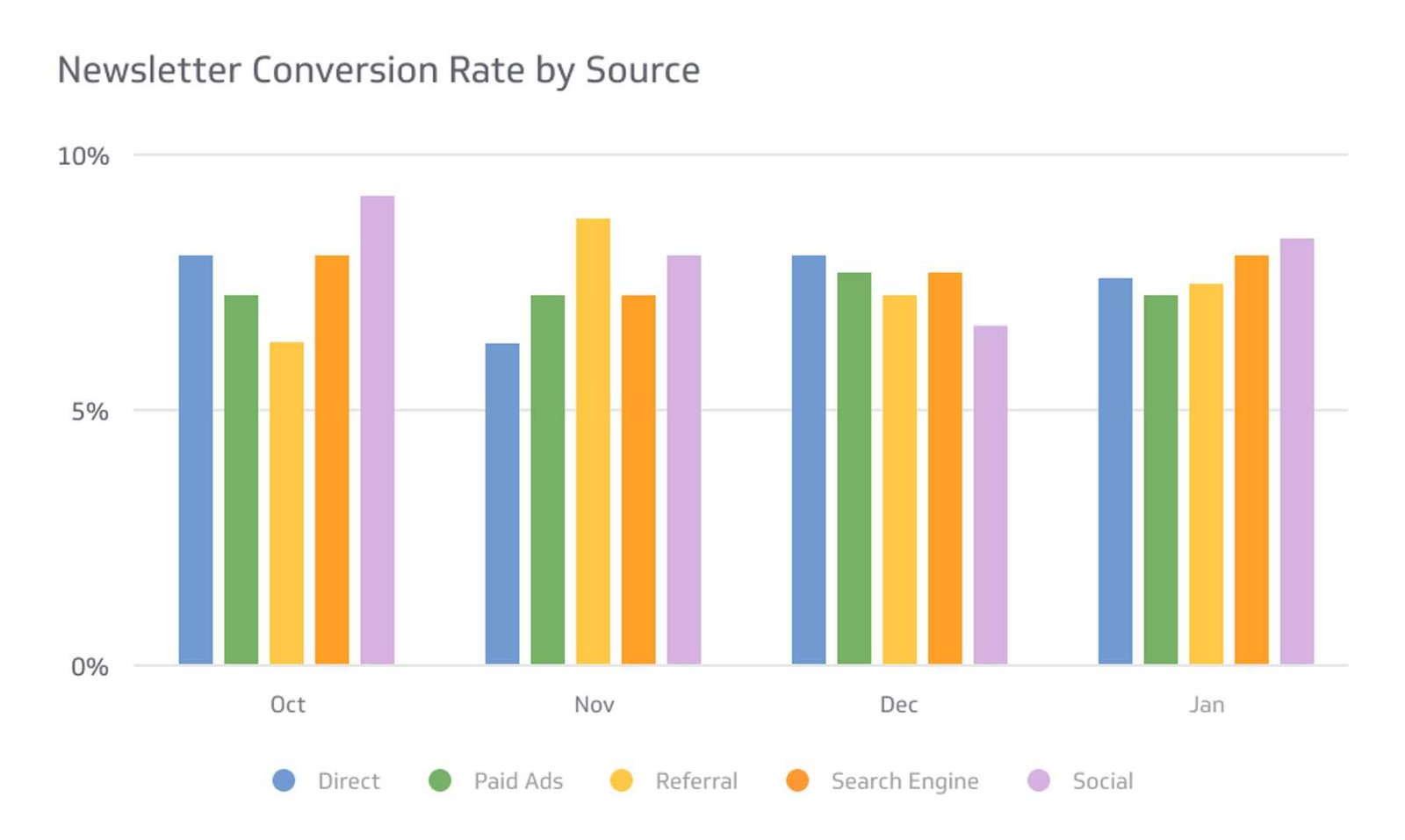
To boost your email signup conversion rates, focus on tracking user behavior meticulously and testing different strategies to see what resonates best. Simple tweaks like optimizing your signup forms, offering clear incentives, and analyzing data can significantly increase signups.
Tracking and improving email signup conversion rates involves understanding where your visitors drop off and what motivates them to sign up. By leveraging analytics tools and conducting A/B tests on your forms, incentives, and messaging, you can uncover insights that drive higher conversions. Small adjustments based on data can make a big difference in turning visitors into loyal subscribers.
Getting more visitors to sign up for your email list isn’t just about having a great offer; it’s about continuously monitoring the process and refining it for maximum results. Knowing the right metrics, testing different approaches, and understanding your audience’s preferences are all key to turning your signup page into a powerful lead-generation tool.

Tracking and improving email signup conversion rates
Understanding the importance of tracking email signup conversion rates
Tracking your email signup conversion rate helps you see how many visitors become subscribers. This data shows whether your current strategies work or need adjustments. Knowing your conversion rate helps prioritize efforts that increase email list growth effectively.
Key metrics to monitor for email signup success
Besides the conversion rate, keep an eye on metrics like visitor traffic, bounce rates at the signup page, and the number of new subscribers daily. These numbers reveal how well your landing pages attract and convert visitors. Monitoring these helps you identify areas for improvement quickly.
Tools for tracking email signup conversions
Use analytics tools like Google Analytics to track user behavior on your signup pages. Many email marketing platforms offer built-in reporting features that show conversion data. Combining these tools gives a complete picture of your signup performance.
Setting up conversion tracking correctly
Implement proper tracking codes on your signup buttons and pages. Use UTM parameters to trace traffic sources. Test your setup regularly to ensure data accuracy and avoid misleading results.
Analyzing the data for actionable insights
Look at where visitors drop off during the signup process. Identify which traffic sources bring in the most engaged subscribers. Use heatmaps to see where users click most on your signup form to optimize placement.
Optimizing your signup process to boost conversions
Make your signup forms simple and quick to fill out. Use clear calls to action that tell users exactly what to do. Eliminate unnecessary fields to encourage more signups and reduce form abandonment.
Designing effective signup forms
Use contrasting colors for your signup button to make it stand out. Position your form prominently on your page, preferably above the fold. Keep the form visually clean and free from clutter to avoid overwhelming visitors.
Offering incentives to increase signups
Provide valuable freebies like ebooks, discounts, or exclusive content. Make sure the incentive is relevant and enticing enough to motivate visitors to subscribe. Highlight these offers near your signup form for maximum visibility.
A/B testing to find what works best
Run split tests on different form designs, headlines, and calls to action. Measure which versions yield higher conversion rates. Use the winning elements across your campaign for better results.
Personalization and targeting for higher engagement
Tailor your signup prompts based on user behavior and preferences. Use dynamic content that appeals to different segments. Personalized messages encourage visitors to subscribe more than generic ones.
Include testimonials, subscriber counts, or trust badges on your signup page. Social proof reassures visitors that others trust your brand. It can significantly increase the likelihood of signups.
Reducing friction in the signup process
Minimize obstacles like lengthy forms or confusing instructions. Use single-field opt-in forms or social media logins. Making the process smoother decreases drop-offs and increases success rates.
Use action-driven phrases like “Join Now,” “Get Started,” or “Subscribe Today.” Pair these with bright, contrasting colors for visibility. Clear and direct CTAs guide visitors to complete signups.
Implementing exit-intent popups
Deploy popups that appear when visitors show signs of leaving your site. Offer a last-minute incentive or ask for feedback. These can recover potentially lost signups and improve overall rates.
Following up with new subscribers effectively
Send a welcome email immediately after sign-up. Welcome messages should reiterate the value of subscribing and introduce your brand. This positive first impression encourages ongoing engagement.
Continuous testing and refining strategies
Regularly review your signup metrics and experiment with new ideas. Small adjustments in wording, design, or offers can lead to significant improvements. Keep testing to stay ahead of changing visitor behaviors.
Understanding the impact of mobile optimization
Ensure your signup forms are mobile-friendly since many users access your site via smartphones. Use responsive design and simple forms to maximize conversions across devices. Mobile optimization is essential for capturing a wider audience.
Using analytics to identify high-performing traffic sources
Determine which channels—social media, organic search, paid ads—bring the best subscribers. Focus your efforts on these sources to improve your overall conversion efficiency. Allocate marketing budgets accordingly.
Creating seamless user journeys
Guide visitors logically from initial interest to signing up. Use clear navigation, engaging content, and targeted prompts. A smooth journey minimizes confusion and encourages completion.
Implementing multi-step signups for better engagement
Break your signup process into smaller steps to make it less daunting. This approach can increase overall completion rates and allow you to gather more information incrementally.
Monitoring competitors’ signup strategies
Analyze how successful brands design their signup pages. Identify best practices and gaps you can improve upon. Learning from competitors helps you stay competitive.
Analyzing feedback from subscribers
Collect feedback from new subscribers about their signup experience. Use surveys or direct messages to uncover issues. Addressing concerns improves your process over time.
The role of email list segmentation
Segment your subscribers based on interests, demographics, or behavior. Targeted campaigns improve engagement and reduce unsubscribe rates, leading to better conversion tracking.
Tracking and improving your email signup conversion rates requires consistent effort and analysis. Use the right tools to gather data, and continuously refine your approach based on insights. Focus on making the signup process simple, attractive, and trustworthy to increase your subscriber count and achieve better marketing results.
How To Increase Conversion Rate On Shopify (2025 CRO Guide)
Frequently Asked Questions
What metrics should I track to evaluate the effectiveness of my email signup forms?
To assess how well your email signup forms perform, focus on metrics such as conversion rate, which indicates the percentage of visitors who complete the signup process. Additionally, monitor bounce rates on the signup page to identify if visitors leave quickly, and analyze click-through rates for any call-to-action buttons. Tracking these metrics helps you pinpoint areas where the sign-up process can improve and measure the impact of changes you implement.
How can A/B testing help improve email signup conversions?
A/B testing allows you to compare different versions of your signup forms or landing pages to identify what appeals most to your audience. By testing variables like button colors, form length, copy, and placement, you gather data on what drives higher engagement. Implementing the winning variation from these tests leads to more visitors completing the signup process and increases overall conversion rates.
What steps can I take to reduce friction in the email registration process?
Start by simplifying your signup form, asking only for essential information to minimize barriers. Use clear and concise language for instructions and benefits, and ensure the form loads quickly on all devices. Providing social proof, such as testimonials or assurances about privacy, can also motivate visitors to sign up. Regularly review user feedback to identify and eliminate any confusing or frustrating elements in the process.
How important is the placement of the signup form on my website?
Strategic placement of your signup form significantly impacts its effectiveness. Position forms where visitors naturally focus, such as at the end of blog posts, in sidebars, or as a pop-up at appropriate times. Ensure the form is highly visible without disrupting the user experience. Testing different locations can reveal where your audience is most receptive, helping you increase sign-up rates.
What role does email confirmation play in improving sign-up conversions?
Using an email confirmation step confirms user intent and verifies the validity of each address. While it adds a slight extra step, it helps reduce spam signups and ensures your list comprises engaged users. To minimize drop-offs, make the confirmation process straightforward, and communicate clearly about the next steps. Proper implementation can boost the quality of your email list and maintain high conversion standards.
Final Thoughts
Tracking and improving email signup conversion rates helps identify what motivates users to subscribe. Analyzing data reveals which strategies lead to higher engagement. Consistently testing different approaches ensures continuous growth.
Focusing on these metrics encourages smarter marketing decisions. Regularly refining your methods increases signups and strengthens your email list. Ultimately, tracking and improving email signup conversion rates guarantees better results and a stronger connection with your audience.