
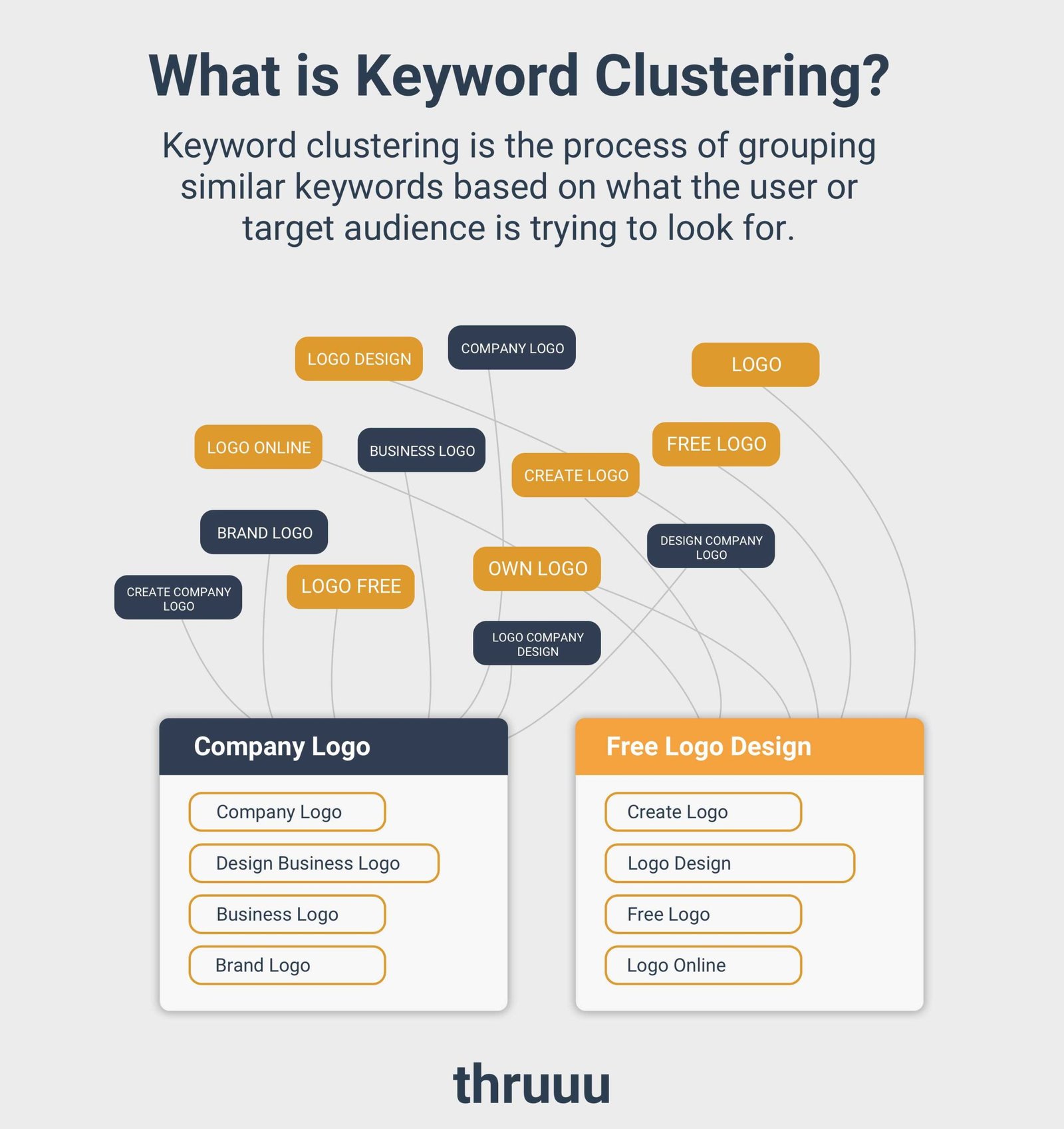
Boost your SEO results by harnessing the power of keyword clustering — it’s a game-changer in organizing and targeting your content more effectively. By grouping related keywords, you can create a more focused site structure, improve your chances of ranking higher, and better satisfy what your audience is searching for. Keyword clustering helps you identify content gaps, reduce keyword cannibalization, and build authority around core topics, making your SEO strategy smarter and more streamlined.
Using keyword clustering simplifies the chaos of SEO keyword lists, allowing you to group similar search terms into meaningful clusters. This approach not only improves your content planning but also enhances your chances of ranking on multiple related keywords, boosting visibility and traffic. Overall, it’s a smart technique to align your content with user intent, making your SEO efforts more effective.
Starting your SEO journey with keyword clustering is like organizing your tools before building—everything becomes more manageable and targeted. In this blog, we’ll explore how to leverage keyword clustering to refine your SEO strategy, helping you rank higher, attract more visitors, and turn your website into an authoritative source in your niche. Whether you’re a beginner or looking to sharpen your tactics, understanding this method can elevate your overall SEO game and deliver measurable results.

Using keyword clustering to improve SEO strategy
What is keyword clustering and why is it important?
Keyword clustering is the process of grouping related keywords into categories based on their similarities and relevance. This method helps organize your keyword research, showing which terms connect and support each other. It is important because it allows you to create more targeted content that better matches what your audience searches for.
By grouping related keywords, you can avoid keyword cannibalization. This happens when multiple pages compete for the same keyword, lowering your chances of ranking high. Clustering also helps Google understand your website better, leading to improved rankings overall.
How keyword clustering enhances SEO efforts
Using keyword clusters makes your SEO efforts more focused. Instead of optimizing for single keywords, you target groups of related terms. This approach increases your chances of ranking for a wider array of search queries. It also helps you identify content gaps and opportunities.
A well-structured keyword cluster allows your content to cover topics comprehensively. This makes your site more authoritative and trustworthy in the eyes of both users and search engines. Overall, keyword clustering creates a more organized SEO strategy that can boost your visibility.
Steps to create effective keyword clusters
Creating keyword clusters involves several clear steps. Start with thorough keyword research using tools like Google Keyword Planner, Ahrefs, or SEMrush. Gather a broad list of keywords relevant to your niche.
Next, analyze the keywords based on their similarity. Look for common themes, search intent, and semantic relationships. Use tools like keyword grouping features or manual sorting to organize related terms into clusters.
Once grouped, refine your clusters by removing overlapping or irrelevant keywords. Make sure each cluster has a clear main topic or intent. This clarity helps you develop targeted content aligned with each group.
Tools that facilitate keyword clustering
Many tools help automate and streamline the clustering process. Here are some popular options:
- SEMrush: Offers keyword grouping features based on search intent and topic relevance.
- Ahrefs: Provides data to help identify related keywords and potential clusters.
- Keyword Cupid: Specializes in semantic keyword grouping and clustering.
- AlsoAsked: Shows related questions, helping form clusters based on common queries.
- Excel or Google Sheets: Useful for manual organization and sorting of keywords into clusters.
Using these tools saves time and increases accuracy in your clustering approach. They can also provide insights into keyword difficulty and search volume.
Incorporating keyword clusters into content planning
Once you have your clusters, integrate them into your content calendar. Each cluster becomes a content topic or theme. Create a main pillar page that covers the broad subject of the cluster.
Develop supporting pages or blog posts that target individual keywords within each cluster. Link these pages back to the pillar page to create a strong internal linking structure. This strategy helps search engines understand the hierarchy and relationship of your content.
Ensure that each piece of content addresses the specific intent behind the clustered keywords. This focused approach improves relevance and user engagement.
Optimizing content around keyword clusters
When optimizing content, incorporate the main keywords of your cluster naturally within headings and throughout the text. Use variations and related terms to create semantic richness.
Include these keywords in key SEO elements like title tags, meta descriptions, headers, and URL slugs. Maintain a balance to avoid keyword stuffing, which can harm your rankings.
Use internal links to connect related pages within a cluster. External links to authoritative sources can also add value. Quality content that aligns with the cluster’s intent helps boost your rankings.
Measuring the success of keyword clustering strategies
Track how well your keyword clusters perform by monitoring important metrics. Check your rankings for the targeted keywords regularly. Use tools like Google Analytics or Search Console for insights.
Observe changes in organic traffic, especially for pages created within clusters. Look for increased engagement metrics such as time on site and lower bounce rates. This indicates your content meets user needs effectively.
Regularly review and update your clusters based on changing search trends or performance data. This ongoing process keeps your SEO strategy aligned with current search behaviors.
Common challenges in keyword clustering and how to overcome them
One challenge is accurately grouping keywords without missing relevant connections. To address this, use multiple data sources and verify clusters manually if needed. Combining automation with human judgment often yields the best results.
Another issue can be maintaining keyword relevance while avoiding keyword stuffing. Focus on natural language and user intent when creating content. Prioritize quality over keyword quantity for better engagement.
Lastly, staying updated with evolving search algorithms requires continuous learning. Follow industry blogs, attend webinars, and experiment with new tools to refine your clustering methods.
Future trends in keyword clustering and SEO
As search engines evolve, so will keyword clustering techniques. Voice search, for example, emphasizes natural language and long-tail keywords, prompting more conversational clustering approaches. AI and machine learning will become more integrated into keyword analysis, offering deeper insights.
Semantic search advances mean clusters will become more contextually relevant. The focus will shift from individual keywords to topics and user intent, leading to richer content strategies. Staying current with these trends ensures your SEO remains effective and competitive.
Summary
Keyword clustering simplifies the complex world of SEO by organizing related keywords into meaningful groups. It helps create targeted content, improves search engine understanding, and boosts your rankings. Use the right tools, follow structured steps, and continuously monitor performance to make your strategy succeed.
By focusing on clusters instead of isolated keywords, you build a comprehensive website architecture that appeals to both users and search engines. This approach leads to higher visibility, increased traffic, and stronger authority in your niche.
How to Rank for More Keywords with Keyword Clusters
Frequently Asked Questions
How does keyword clustering help identify content gaps on a website?
Keyword clustering groups related search terms, revealing areas where your website lacks targeted content. By analyzing these clusters, you can pinpoint topics that users are searching for but your site doesn’t adequately cover. This insight allows you to create new pages or optimize existing ones to better meet user intent and improve overall site relevance.
What are the best practices for organizing keywords into effective clusters?
Start by collecting a comprehensive set of relevant keywords. Use tools or manual analysis to identify keywords with similar themes or intent. Group these keywords based on their semantic relationships, search intent, and user behavior. Focus on creating clusters that align with your website’s structure and content strategy, ensuring each cluster addresses a specific topic comprehensively.
How can keyword clustering improve the targeting of long-tail keywords?
By analyzing clusters, you identify opportunities to target specific long-tail keywords that share a common theme. Incorporating these keywords into dedicated pages or sections helps attract more qualified traffic, as long-tail keywords tend to have lower competition and higher conversion potential. Clustering also ensures your content addresses nuanced user queries effectively.
In what ways does keyword clustering support ongoing SEO efforts?
Keyword clustering provides a clear framework for content planning and optimization. It helps you prioritize topics based on search volume, relevance, and competition. Regularly updating clusters ensures your SEO strategy adapts to changing search trends and user behaviors, maintaining your site’s relevance and visibility over time.
How can keyword clustering enhance internal linking strategies?
Organizing keywords into clusters allows you to connect related content through internal links logically. Linking relevant pages within the same cluster improves navigation for users and distributes PageRank effectively across your site. This interconnected structure helps search engines understand your site’s topic hierarchy and improve overall indexing.
Final Thoughts
Using keyword clustering to improve SEO strategy simplifies content organization, making it easier to target relevant topics. It helps identify related keywords, which enhances your site’s relevance and authority. This technique ensures your content covers broader search intents and improves rankings. Focusing on keyword clustering enables more precise, effective SEO efforts and better user engagement.
Recommended SEO


