

Quick Summary: In email marketing, “cleaned” means your list has been scrubbed of invalid, undeliverable, or inactive email addresses. This “shocking truth” is that a clean list is your secret weapon for better engagement, higher deliverability, and boosted ROI.
Hey there! Feeling a little lost in the world of email marketing jargon? You’re not alone. Terms like “cleaned” can sound a bit mysterious, especially when you’re just starting out or trying to improve your campaigns. It’s easy to get overwhelmed with all the technical stuff. But don’t worry, I’m here to break it all down for you. Think of me as your friendly guide, here to make email marketing simple, exciting, and focused on growth. We’ll tackle this “cleaned” concept together, step by step. By the end of this, you’ll understand exactly what it means and why it’s so important for your success!
Unpacking the “Cleaned” Email List: What It Really Means
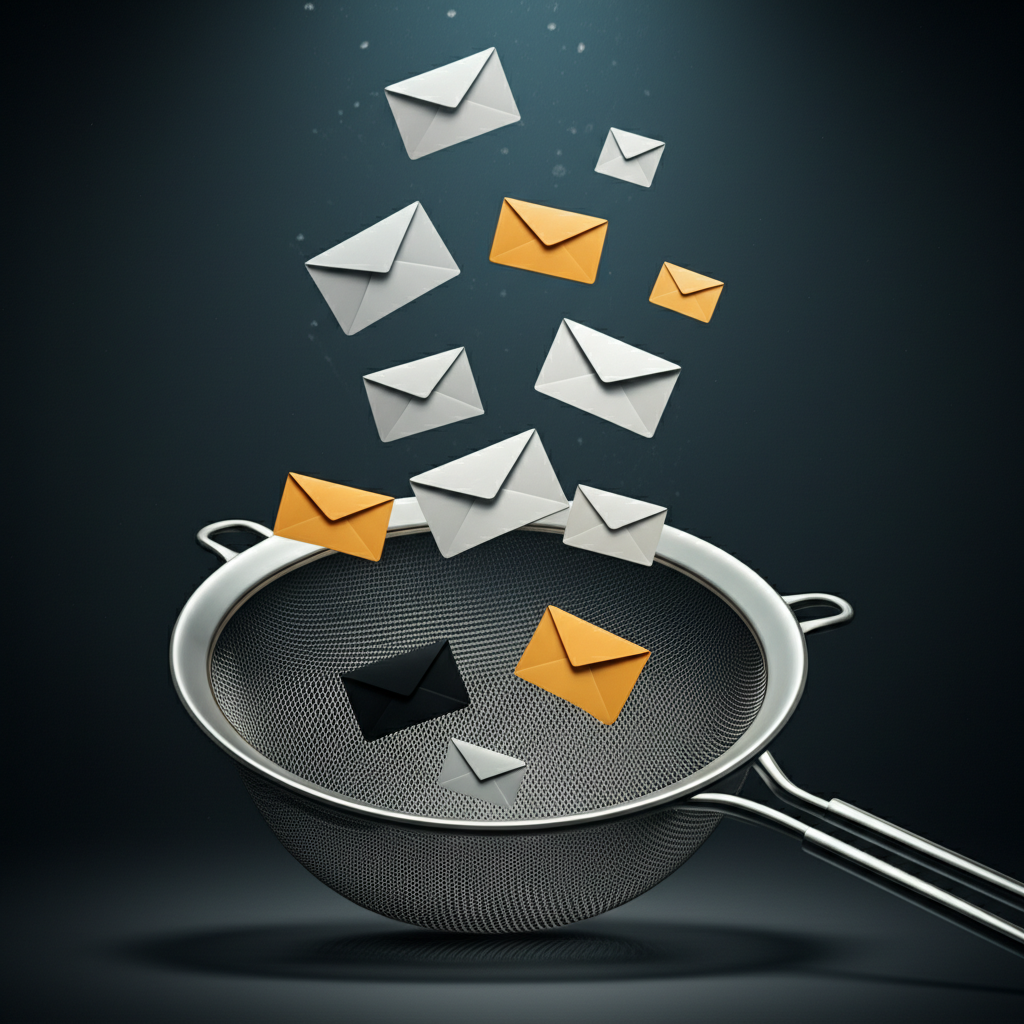
So, what exactly does “cleaned” mean in email marketing? It’s not about giving your subscriber list a virtual bath! It’s a crucial process of identifying and removing email addresses that are no longer valid or likely to engage. This includes addresses that bounce, are marked as spam, or haven’t opened your emails in a very long time. A clean list is the foundation of any successful email marketing strategy.
Why is this so important? Because sending emails to invalid or uninterested addresses can seriously harm your sender reputation. This means your future emails might end up in the spam folder, or worse, not get delivered at all. It’s like shouting into a void – a waste of your time, effort, and money. Keeping your list clean ensures you’re reaching people who actually want to hear from you.
The Shocking Truth: Why List Cleaning Isn’t Just “Nice to Have”
Here’s the “shocking truth” you might not be expecting: ignoring list cleaning can be a silent killer of your email marketing campaigns. Many beginners focus solely on growing their list, which is great, but they forget about the health of the list they already have. This can lead to:

- Low Engagement Rates: Sending to inactive subscribers drags down your open and click-through rates.
- High Bounce Rates: Repeatedly sending to invalid addresses signals to ISPs (Internet Service Providers) that you’re not managing your list properly.
- Damaged Sender Reputation: This is the big one! ISPs monitor your sending habits. A bad reputation means your emails are more likely to be flagged as spam.
- Wasted Money: Many email marketing platforms charge based on the size of your list. You’re paying to send emails to people who will never open them.
- Inaccurate Analytics: Low engagement rates can skew your data, making it harder to understand what’s truly working.
Think of your email list like a garden. You need to weed out the dead plants (unresponsive subscribers) to give the healthy ones (engaged subscribers) room to grow and flourish. It’s about quality over quantity.
Who Cleans Your List and How?
When we talk about “cleaning” an email list, it’s often a combination of your email service provider (ESP) and your own proactive efforts. Your ESP plays a significant role in flagging certain types of invalid addresses.
Role of Your Email Service Provider (ESP)
Most reputable ESPs automatically handle some level of list cleaning for you. They monitor:
- Hard Bounces: These are permanent delivery failures, usually due to an invalid email address (e.g., misspelled domain, non-existent user). Your ESP will typically suppress these addresses from future sends.
- Spam Complaints: When a recipient marks your email as spam, your ESP registers this. Too many complaints can severely damage your sender reputation.
- Unsubscribes: This is a clear signal that someone no longer wants to receive your emails. Your ESP automatically processes these requests.
Some advanced ESPs might also offer features to help identify and manage “soft bounces” (temporary delivery issues) or inactive subscribers. However, they can’t read minds, so you still need to be strategic.
Your Proactive Cleaning Efforts
Beyond what your ESP does automatically, you can take active steps to keep your list pristine:
- Regularly review bounce reports: Understand why emails are bouncing.
- Monitor spam complaint rates: Investigate if a particular campaign triggered more complaints.
- Implement re-engagement campaigns: Try to win back inactive subscribers.
- Use double opt-in: This ensures subscribers genuinely want to join and provide a valid email address from the start.
- Set up automated cleanup rules: Many ESPs allow you to automatically remove subscribers who haven’t engaged after a certain period.
Types of “Bad” Emails You Need to Remove
Understanding the different categories of emails that get removed or suppressed helps you appreciate the cleaning process. These are the usual suspects that end up on the “cleaned” list:
- Hard Bounces: As mentioned, these are permanent rejections. The email address simply doesn’t exist or is invalid. Think of it like trying to mail a letter to a house that’s been demolished.
- Soft Bounces: These are temporary issues, like a full inbox, a server being down, or an email being too large. While not permanent, repeated soft bounces can indicate an address that’s no longer actively managed or is problematic.
- Spam Traps: These are email addresses specifically set up by anti-spam organizations to catch spammers. If you send to a spam trap, it’s a huge red flag to ISPs. They are often old, unused email addresses that have been reactivated.
- Invalid/Typo Emails: Simple mistakes happen, like “gmial.com” instead of “gmail.com,” or addresses that just don’t exist.
- Role-Based Emails: Addresses like “info@,” “support@,” or “admin@” can sometimes be less engaged and more prone to bounces or spam complaints, especially if they’re shared.
- Inactive Subscribers: This is where your strategy comes in. These are people who were engaged but haven’t opened or clicked your emails in a significant period (e.g., 6 months, a year). They might still have a valid address, but they’re no longer interested.
How to Conduct a List Hygiene Audit
A list hygiene audit is essentially a deep dive into your subscriber list to identify and remove the dross. It’s a proactive way to ensure your campaigns are as effective as possible. Here’s a simple approach:
- Segment Your List: First, segment your subscribers based on engagement. Look at who opened your last 5, 10, or even 20 emails. Also, identify those who haven’t opened anything in a long time.
- Analyze Bounce Reports: Go into your ESP’s reports and look at your bounce rates. Pay attention to the reasons for hard bounces.
- Check for Spam Complaints: Most ESPs provide a metric for spam complaints. A low number is good, but even a few can be a warning sign.
- Review Unengaged Subscribers: Decide on a timeframe for inactivity (e.g., 6 months) and identify everyone who falls into that category.
- Plan a Re-engagement Campaign: Before you simply delete inactive subscribers, try to win them back. Send a special campaign asking if they still want to hear from you, perhaps with a special offer.
- Remove Unresponsive Subscribers: If subscribers don’t respond to your re-engagement campaign, it’s time to let them go. They are dragging down your metrics and potentially hurting your deliverability.
- Clean Up Invalid Emails: Your ESP usually handles hard bounces, but it’s good practice to ensure they are suppressed.
Tools to Help You Keep Your List Clean
While your ESP is your primary tool, there are other services that can help with more advanced list cleaning and verification. These can be especially useful if you’re dealing with very large lists or have had deliverability issues in the past.
- Your Email Service Provider (ESP): As discussed, tools like Mailchimp, ConvertKit, ActiveCampaign, and HubSpot have built-in features for managing bounces and unsubscribes.
- Third-Party Email Verification Services: Tools like ZeroBounce, NeverBounce, and Hunter.io can connect to your ESP or allow you to upload lists for more in-depth verification. They can identify a wider range of invalid or risky email addresses.
These third-party services can be incredibly valuable. They often use multiple checks to verify email addresses, going beyond simple bounce data. This can help you catch addresses that might pass initial checks but are still problematic.
A Look at Popular Email Marketing Platforms and Their Cleaning Features
Every ESP has a slightly different approach to list management and cleaning. Here’s a quick comparison of what some popular platforms offer:
| Platform | Automated Bounce Handling | Spam Complaint Tracking | Segmentation Capabilities | Re-engagement Tools | Third-Party Integrations |
|---|---|---|---|---|---|
| Mailchimp | Yes (automatically suppresses hard bounces) | Yes (tracks complaints, warns for high rates) | Yes (robust segmentation based on various criteria) | Yes (can create automated workflows for re-engagement) | Yes (integrates with many verification services) |
| ConvertKit | Yes (suppresses hard bounces) | Yes (monitors complaints) | Yes (tag-based system is very flexible) | Yes (easy to set up automated sequences) | Yes (integrates with popular tools) |
| ActiveCampaign | Yes (handles bounces) | Yes (tracks complaints) | Yes (very advanced segmentation and automation) | Yes (powerful automation for win-back campaigns) | Yes (wide range of integrations) |
| HubSpot | Yes (manages bounces) | Yes (tracks spam complaints) | Yes (extensive CRM-based segmentation) | Yes (automation workflows can be built for re-engagement) | Yes (connects with many apps) |
As you can see, most major ESPs provide the core functionality you need. The key is to actively use these features and develop a strategy around them. For instance, ActiveCampaign’s advanced automation can be a game-changer for sophisticated re-engagement campaigns.
The Impact of a Clean List on Your Sender Reputation
Your sender reputation is like your credit score with Internet Service Providers (ISPs) like Gmail, Outlook, and Yahoo. A good reputation means your emails are trusted and delivered to the inbox. A bad reputation means your emails are viewed with suspicion and likely sent to spam.
Here’s how a clean list directly impacts your reputation:
- Fewer Bounces: When you remove invalid addresses, your bounce rate drops. This tells ISPs you’re sending to real people.
- Fewer Spam Complaints: By only sending to engaged subscribers, you reduce the chances of people marking your emails as spam.
- Higher Engagement: More opens and clicks signal to ISPs that your content is relevant and wanted by your audience.
Think of it this way: if you constantly send mail to addresses that don’t exist or to people who immediately throw it away, the post office will eventually stop delivering your mail promptly. It’s the same with email. A clean list is your passport to the inbox.
When to “Clean” Your List: Best Practices
List cleaning isn’t a one-time event; it’s an ongoing process. However, there are specific times when it’s particularly crucial.
Regularly Scheduled Cleanups
It’s a good idea to perform a more thorough list hygiene audit every 3-6 months. This helps catch any accumulated inactive subscribers or addresses that have become problematic over time. This routine maintenance keeps your list healthy and your sender reputation strong.
Before a Major Campaign or Re-engagement Push
If you’re planning a significant promotion, a product launch, or a large-scale re-engagement campaign, cleaning your list beforehand is wise. It ensures you’re sending your most important messages to your most receptive audience.
After Acquiring a New List (with Caution!)
If you’ve acquired a list through a partnership or purchase (which we generally advise against for organic growth!), an immediate and thorough cleaning is non-negotiable. However, be aware that purchased lists often come with significant risks and may already be compromised.
When You Notice Declining Metrics
If you see a sudden drop in your open rates, click-through rates, or an increase in bounces and complaints, it’s a clear signal that your list needs immediate attention. This is your ESP or your analytics telling you something is wrong.
The “Shocking” Downside of Not Cleaning
Let’s reiterate the consequences of neglecting list hygiene. It’s not just about slightly lower numbers; it can snowball into serious problems.
Imagine you’re paying $50 a month for your ESP, and you have 5,000 subscribers. If 2,000 of those subscribers are inactive or invalid, you’re essentially paying for 2,000 non-performing contacts. That’s a significant chunk of your budget going to waste.
Moreover, consistently sending to a dirty list can lead to:
- Deliverability Issues: Your emails start going to spam folders, missing your engaged subscribers.
- Account Suspension: Some ESPs have strict policies against maintaining unhygienic lists. Repeated violations can lead to your account being suspended or even terminated.
- Missed Opportunities: Every email that doesn’t reach the inbox is a missed opportunity for a sale, a lead, or building a connection.
The “shocking truth” is that a bloated, uncleaned list isn’t a sign of success; it’s a ticking time bomb for your email marketing efforts. Focus on building a smaller, highly engaged list instead of a large, inactive one.
Frequently Asked Questions About “Cleaned” Email Lists
Let’s tackle some common questions that pop up when you’re diving into list cleaning.
How do I start with email marketing on a budget?
Great question! Many ESPs offer free plans for small lists (e.g., under 1,000 or 2,000 subscribers). Platforms like Mailchimp, MailerLite, and Brevo (formerly Sendinblue) are excellent starting points. Focus on building your list organically through your website, social media, or lead magnets. As you grow, you can reinvest in paid plans.
How can I write engaging subject lines?
Engaging subject lines are key to getting opens! Keep them concise, clear, and curiosity-provoking. Use personalization (like the subscriber’s name), highlight benefits, or create a sense of urgency. Avoid spammy words or excessive punctuation. Testing different subject lines with A/B testing is the best way to see what resonates with your audience.
How often should I email my subscribers?
There’s no one-size-fits-all answer, but consistency is more important than frequency. Aim for a schedule you can maintain, whether it’s weekly, bi-weekly, or monthly. Pay attention to your audience’s engagement. If they’re opening and clicking, you’re likely on the right track. If engagement drops, consider adjusting your frequency. For more on this, check out Campaign Monitor’s insights on email frequency.
How do I measure success without overcomplicating analytics?
Start with the basics! Your main metrics are Open Rate (percentage of people who opened), Click-Through Rate (CTR – percentage who clicked a link), and Conversion Rate (percentage who completed a desired action, like a purchase). Also, keep an eye on your bounce rate and unsubscribe rate. These give you a clear picture of how your emails are performing and how your list is responding.
How can I improve my open rates and avoid spam filters?
Improving open rates comes down to compelling subject lines and consistent, valuable content that subscribers look forward to. To avoid spam filters: always get explicit permission to email (opt-in), keep your list clean, avoid spam trigger words, send from a reputable domain, and ensure your emails are mobile-friendly. Building a good sender reputation is your best defense.
What’s the difference between a hard bounce and a soft bounce?
A hard bounce is a permanent failure, meaning the email address is invalid or doesn’t exist. Your ESP will usually remove these automatically. A soft bounce is a temporary issue, like a full inbox or a server problem. While not immediately removed, if an address consistently soft bounces, it should eventually be cleaned.
Should I ever buy an email list?
Generally, no. Buying email lists is a risky practice. The people on those lists haven’t given you permission to email them, leading to high spam complaints, low engagement, and damage to your sender reputation. It can even get your ESP account suspended. Focus on building your list organically with valuable content and opt-ins.
Conclusion: Your Clean List, Your Growth Engine!
So, there you have it! “Cleaned” in email marketing means having a healthy, engaged list of subscribers who genuinely want to hear from you. It’s not just about removing errors; it’s about nurturing your audience and ensuring your message gets heard. The “shocking truth” is that this simple practice is one of the most powerful levers you have for boosting your deliverability, improving engagement, and ultimately, driving more growth for your business.
Remember, building a great email list is an ongoing journey, not a destination. Keep practicing these list hygiene habits, pay attention to your analytics, and don’t be afraid to experiment. Every clean email you send is a step closer to building a thriving community around your brand. You’ve got this!