

Quick Summary
A/B testing in email marketing means sending two versions of an email to a small group of your subscribers to see which one performs better. You then send the winning version to the rest of your list. It’s a simple way to make your emails get more opens and clicks, helping you connect better with your audience and grow your business.
Hey there! I’m Jack, your friendly guide to making email marketing easy and fun.
Ever feel like sending emails is a bit of a guessing game? You put in the work, write something you think is great, and then… you just hope people open it and click around. It can be a little confusing, right?
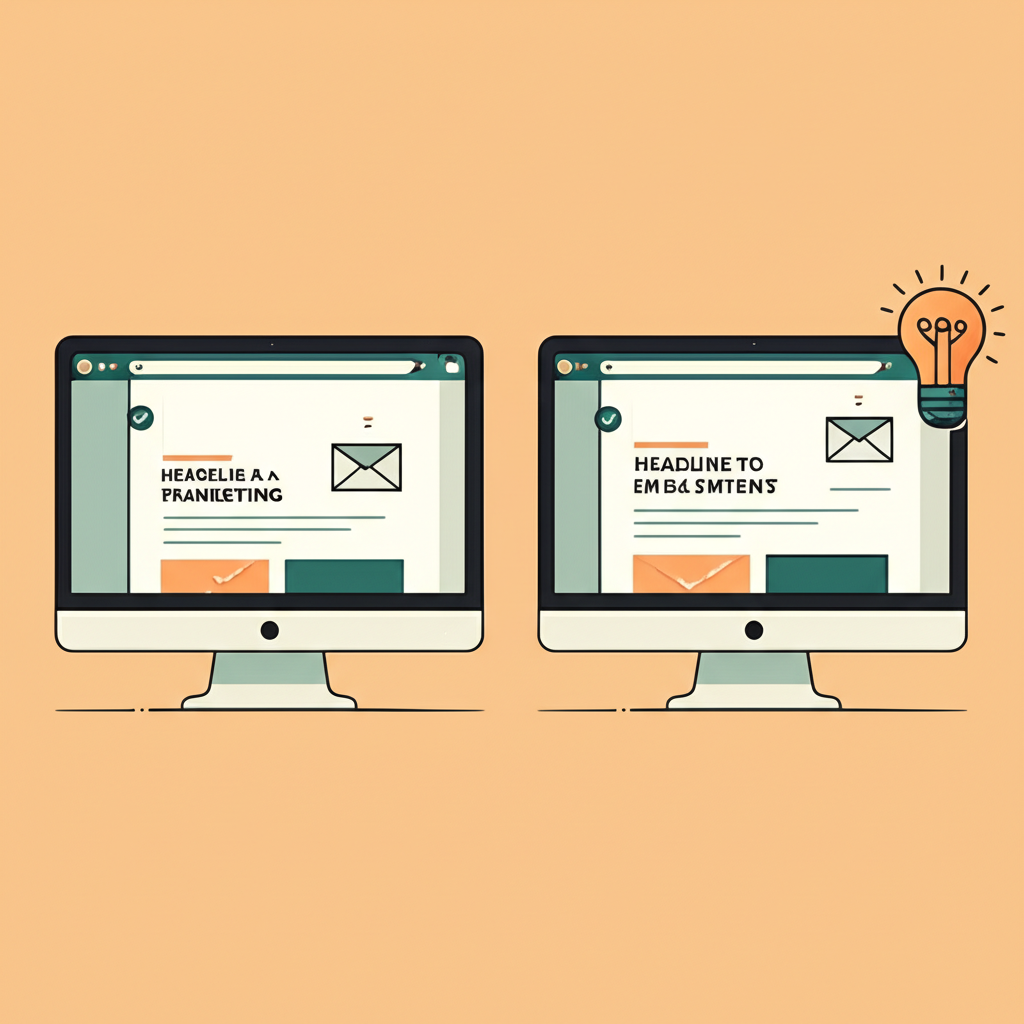
What if I told you there’s a way to take the guesswork out of it? A way to know for sure what your subscribers love and what makes them tick? That’s where A/B testing comes in, and trust me, it’s simpler than it sounds!
In this guide, we’ll break down what A/B testing is in email marketing. We’ll explore how it helps you win more often and show you easy ways to get started. Get ready to make your emails shine!
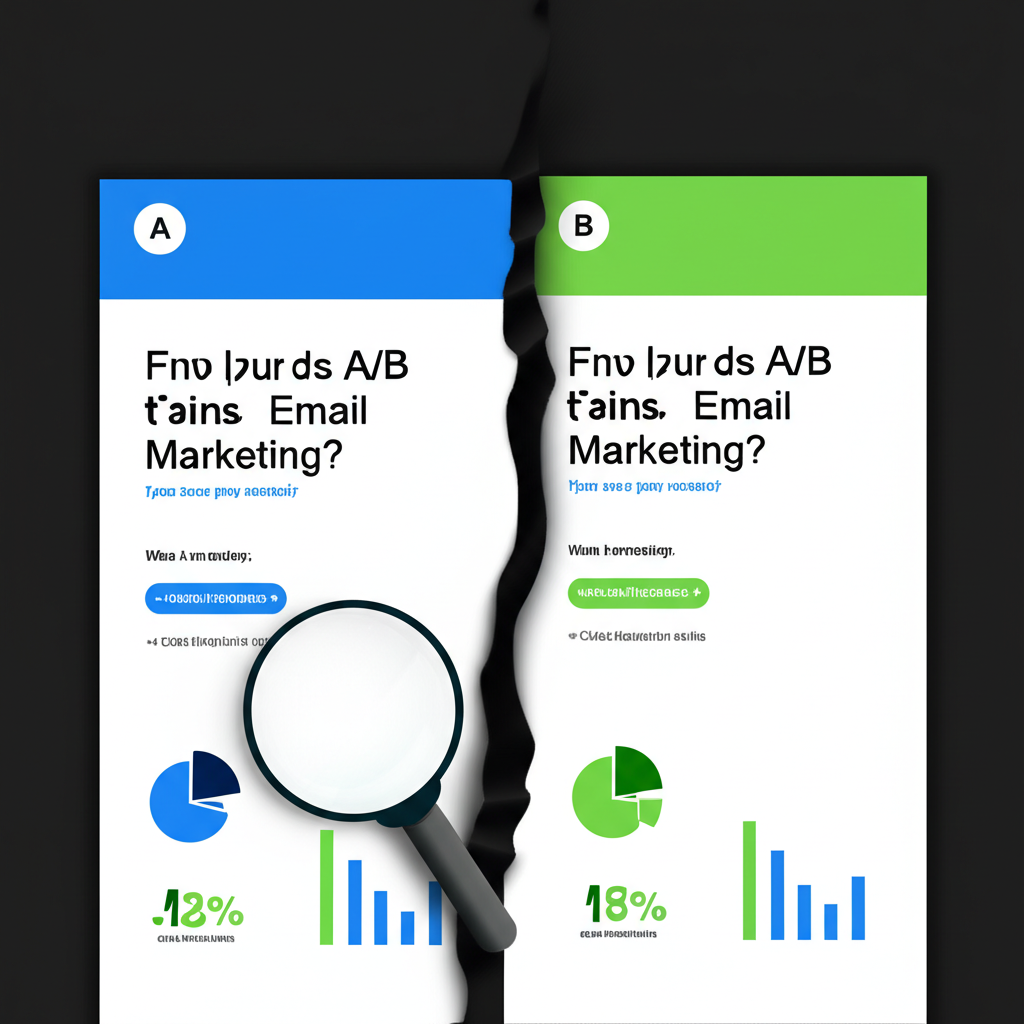
What Exactly Is A/B Testing in Email Marketing?
Think of A/B testing like trying out two different outfits before a big party to see which one gets more compliments. In email marketing, A/B testing is super similar. It’s a way to test two versions of an email element to see which one works best.
You create two versions of an email, call them Version A and Version B. They are exactly the same, except for one single thing you want to test. This could be the subject line, a button color, an image, or even the time you send the email.
Then, you send Version A to a small part of your email list and Version B to another small part. Whichever version gets a better response – like more opens or more clicks – is the winner!
You then send that winning version to the rest of your subscribers. It’s like asking your friends which outfit looks better and then wearing the one they liked most. Easy peasy!
Why Bother With A/B Testing? Proven Wins for Your Emails!
You might be thinking, “Why go through the trouble of sending two emails when one will do?” Great question! The answer is simple: A/B testing helps you win. It’s not about making things complicated; it’s about making your emails work harder for you.
Here’s why it’s a game-changer:
- Understand Your Audience Better: You learn what actually grabs their attention.
- Boost Your Open Rates: A catchy subject line can make all the difference.
- Increase Click-Through Rates: A clear call-to-action can get more people clicking.
- Improve Conversions: More clicks often lead to more sales or sign-ups.
- Reduce Spam Complaints: Sending relevant content means fewer people mark you as spam.
- Save Time and Money: By knowing what works, you send more effective emails from the start.
It’s all about making small changes that lead to big improvements over time. You’re not just sending emails; you’re having smarter conversations.
What Can You Actually Test in Your Emails?
Almost anything in your email can be A/B tested! The key is to test only one thing at a time. If you change too many things, you won’t know which change made the difference. Here are some popular things people love to test:
1. Subject Lines
This is often the first thing people see. A great subject line can make someone open your email, while a boring one can make them scroll right past.
Examples to test:
- Personalized vs. non-personalized (e.g., “Hi Sarah, check this out!” vs. “Check this out!”)
- Question vs. statement (e.g., “Need a boost?” vs. “Boost your productivity now.”)
- Urgency vs. benefit (e.g., “Last chance! Sale ends tonight!” vs. “Save 20% on your next order.”)
- Emojis vs. no emojis (e.g., “🎉 Big news inside!” vs. “Big news inside.”)
2. From Name
Who is the email coming from? Sometimes changing this can make a difference.
Examples to test:
- Your Name vs. Your Company Name (e.g., “Jack from LTDWave” vs. “LTDWave”)
- Company Name vs. Team Name (e.g., “LTDWave Support” vs. “The LTDWave Team”)
3. Email Content
This is the body of your email. You can test different messages, tones, or even the length.
Examples to test:
- Short and punchy vs. longer and detailed
- Benefit-driven copy vs. feature-driven copy
- Humorous tone vs. professional tone
This is the button that tells people what to do next, like “Shop Now” or “Learn More.”
Examples to test:
- Button text (e.g., “Get Your Free Guide” vs. “Download Now”)
- Button color (e.g., bright orange vs. bold blue)
- Button placement (e.g., at the top vs. at the bottom of the email)
5. Images and Graphics
Visuals can make an email more engaging. See what resonates with your audience.
Examples to test:
- Using an image vs. using a GIF
- Different types of images (e.g., product photo vs. lifestyle photo)
- Image with a caption vs. image without a caption
6. Send Time and Day
When you send your email can impact who opens it. This often depends on where your subscribers live and their daily routines.
Examples to test:
- Weekday morning vs. weekday afternoon
- Tuesday vs. Thursday
- During work hours vs. evenings
How to Do A/B Testing: A Simple Step-by-Step Guide
Ready to give it a try? It’s not as scary as it sounds. Most email marketing tools make it pretty easy. Here’s how you can do it:
Step 1: Decide What to Test
Start with something simple. For beginners, testing the subject line is a great first step. It’s easy to change and often has a big impact.
Step 2: Create Your Two Email Versions
In your email marketing software, you’ll usually find an option to create an A/B test. You’ll set up your original email (Version A) and then create a copy for Version B, making just one change you want to test.
For example, if you’re testing subject lines, Version A will have “Our New Arrivals Are Here!” and Version B will have “Fresh Styles Just Landed! 🤩”. Everything else in the email should be identical.
Step 3: Choose Your Audience Segment
You don’t send the test to your whole list at once. You’ll pick a small percentage of your subscribers for the test. This could be 10% or 20% of your list. Your email tool will automatically split this group into two for Version A and Version B.
Step 4: Set Your Winning Criteria
How will you know which email won? You need to tell your email tool what to look for. This is usually based on the highest open rate or click-through rate.
For example, you might say, “The email with the highest open rate wins.”
Step 5: Send and Wait (Just a Little!)
Once you set everything up, you launch your test. Your email tool will send Version A and Version B to your small test groups. It will then wait for a set amount of time (usually a few hours) to collect the data.
Step 6: Send the Winner to the Rest
After the test period, your email marketing software will automatically identify the winning email based on your criteria. It will then send that winning version to the rest of your subscriber list. You don’t have to do anything extra!
Step 7: Review Your Results
After the entire campaign is sent, take a moment to look at the results. Note down what worked and what didn’t. This is how you learn for your next test!
A/B Testing in Action: Real-Life Examples
Let’s look at a couple of scenarios where A/B testing can bring home the win.
Scenario 1: Subject Line Surprise
Imagine you have a new product launch. You’re excited, but you want to make sure people open your announcement email.
| Version | Subject Line | Test Result | Action |
|---|---|---|---|
| A | New Product Launch! | 8% Open Rate | Send Version B to the rest of the list. |
| B | 🚀 Big News! Our Game-Changing Product is Here! | 15% Open Rate |
Wow! Version B with the emoji and more exciting language got almost double the opens. This means more people saw your announcement. Great job, you!
You’re sending out a newsletter with a link to a helpful blog post. You want more people to click through and read it.
| Version | CTA Button | Test Result | Action |
|---|---|---|---|
| A | “Read More” (Blue Button) | 3% Click-Through Rate | Send Version B to the rest of the list. |
| B | “Read the Full Story” (Bright Orange Button) | 5% Click-Through Rate |
See? A slightly different button text and a brighter color made a noticeable difference in clicks. More readers are now getting the valuable content you’re sharing.
Tools to Help You A/B Test
You don’t need to be a tech wizard to do A/B testing. Most popular email marketing platforms have built-in A/B testing features. Here are a few friendly options:
| Email Tool | What Makes It Great for Beginners | A/B Testing Feature |
|---|---|---|
| Mailchimp | Very user-friendly interface, lots of guides and support. Great for starting out. | Offers A/B testing for subject lines, from names, and send times. |
| MailerLite | Simple, clean design, and affordable plans, including a free one. Easy to navigate. | Includes A/B testing for subject lines and sender names. |
| HubSpot (Marketing Hub) | Powerful all-in-one marketing tool with excellent CRM integration. Can grow with you. | Advanced A/B testing for emails, including content and design elements. |
| ConvertKit | Designed for creators, very intuitive for bloggers and online business owners. | Allows A/B testing on subject lines. |
Many of these tools offer free plans or trials, so you can test them out to see which one feels like home for your business.
Tips for A/B Testing Success
Here are a few extra tips to make your A/B testing journey smooth and successful:
- Test One Thing at a Time: I can’t stress this enough! If you change the subject line AND the CTA button, you won’t know which one made the difference.
- Test Enough People: Make sure your test group is large enough to give you reliable results. A tiny group might give you random wins that don’t mean much.
- Give it Enough Time: Don’t check results after just an hour. Let your emails run for a few hours, or even a full day, to capture different time zones and user habits.
- Be Consistent: Keep testing regularly. The more you test, the more you learn about your audience, and the better your emails will get.
- Don’t Be Afraid to Fail: Not every test will be a winner. Sometimes Version B performs worse than Version A. That’s okay! You still learned something valuable.
- Look Beyond Opens and Clicks: While open and click rates are important, think about the ultimate goal. Did the winning email lead to more sales or sign-ups?
You can learn more about best practices for email marketing from resources like the HubSpot Email Marketing Benchmarks guide.
Frequently Asked Questions (FAQ)
Here are some common questions beginners have about A/B testing:
How can I start email marketing with no money?
You can start with free email marketing tools like MailerLite or Mailchimp. They offer free plans for small lists. Focus on building your email list organically by offering value on your website or social media. Even with a small list, you can start learning what works!
How do I write subject lines people click?
To write clickable subject lines, be clear, create curiosity, and offer value. Use personalization if you can. Keep it short and sweet, especially for mobile. Emojis can help grab attention, but use them wisely! Testing is key to finding what your audience loves.
How often should I email my list?
There’s no single right answer. It depends on your audience and what you offer. Some businesses email daily, others weekly or monthly. The most important thing is to provide value consistently. Start with a schedule you can stick to, and always ask for feedback.
How do I know if my email is working?
You know your email is working by looking at your email marketing reports. Key metrics include open rates (how many people opened it), click-through rates (how many clicked a link), conversion rates (how many completed your goal, like a purchase), and unsubscribe rates (how many opted out). A/B testing helps you improve these numbers!
How do I stop my emails from going to spam?
To avoid the spam folder, always get permission before adding someone to your list. Send valuable content that your subscribers want. Use a clear “unsubscribe” link. Keep your email list clean by removing inactive subscribers. And always A/B test to see what content resonates best!
You’ve Got This!
See? A/B testing in email marketing isn’t some complex science experiment. It’s a friendly way to get to know your subscribers better and make your emails more impactful.
By testing small things, you can unlock big wins like more opens, more clicks, and a stronger connection with the people who want to hear from you. It’s about making smart, simple choices that help you grow.
So, take a deep breath, pick one thing to test in your next email, and dive in! You’ll be surprised at how much you learn and how much better your emails can perform. Happy testing, and may your emails always find their way to an open inbox!