

Account-Based Email Marketing in SaaS is a targeted strategy that focuses on personalizing email outreach to specific, high-value accounts rather than broad audience segments. It’s about treating each key prospect like a VIP to drive deeper engagement and conversions.
Hey there! In the whirlwind of SaaS marketing, it’s easy to feel like you’re shouting into the void, hoping your message lands with the right people. You might be wondering about all these fancy terms flying around, like “account-based marketing” or “ABM.” It can feel a bit overwhelming, right? Don’t worry, I’ve got your back!
Today, we’re going to break down exactly what Account-Based Email Marketing (ABEM) is in the SaaS world. Think of it as your secret weapon for connecting with those crucial clients. We’ll demystify it, step by step, making it super clear and actionable. By the end of this, you’ll feel confident in understanding and even implementing your own ABEM strategy. Let’s dive in and make your email efforts truly impactful!
What Exactly is Account-Based Email Marketing in SaaS?
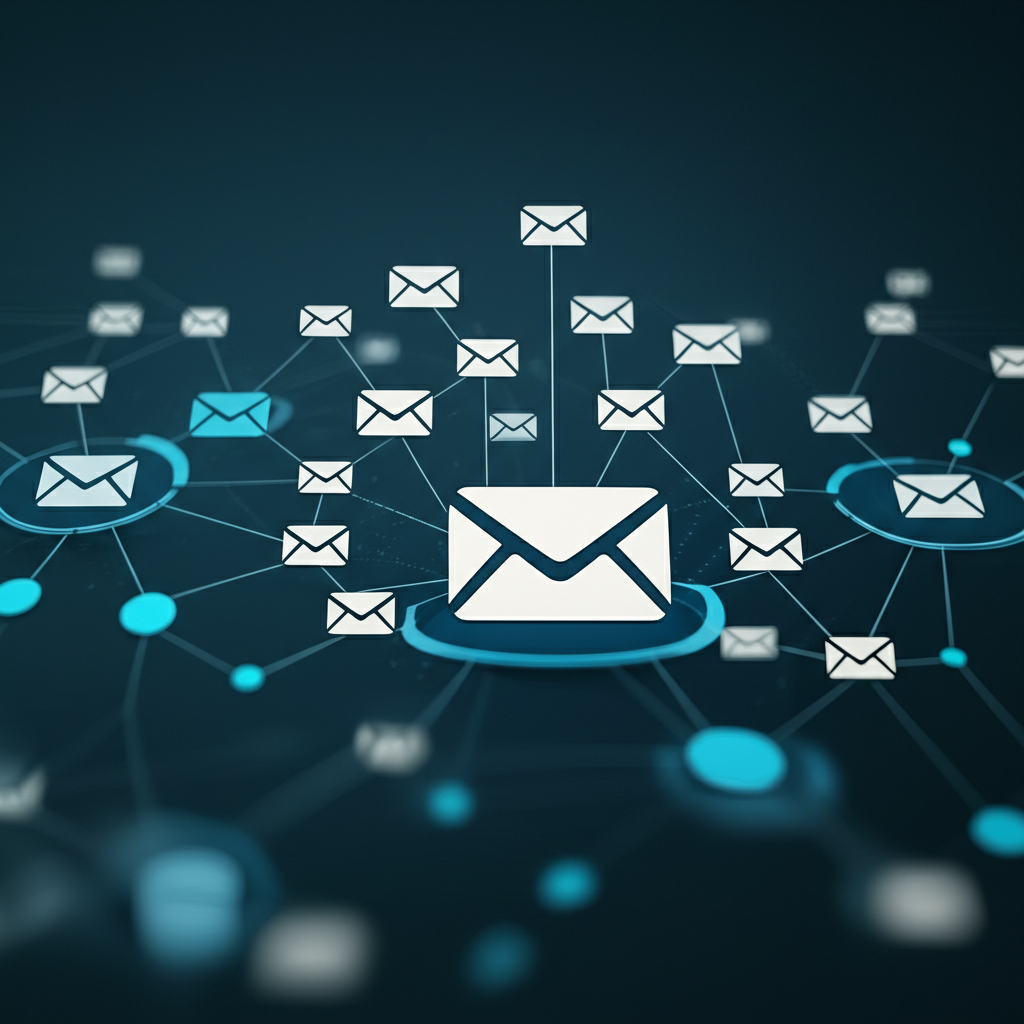
So, what’s the big deal about Account-Based Email Marketing, or ABEM, in the SaaS space? Unlike traditional email marketing where you might send the same message to a large list, ABEM is all about precision. It’s a highly personalized approach that treats each of your target accounts as an individual market.
Instead of casting a wide net, you’re identifying specific companies – your ideal customers – and tailoring your email campaigns to resonate directly with their unique needs, challenges, and business goals. It’s about moving from a “one-to-many” approach to a “one-to-few” or even “one-to-one” strategy for your most valuable prospects.
Why is ABEM a Game-Changer for SaaS?
SaaS companies often deal with complex products and longer sales cycles, especially when selling to other businesses (B2B). This is where ABEM truly shines. It allows you to cut through the noise and speak directly to the decision-makers within target accounts.
This personalized touch builds stronger relationships, demonstrates a deep understanding of their business, and positions your SaaS solution as the perfect fit. It’s about quality over quantity, ensuring your message hits home with the people who are most likely to become loyal, high-value customers.
The Core Principles of ABEM
At its heart, ABEM is built on a few key ideas that make it so effective. Understanding these principles will help you build a solid strategy.
1. Hyper-Personalization
This is the absolute cornerstone of ABEM. Every email you send should feel like it was written specifically for that recipient and their company. This goes beyond just using their name.
It means referencing their industry, their company’s recent news, their specific pain points, or even challenges common to their role within their organization. The more tailored, the more impactful.
2. Account Focus
Instead of segmenting by broad demographics, ABEM focuses on entire accounts. You identify your Ideal Customer Profile (ICP) and then pinpoint specific companies that fit this profile.
Once an account is identified, you might even map out the key stakeholders within that organization and tailor messages to each of them, considering their individual roles and responsibilities.
3. Sales and Marketing Alignment
ABEM thrives when sales and marketing teams work hand-in-hand. Marketing identifies and engages target accounts, while sales leverages that engagement for personalized outreach.
This ensures a consistent message and experience for the prospect, whether they’re interacting with a marketing campaign or a sales representative. It’s a unified front aimed at winning that account.
4. Data-Driven Insights
Success in ABEM relies heavily on data. You need to understand your target accounts inside and out. This includes firmographic data (company size, industry), technographic data (tech stack they use), and behavioral data (website visits, content downloads).
This data helps you craft highly relevant messages and identify the perfect moment to engage. Tools that track account engagement are crucial here.
How to Implement Account-Based Email Marketing in SaaS: A Step-by-Step Guide
Ready to get started? Implementing ABEM might seem daunting, but by breaking it down into manageable steps, you’ll be well on your way to mastering it.
Step 1: Define Your Ideal Customer Profile (ICP)
Before you can target accounts, you need to know who you’re targeting. Your ICP is a description of the type of company that would get the most value from your SaaS product and is therefore most likely to become a customer.
Consider factors like:
Company size (number of employees, revenue)
Industry and vertical
Geographic location
Technological needs or existing tech stack
Business challenges your SaaS solves
Step 2: Identify Target Accounts
Once you have your ICP, start researching and identifying specific companies that fit this profile. This is where you build your target account list.
You can use tools like LinkedIn Sales Navigator, industry databases, or even a good old-fashioned Google search to find potential accounts. Prioritize accounts that show high potential for revenue or strategic importance.
Step 3: Research Your Target Accounts Deeply
This is where the magic happens. For each target account, dive deep into research. Understand their business, their current challenges, their goals, and who the key decision-makers are.
Look at their website, recent press releases, social media activity, and any available financial reports. Identifying their pain points is key to crafting resonant messages.
Step 4: Map Key Stakeholders within Each Account
For each target account, identify the individuals who are likely to be involved in the purchasing decision. This could include IT managers, department heads, VPs, or even C-suite executives.
Understand their roles, responsibilities, and what motivates them individually. This allows for even more granular personalization.
Step 5: Craft Personalized Email Content
Now it’s time to write. Your emails should be highly relevant to the specific account and the individual recipient.
Subject Lines: Make them intriguing and personalized. Instead of “New Feature Alert,” try “How [Company Name] can leverage [New Feature] for [Specific Benefit].”
Body Content: Reference your research. Mention their industry, a recent company achievement, or a specific challenge they might be facing. Show you’ve done your homework.
Call to Action (CTA): Make it clear and relevant. It could be a request for a brief call, an invitation to a tailored demo, or a link to a case study relevant to their industry.
Step 6: Choose Your ABEM Tools and Technology
To execute ABEM effectively, you’ll need the right tools. This often involves a combination of CRM, sales engagement platforms, and marketing automation tools.
Consider tools that can help with:
Account research and intelligence
Email personalization and automation
Sales sequence management
Tracking account engagement
Step 7: Orchestrate Your Outreach
ABEM isn’t just about sending one email. It’s about a coordinated sequence of touches across multiple channels, with email being a primary one.
This might involve a series of personalized emails, LinkedIn messages, and even targeted ads. The key is to deliver a consistent, personalized experience that guides the prospect through their buyer’s journey.
Step 8: Measure, Analyze, and Iterate
Track the performance of your ABEM campaigns. Key metrics include:
Open rates and click-through rates for your personalized emails
Engagement levels from target accounts (website visits, content downloads)
Conversion rates (meetings booked, opportunities created, deals closed)
Pipeline velocity
Use this data to refine your targeting, messaging, and outreach strategies. What’s working? What’s not? Continuously optimize.
Key ABEM Strategies for SaaS Success
Beyond the core steps, here are some specific strategies that can supercharge your ABEM efforts in the SaaS world.
1. Trigger-Based Emails
These emails are sent automatically in response to a specific action or event related to a target account. For example, if a prospect from a target account visits your pricing page multiple times, an automated email could be triggered to offer a personalized consultation.
2. Multi-Channel ABM Integration
While we’re focusing on email, true ABEM often integrates with other channels. This could include targeted LinkedIn ads shown only to employees of your target accounts, personalized website experiences when they visit, or even direct mail campaigns.
3. Content Personalization
Beyond the email itself, link to or offer content that is specifically relevant to the account. This could be a case study from their industry, a whitepaper addressing their specific challenges, or a demo tailored to their use case.
4. Sales Enablement
Equip your sales team with the insights and content they need to have personalized conversations. This ensures that when a prospect responds to an email, the sales team is ready with the right information and a relevant approach.
Tools to Power Your ABEM Strategy
Choosing the right tools can make a huge difference in the efficiency and effectiveness of your ABEM campaigns. Here’s a look at some categories and popular options.
| Tool Category | Purpose | Popular Examples | Key ABEM Features |
| :———————— | :———————————————————————– | :———————————————— | :———————————————————————————————————— |
| CRM | Central database for customer and prospect information. | Salesforce, HubSpot CRM, Zoho CRM | Account and contact management, sales pipeline tracking, integration with other tools. |
| Sales Engagement Platform | Streamlines outreach across multiple channels, automating sequences. | Outreach, Salesloft, HubSpot Sales Hub | Multi-channel sequencing, email personalization, task automation, engagement tracking. |
| Account Intelligence | Provides deep insights into target accounts. | ZoomInfo, Apollo.io, Clearbit | Firmographic data, technographics, contact finding, intent data, company news. |
| Marketing Automation | Automates marketing tasks and personalizes customer journeys. | HubSpot Marketing Hub, Marketo, Pardot | Advanced segmentation, email automation, lead scoring, personalized landing pages, journey building. |
| Personalization Tools | Dynamically alters website content or email based on visitor data. | Mutiny, Optimizely, MadKudu | Website personalization, dynamic content insertion in emails, account-based website experiences. |
It’s important to note that many platforms offer overlapping features. For instance, HubSpot is a strong contender as it offers integrated CRM, Sales Hub, and Marketing Hub, making it a powerful all-in-one solution for many SaaS businesses.
Measuring ABEM Success in SaaS
How do you know if your ABEM efforts are paying off? It’s not just about vanity metrics like open rates, though they play a part. You need to look at metrics that directly tie to revenue and business growth.
Here are some key performance indicators (KPIs) to track:
Account Engagement Score: A composite score that reflects how actively target accounts are interacting with your outreach across different channels.
Pipeline Velocity: How quickly opportunities move through your sales pipeline for target accounts.
Conversion Rates by Account: Track how many target accounts move from MQL (Marketing Qualified Lead) to SQL (Sales Qualified Lead) and ultimately to Closed Won.
Average Deal Size for ABM Accounts: Compare the average deal size for accounts targeted with ABEM versus those targeted with broader strategies.
Customer Lifetime Value (CLTV) of ABM Acquired Customers: Are the customers acquired through ABEM more valuable over time?
Win Rate for ABM Campaigns: The percentage of target accounts that ultimately become customers.
These metrics help you understand the ROI of your ABEM strategy and identify areas for improvement. For a more detailed look at how to track these, resources like the Google Analytics Academy can offer valuable insights into data interpretation and campaign analysis.
Common ABEM Challenges and How to Overcome Them
Even with a great strategy, you might run into a few hurdles. Here’s how to navigate them.
Challenge 1: Getting Account Data
Problem: It can be tough to gather comprehensive data on target accounts.
Solution: Invest in account intelligence tools. Leverage your CRM and sales team’s existing knowledge. Don’t be afraid to ask prospects for information directly in a way that benefits them.
Challenge 2: Personalization at Scale
Problem: Manually personalizing emails for dozens or hundreds of accounts can be time-consuming.
Solution: Use marketing automation and sales engagement platforms to create dynamic email templates. Focus deep personalization on your top-tier accounts, and use more scalable personalization for a slightly broader list.
Challenge 3: Sales and Marketing Misalignment
Problem: If sales and marketing aren’t on the same page, your ABEM efforts can falter.
Solution: Foster open communication. Hold regular joint meetings. Ensure both teams agree on ICPs, target accounts, and the definitions of engagement and conversion.
Challenge 4: Measuring True Impact
Problem: Attributing revenue directly to ABEM can be complex.
Solution: Implement robust tracking. Use UTM parameters consistently. Work with your sales team to ensure they’re properly logging ABM interactions in the CRM. Focus on pipeline metrics as well as direct revenue.
Frequently Asked Questions about ABEM in SaaS
Let’s tackle some common questions you might have as you start with Account-Based Email Marketing.
How do I start with ABEM on a budget?
You can start by focusing on a very small, highly curated list of your absolute dream accounts. Leverage free versions of tools like HubSpot CRM or explore affordable sales intelligence tools. Your research skills and personalized outreach will be your biggest assets initially.
How do I write engaging subject lines for ABEM?
Make them specific and benefit-driven. Instead of a generic subject, try referencing their company, a challenge they face, or a unique insight you have. For example, “A thought on [Company Name]’s Q3 Growth Strategy” or “Solving [Specific Pain Point] for [Industry] leaders like you.”
How often should I email a target account?
This depends on the account’s engagement and your sales cycle. It’s not about volume, but about strategic touchpoints. A typical sequence might involve 3-7 emails spread over a few weeks, with breaks in between. Always ensure each email provides value.
How do I measure success without overcomplicating analytics?
Focus on 1-2 core metrics that matter most to your business. For ABEM, this is often about pipeline generation and conversion rates from target accounts. Keep your tracking simple but consistent.
How can I improve open rates and avoid spam filters in ABEM?
Personalization is key! Ensure your emails are highly relevant and don’t look like mass mailings. Use a reputable email service provider, maintain a clean email list, and avoid spammy language. Authenticate your domain (SPF, DKIM, DMARC) for better deliverability.
Conclusion: Your ABEM Journey Starts Now!
See? Account-Based Email Marketing in SaaS isn’t some complex black box. It’s a smart, focused way to connect with the businesses that matter most to your growth. By understanding your ideal customer, researching deeply, and crafting personalized messages, you can build stronger relationships and drive more meaningful conversions.
Remember, mastering ABEM is a journey, not a destination. Start with a small list, experiment with your messaging, and always, always learn from your results. The power to turn prospects into partners is in your hands, one targeted email at a time. Go out there and make it happen!