

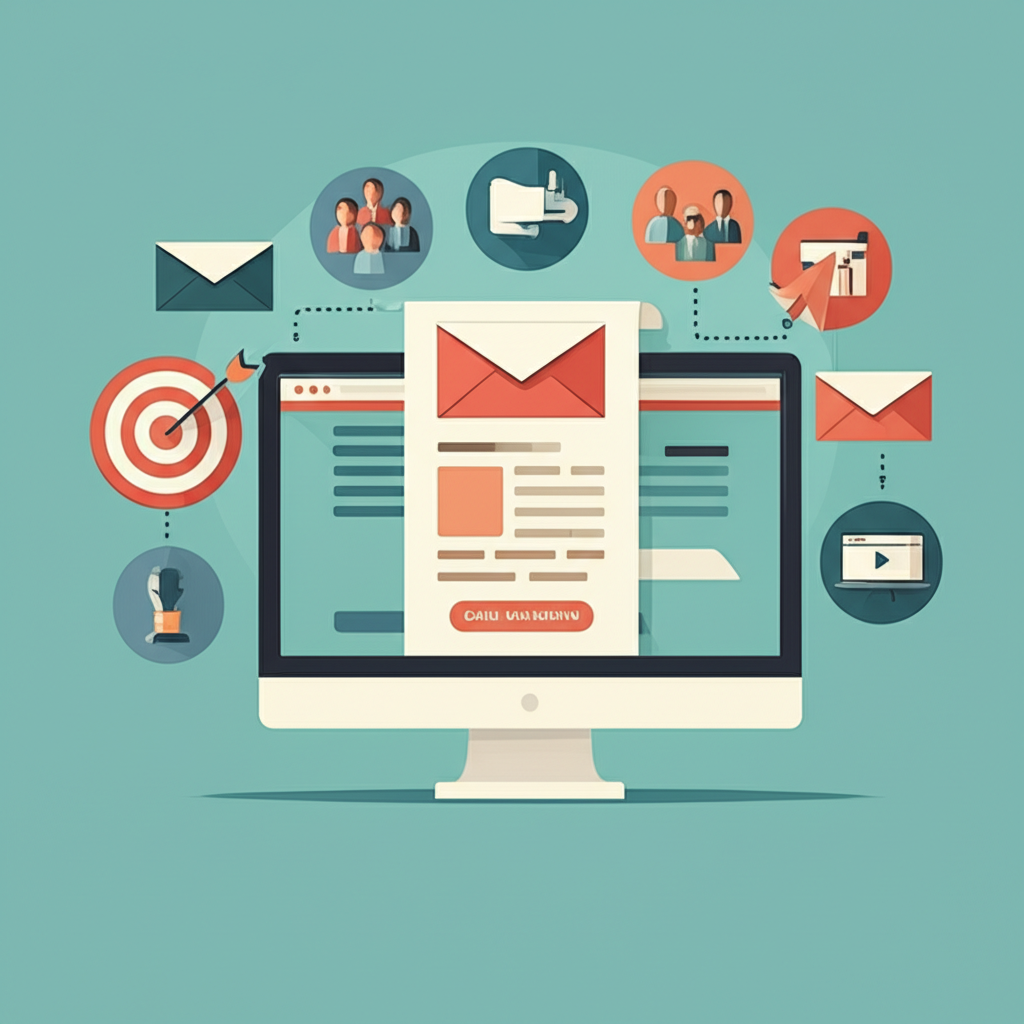
Email marketing is sending emails to your audience to build relationships, share news, and sell products. It’s a direct, friendly way to talk to people who like what you do, helping your business grow.
Hey there! Jack here, your guide from LTDWave. Feeling a little lost about email marketing? You’re not alone! It can sound like a big, scary thing with all those technical terms. But honestly, it’s just like having a friendly chat with people who are interested in you online. We’re here to make it super simple and fun.
Think of it this way: you have something awesome to share, and email marketing is your way to tell people who actually want to hear it. It’s about building real connections, not just sending random messages. We’ll break it all down, step by step, so you can start sending emails that people love to open. Ready to dive in and learn how to make your emails shine?
What Is Email Marketing? Let’s Keep It Simple!
So, what exactly is email marketing? Imagine you have a little shop, or a cool website, or even just a passion project you love. Email marketing is simply using email to talk to people who have shown interest in what you offer. It’s like sending a postcard to a friend to say “Hi!” or share some exciting news.
Instead of shouting into the void online, you’re talking directly to people who have, in some way, given you their email address. This means they want to hear from you! It’s one of the most powerful ways to connect with your audience, build trust, and gently guide them towards what you’re offering, whether that’s a product, a service, or just more of your awesome content.
It’s not about spamming people. It’s about being helpful, informative, and building a community. And the best part? It’s super effective and can be incredibly affordable, especially when you’re just starting out. We’re going to walk through everything you need to know, nice and easy.
Why Should You Care About Email Marketing?
You might be thinking, “Why email? Isn’t there something newer and shinier?” Well, here’s the secret: email marketing is like a classic car. It’s reliable, it still looks great, and it gets the job done better than almost anything else. It’s been around for ages because it works.
Let’s look at why it’s such a big deal:
- Direct Connection: Unlike social media, where algorithms decide who sees your posts, your email list is yours. When you send an email, you know it’s going straight to someone’s inbox.
- High Return on Investment (ROI): For every dollar you spend on email marketing, you can get a really good return. It’s one of the most cost-effective marketing tools out there.
- Builds Relationships: Regular, valuable emails help you build trust and loyalty with your audience. They start to see you as a helpful friend, not just a business.
- Drives Sales: When people trust you, they’re more likely to buy from you. Email is a fantastic way to announce new products, share special offers, and guide people to make a purchase.
- Personalization: You can send emails that feel like they’re written just for each person, making them feel special and understood.
It’s your direct line to the people who care most about what you do. Pretty cool, right?
How Does Email Marketing Actually Work?
The process is simpler than it sounds. It’s like setting up a friendly conversation with your audience.
Here’s the basic flow:
- You Collect Email Addresses: People give you their email because they want something from you – maybe a free guide, a discount, or updates.
- You Send Emails: You write and send emails to these people. These could be newsletters, promotions, or helpful tips.
- People Interact: They open your emails, click on links, or even reply.
- You Build Relationships and Grow: Over time, these interactions build trust, leading to more engagement and sales.
Think of it like this: you’re building a guest list for your online party. The more people who sign up, the bigger and better your party can be!
Getting Started: Your First Steps into Email Marketing
Ready to jump in? Don’t worry, we’ll take it one small step at a time. You don’t need to be a tech wizard or a copywriting guru. Let’s get you set up.
Step 1: Choose Your Email Marketing Tool
This is like picking your phone to make calls. An email marketing service (EMS) helps you manage your list, create emails, and send them out easily. They handle all the tricky bits so you can focus on writing.
There are many great options, and some are perfect for beginners. Here’s a little peek at a few popular ones:
| Tool Name | Great For | Beginner Friendliness | Pricing |
|---|---|---|---|
| Mailchimp | All-around, easy to use, good for small businesses | Very High | Free plan available, paid plans start around $13/month |
| MailerLite | Simple interface, great free plan, good automation features | Very High | Free plan available, paid plans start around $10/month |
| ConvertKit | Creators, bloggers, those focused on building an audience | High | Free plan available, paid plans start around $29/month |
| Sendinblue (now Brevo) | All-in-one platform (email, SMS, chat), good value | Medium | Free plan available, paid plans start around $25/month |
For most beginners, MailerLite or Mailchimp are fantastic starting points. They have free plans that let you send emails to a good number of people without costing a dime. You can always upgrade later as you grow!
Step 2: Build Your Email List
This is the most important part! Your list is made up of people who have given you permission to email them. You can’t just add everyone you know; that’s not how it works. You need their opt-in.
How do you get people to join?
- Offer a Freebie (Lead Magnet): This is a super effective way. Give away something valuable for free in exchange for an email address. Think of a checklist, a short ebook, a template, or a discount code.
- Add a Signup Form to Your Website: Make it easy for people to subscribe. Put a simple form on your homepage, blog posts, or in your footer.
- Promote on Social Media: Share a link to your signup page on your social channels.
- In-Person Events: If you meet people at events, you can ask if they’d like to join your list.
Remember, the key is to offer value. People join lists because they expect to get something good in return.
Step 3: Create Your First Email Campaign
Now for the fun part – writing! What should you send?
A great starting point is a simple welcome email. When someone signs up, send them a quick email that:
- Welcomes them warmly.
- Thanks them for signing up.
- Reminds them what they signed up for.
- Sets expectations for what kind of emails they’ll receive and how often.
- Maybe offers that freebie they were promised!
Here’s a super simple example:
Subject: Welcome to the [Your Brand] Family! 🎉
Hi [Name],
Welcome aboard! We’re so happy to have you join our community at [Your Brand]. Thanks for signing up!
You can expect to hear from us about [topic of your emails, e.g., helpful tips, new product launches, special offers]. We promise to keep it interesting and valuable.
As promised, here’s your [freebie name]! [Link to freebie]
We’re excited to have you with us!
Best,
The [Your Brand] Team
Most email marketing tools have templates that make designing these emails easy, even if you’re not a designer. You can also send out newsletters with updates, blog post summaries, or special promotions.
Step 4: Send and Analyze
Once you’ve written and designed your email, hit send! But don’t just send and forget. Your email marketing tool will give you reports. Look at things like:
- Open Rate: How many people opened your email.
- Click-Through Rate (CTR): How many people clicked on a link in your email.
- Unsubscribe Rate: How many people decided to leave your list.
These numbers tell you what’s working and what’s not. If people aren’t opening your emails, maybe your subject line needs a tweak. If they’re not clicking, perhaps your call to action could be clearer. It’s all about learning and improving!
What Kind of Emails Should You Send?
Variety is the spice of life, and it’s also great for your email marketing! You don’t want to send the same thing every time. Here are some ideas to keep your audience engaged:
- Welcome Emails: As we talked about, these are crucial for new subscribers.
- Newsletters: Regular updates about your business, industry news, or curated content.
- Promotional Emails: Announcing sales, discounts, or new product launches.
- Informational Emails: Sharing helpful tips, tutorials, or guides related to your niche.
- Behind-the-Scenes Emails: Showcasing your team, your process, or what makes your brand unique.
- Customer Feedback Emails: Asking for reviews or opinions.
- Abandoned Cart Emails: For e-commerce stores, reminding people about items left in their cart.
The goal is to provide value in every email, even when you’re trying to sell something. Think about what your audience would find most helpful or interesting.
Making Your Emails Shine: Tips for Success
Want your emails to be opened and loved? Here are some friendly tips:
- Know Your Audience: Who are you talking to? What do they care about? Tailor your content to them.
- Craft Compelling Subject Lines: This is the first thing people see! Make it clear, intriguing, and relevant.
- Personalize: Use the subscriber’s name. Segment your list to send more targeted messages.
- Keep it Concise: People are busy. Get to the point quickly. Use short sentences and paragraphs.
- Have a Clear Call to Action (CTA): What do you want them to do after reading? Make it obvious with a button or a clear link.
- Design Matters: Use your brand colors and logo. Make sure it looks good on mobile.
- Be Consistent: Send emails regularly, but don’t overwhelm your subscribers.
- Test, Test, Test: Try different subject lines, content, and send times to see what works best.
It’s all about being helpful, relevant, and easy to read.
Understanding Email Metrics: What Do They Mean?
Don’t let these numbers scare you! They are just little clues to help you send better emails. Your email marketing service will show you these:
Key Metrics Explained
| Metric | What It Is | Why It’s Important | Good Examples (General) |
|---|---|---|---|
| Open Rate | Percentage of recipients who opened your email. | Shows if your subject line and sender name are enticing. | 20% – 30% or higher is often considered good. |
| Click-Through Rate (CTR) | Percentage of recipients who clicked on at least one link in your email. | Indicates if your email content and call to action are engaging. | 2% – 5% or higher is often considered good. |
| Unsubscribe Rate | Percentage of recipients who unsubscribed from your list. | High rates can signal content mismatch or too frequent emails. | Ideally below 0.5%. |
| Bounce Rate | Percentage of emails that couldn’t be delivered. | High rates suggest issues with your list hygiene (e.g., invalid emails). | Keep below 2%. |
Don’t get too hung up on hitting perfect numbers right away. Focus on steady improvement and understanding what resonates with your audience. You can learn more about email marketing analytics on resources like the HubSpot Blog.
Common Beginner Questions (FAQ)
Got more questions? That’s awesome! Here are some common ones beginners ask, answered simply.
How can I start email marketing with no money?
You can totally start for free! Many email marketing services like MailerLite or Mailchimp offer generous free plans. You can use these to build your list and send emails to hundreds or even thousands of subscribers without paying a cent. Just focus on providing value, and you can upgrade when your business grows.
How do I write subject lines people click?
Make them clear, intriguing, and relevant to the email’s content. Use curiosity, urgency (sparingly!), personalization (like using their name), or a direct benefit. For example, “Your Free Guide to X is Here!” or “Quick Question for You, [Name]”. Avoid spammy words like “free money” or excessive exclamation marks.
How often should I email my list?
There’s no single right answer, but consistency is key. For many, sending once a week or every two weeks works well. The most important thing is to send valuable content regularly. Don’t email just to email. Ask yourself, “Is this email going to help or delight my subscribers?” If the answer is yes, send it!
How do I know if my email is working?
Look at your open rates and click-through rates! If people are opening your emails (good open rate) and clicking on the links inside (good click-through rate), your emails are likely working. Also, pay attention to replies and sales generated from your emails. It’s a sign that your audience is engaged.
How do I stop my emails from going to spam?
First, always get permission before emailing someone! Never buy email lists. Keep your list clean by removing inactive subscribers or those who consistently don’t engage. Use clear and honest subject lines, avoid spam trigger words, and make sure your emails are mobile-friendly. Most email services help with technical aspects to improve deliverability.
What’s the difference between a broadcast and an automation?
A broadcast is a one-time email you send to your list, like a newsletter or a special announcement. An automation is an email or series of emails that are sent automatically based on a subscriber’s action, like a welcome email when they first join, or a birthday message. Automations are great for consistent communication without manual effort.
Do I need a fancy website to do email marketing?
Nope! While a website is helpful, you can start email marketing without one. Many email marketing services allow you to create simple landing pages where people can sign up for your email list. You can then send them valuable content and promote your offerings directly through email.
You’ve Got This! Your Email Marketing Journey Begins
See? Email marketing isn’t some scary monster. It’s your friendly way to connect with people who are already interested in what you do. You’ve learned what it is, why it’s important, and how to take those first simple steps.
Remember, it’s all about building relationships, offering value, and being a helpful voice in your subscribers’ inboxes. Start small, be consistent, and don’t be afraid to experiment. Every email you send is a chance to learn and grow closer to your audience.
You have the power to build a thriving community and grow your passion. Take that first step today. Choose a tool, create a simple signup, and send your first welcome email. You’ll be amazed at what you can achieve!