

Best Time for Email Marketing: Send Emails When Your Readers Are Ready to Click!
Ever wonder when you should hit “send” on your emails to get the most eyes on them? It’s a common question, and the truth is, there’s no single magic minute that works for everyone. But don’t worry, it’s not as tricky as it sounds! We’ll break down how to find the sweet spot for your emails so more people open them and see your awesome messages. Get ready to learn how to send emails that get amazing results!
Hello there! I’m Jack, your guide from LTDWave, where we make email marketing feel less like homework and more like a fun chat. Are you sending emails but not getting the clicks you hoped for? Maybe you’re scratching your head, wondering, “When should I actually send these things?” It can feel a bit confusing when you’re starting out. But guess what? Finding the best time to send your emails is totally doable. We’re going to walk through it together, step by step. By the end of this, you’ll have a clear idea of how to pick the perfect time for your emails and watch your results get a whole lot better!
Why Timing Matters in Email Marketing
Think about your own inbox. When do you usually check it? Probably when you have a moment to relax or when you’re looking for something specific, right? The same goes for your audience. Sending an email when your subscribers are busy or asleep means it’s likely to get lost. But send it when they’re ready to engage, and you’ve got a much better chance of them opening it, reading it, and taking action. It’s all about being in the right place at the right time!
The “Best Time” Myth (And The Real Truth!)
Many people look for a single “best time” to send emails. They might see articles saying “Tuesday at 10 AM is always best!” While those times can be good starting points, they aren’t a magic bullet. Why? Because every audience is different! Your customers might be night owls, early birds, or weekend warriors. The real “best time” is when your specific audience is most likely to check their email and interact with your message. It’s about understanding them, not just following a general rule.
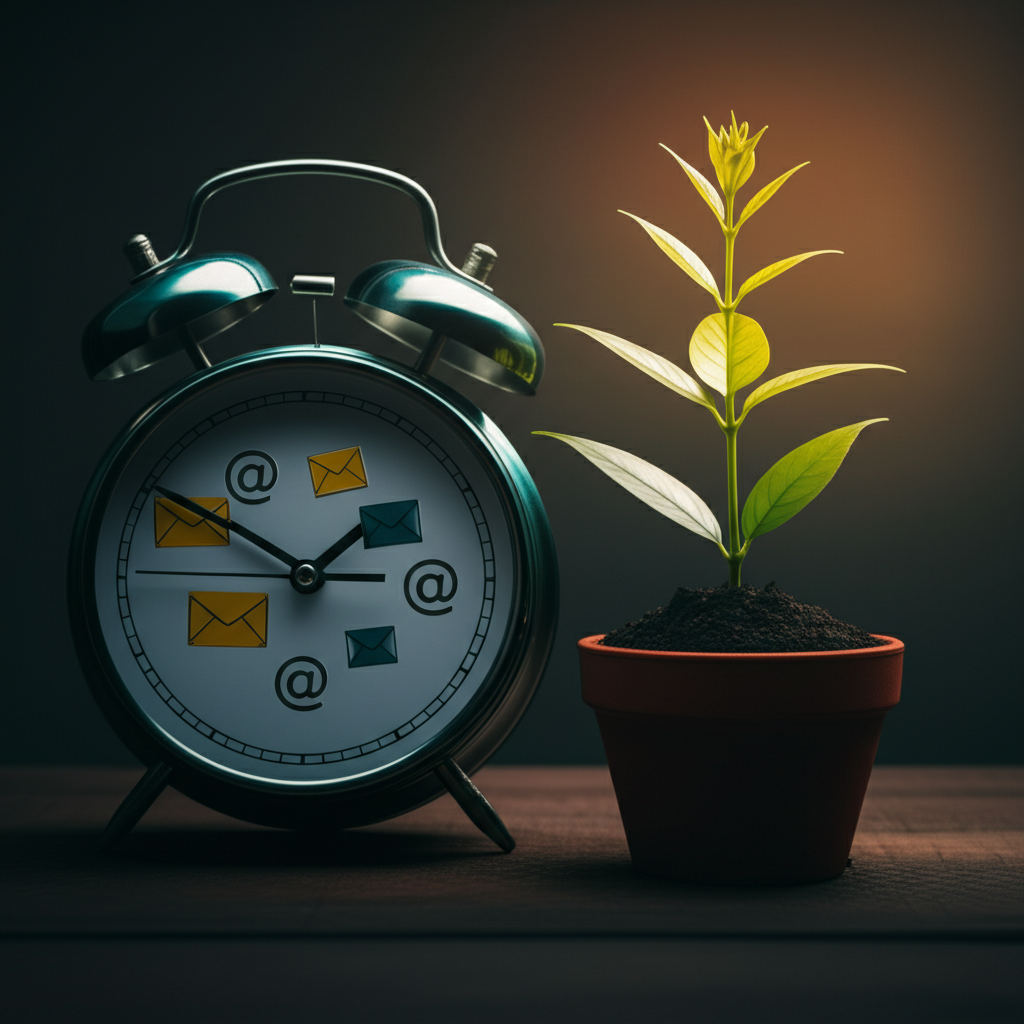
Finding Your Audience’s Sweet Spot
So, how do you find out when your people are online and ready to listen? It’s like being a detective! You need to gather clues about their habits. Here are a few smart ways to figure it out:
1. Look at Your Own Data
This is your goldmine! If you’ve already been sending emails, your email marketing service probably has reports. These reports show you when people opened your emails and clicked on links.
Check your email service provider’s analytics. Most platforms like Mailchimp, ConvertKit, or Sendinblue have a “Reports” or “Analytics” section.
Look for peak times. See which days and times show the highest open rates and click-through rates.
Don’t ignore smaller lists. Even if you only have a few subscribers, you can start seeing patterns.
2. Consider Your Audience’s Lifestyle
Who are you talking to? This is super important!
Professionals: They might check emails during their workday, maybe early morning, during lunch breaks, or right after work.
Students: Their schedules can be more varied. They might be more active later in the day or on weekends.
Stay-at-home parents: They might have pockets of time when kids are napping or at school.
Global audience: If you have subscribers in different time zones, this adds another layer! You might need to send emails at times that are convenient for the majority, or even send different emails at different times to specific groups.
3. Think About the Type of Email
What are you sending?
Newsletters: People might read these during downtime, like evenings or weekends.
Promotions or Flash Sales: You might want to send these when people are more likely to shop, like during business hours or just before a weekend.
Urgent Announcements: These need to go out ASAP, no matter the time.
General Best Practices (A Good Place to Start!)
While your own data is king, there are some general times that tend to work well for many businesses. These are good “guess” times if you’re just starting out or don’t have much data yet.
Weekday Mornings
Many people check their email first thing in the morning to see what happened overnight. Sending around 8 AM to 10 AM on weekdays can be a solid bet. They’re often looking for news, updates, or planning their day.
Mid-Week Engagement
Tuesday, Wednesday, and Thursday are often cited as the best days. Monday can be busy with catching up, and Friday people might be winding down.
Mid-morning (again, 9 AM – 11 AM) on these days is frequently a peak time for opens.
Lunchtime Check-ins
Some people like to catch up on emails during their lunch break, typically between 12 PM and 2 PM.
After Work Wind-Down
For some audiences, the evening is a good time. This could be 5 PM to 7 PM when people are done with their main work tasks.
Times to Be Cautious With
Just as there are good times, there are also times when your email might get lost in the shuffle.
Late Nights
Unless your audience is specifically night owls or you’re in a different time zone, sending emails very late at night (like after 9 PM) might mean they get buried by morning.
Early Mornings (Too Early!)
While 8 AM can be good, sending at 5 AM or 6 AM might be too early for most people to be checking their inbox actively.
Weekends (Sometimes!)
Weekends can be tricky. Some people love to catch up on emails then, but many are busy with family, hobbies, or relaxing. If you send on weekends, consider Saturday morning as a potentially better slot than Sunday.
Let’s Look at Some Examples: A Quick Comparison
To make this clearer, let’s imagine two different businesses and when they might send emails.
| Business Type | Target Audience | Potential Best Sending Times | Why? |
|---|---|---|---|
| SaaS Company (B2B) | Busy professionals, office workers | Tuesday, 10 AM EST | During work hours, after initial Monday rush. |
| Online Craft Store | Hobbyists, people looking for gifts | Wednesday, 7 PM Local Time | After work, when people are relaxing and browsing. |
| Fitness App | Health-conscious individuals | Monday, 8 AM Local Time | To kickstart the week with motivation. |
| Food Blog | Home cooks, recipe seekers | Thursday, 11 AM Local Time | Planning weekend meals. |
See how the audience and what they’re looking for changes the best time? It’s all about fitting into their day!
Testing is Key: Your Secret Weapon!
The absolute best way to find your perfect sending time is to test. Don’t just guess and stick with it forever. Email marketing is dynamic, and your audience’s habits can change.
Here’s how to run your own simple tests:
A/B Testing Your Send Times
Most email marketing platforms allow you to do this. You send the same email to two different segments of your list at different times and see which one performs better.
Step 1: Choose a segment of your list.
Step 2: Create two identical emails.
Step 3: Schedule one to go out on Tuesday at 9 AM and the other on Wednesday at 10 AM.
Step 4: Compare the open rates and click-through rates.
Step 5: Use the winning time for your next campaign, and then test again with different times!
Track Your Results Consistently
Make sure you’re looking at your analytics regularly. What worked last month might not be the absolute best time today. Keep an eye on:
Open Rate: The percentage of people who opened your email.
Click-Through Rate (CTR): The percentage of people who clicked a link in your email.
Conversion Rate: The percentage of people who completed a desired action (like making a purchase) after clicking.
A good target for open rates is often around 20-25%, and for click-through rates, 2-5% is generally considered good. But these can vary a lot by industry! For example, if you get a 10% open rate, that’s fantastic!
Here’s a quick look at some example goals:
| Metric | Good Example Goal | Excellent Goal |
|---|---|---|
| Open Rate | 20% | 30%+ |
| Click-Through Rate (CTR) | 3% | 7%+ |
| Conversion Rate | 1% | 3%+ |
These are just examples, and what’s “good” can depend on many things, including how engaged your list is and the quality of your content!
Tools That Can Help You
You don’t need fancy tools to figure this out. Your email marketing service is the main one! But here are a few more things that can give you insights.
Your Email Marketing Service (e.g., Mailchimp, ConvertKit, HubSpot): This is your primary tool. It tracks opens, clicks, and usually offers send time optimization features or A/B testing.
Google Analytics: If your emails drive traffic to your website, Google Analytics can help you see what happens after someone clicks. You can see if they make a purchase, sign up for something, or bounce. This helps you understand the value of your email traffic. Learn more about Google Analytics here: Google Analytics Academy.
Audience Surveys: Sometimes, the easiest way to ask is to ask! Send a quick survey to your list and ask them when they prefer to receive emails.
Common Questions About Email Timing
Let’s tackle some questions you might be thinking about.
How can I start email marketing with no money?
Great question! You can absolutely start email marketing for free. Many email service providers offer free plans for beginners with a limited number of subscribers or emails per month. Services like Mailchimp, MailerLite, and Sendinblue have generous free tiers. You can also focus on creating valuable content and building your list organically.
How do I write subject lines people click?
Subject lines are super important! Make them clear, concise, and intriguing. Use words that create curiosity or highlight a benefit. For example, “Your Weekly Digest is Here!” or “🔥 5 Ways to Boost Your Sales Today”. Keep it short and sweet, and consider using emojis if they fit your brand. Personalization, like “John, Your Special Offer Inside!”, can also boost opens.
How often should I email my list?
There’s no single answer, but consistency is key! For many, sending once a week is a good starting point. If you’re sending daily, make sure every email is packed with value. If you send less often, like monthly, ensure your audience remembers you. The most important thing is to find a rhythm that works for you and your subscribers without overwhelming them.
How do I know if my email is working?
You know your email is working by looking at your analytics! Are people opening it (high open rate)? Are they clicking the links you want them to click (good click-through rate)? Are they taking the action you hoped for, like buying something or signing up (conversion rate)? If these numbers are improving over time, your emails are working!
How do I stop my emails from going to spam?
This is crucial! First, always get permission to email people. Never buy email lists. Keep your emails relevant to what your subscribers signed up for. Use a clear “unsubscribe” link in every email. Avoid spammy words (like “FREE MONEY NOW!”) and excessive exclamation points. Ensure your email platform is set up correctly. You can also check out HubSpot’s guide on avoiding spam filters for more tips.
Wrapping It Up: Your Email Timing Game Plan
So, what’s the best time for email marketing? It’s the time that works for your* audience! Don’t get hung up on finding a universal answer. Instead, focus on these simple steps:
1. Start with general best practices: Weekday mornings are a great guess.
2. Look at your own analytics: See when your subscribers are already engaging.
3. Understand your audience: Think about their daily routines.
4. Test, test, test! A/B test different send times.
5. Be consistent: Find a rhythm that works.
Email marketing is like building friendships online. When you send messages at a time when people are open to hearing from you, they’re more likely to listen, connect, and respond. You’ve got this! Start implementing these tips, keep an eye on your results, and watch your email marketing efforts flourish. Happy sending!