Mastering email marketing can drastically boost your business’s reach and engagement. If you’re just starting out, understanding the essentials is key to creating effective campaigns that connect with your audience. The basics include building a quality email list, crafting compelling content, and analyzing your results to improve over time. With the right approach, email marketing becomes a powerful tool for nurturing leads and increasing sales.
Email marketing for beginners is all about creating targeted, personalized messages that resonate with your audience. Focus on building a clean email list, designing attractive emails, and tracking performance metrics. By mastering these fundamentals, you’ll lay a solid foundation for a successful email marketing strategy that drives growth and loyalty.
Starting with email marketing might seem overwhelming, but breaking it down into simple steps makes it manageable and rewarding. From creating engaging content to understanding your metrics, these basics are your roadmap to building a strong connection with your customers. Let’s explore how to get started on the right foot.

Email marketing basics for beginners
Understanding what email marketing is
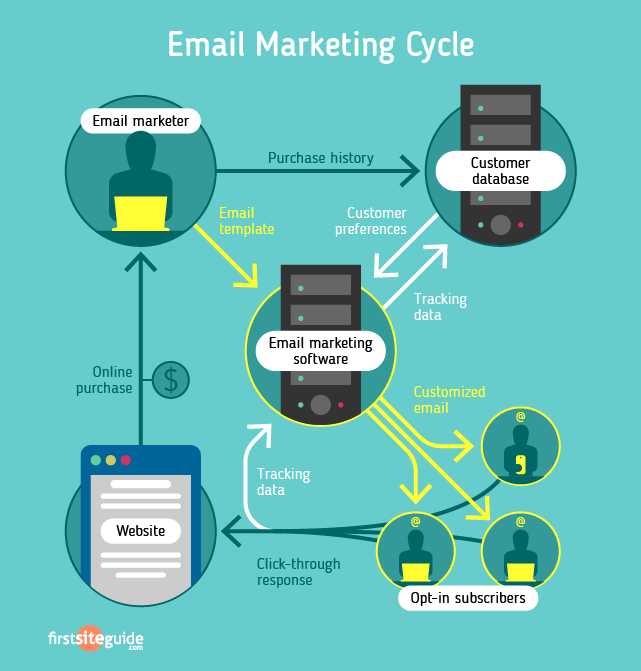
Email marketing is a way to connect with potential and existing customers through emails. It is one of the most cost-effective methods for promoting products, services, or content. This technique helps build relationships, increase sales, and drive website traffic.
Why email marketing is important
Email marketing allows you to reach your audience directly in their inbox. It offers a high return on investment because it costs less than many advertising options. Plus, it gives you the chance to personalize messages based on customer interests and behaviors.
Building an email list
A strong email list is the foundation of successful email marketing. Start by collecting email addresses from visitors on your website, social media, or in-store. Use sign-up forms, pop-ups, and incentives like discounts or free downloads to encourage sign-ups.
Best practices for growing your list
- Offer value, such as exclusive content or discounts.
- Make the sign-up process simple and quick.
- Place sign-up forms prominently on your website.
- Use social media channels to invite followers to subscribe.
- Respect privacy laws and avoid spammy tactics.
Choosing the right email marketing platform
An email platform helps you design, send, and manage your email campaigns easily. Some popular options include Mailchimp, Constant Contact, and Sendinblue. Look for features like automation, analytics, templates, and easy integration with your website.
Factors to consider when choosing a platform
- Ease of use for beginners
- Price and available plans
- Customer support options
- Automation capabilities
- Analytics and reporting tools
Creating effective email campaigns
Designing emails that engage your audience is key to success. Focus on a clear message, mobile-friendly design, and compelling calls-to-action. Keep your content simple, relevant, and personalized whenever possible.
Writing engaging subject lines
The subject line is the first thing recipients see. Make it eye-catching and relevant. Use words that create curiosity or offer value, and avoid spammy language to increase open rates.
Designing attractive email templates
Use your brand colors, logo, and a clean layout. Incorporate images, short paragraphs, and clear headings to make emails easy to scan. Ensure your call-to-action buttons stand out.
Segmentation and personalization
Segmentation allows you to divide your email list into smaller groups based on interests, behaviors, or demographics. Personalization makes emails more relevant to recipients, increasing engagement and conversion rates.
Examples of segmentation criteria
- Purchase history
- Location
- Engagement level
- Birthday or special dates
- Interest areas
How to personalize emails effectively
Use the recipient’s name in the email greeting. Tailor content based on their preferences or previous actions. Dynamic content blocks can display personalized offers or recommendations automatically.
Automation and autoresponders
Automation saves time by sending targeted messages based on user actions or specific schedules. Common automation includes welcome series, abandoned cart reminders, and birthday emails.
Setting up automation workflows
Identify your key customer journey stages. Create emails for each stage and set triggers such as sign-up, purchase, or inactivity. Use your platform’s automation tools to schedule and trigger messages automatically.
Monitoring and analyzing email performance
Track metrics like open rates, click-through rates, conversion rates, and unsubscribe rates to evaluate your campaigns. Use these insights to refine your strategy and improve future emails.
Key metrics explained
| Metric | What it indicates |
|---|---|
| Open Rate | Percentage of recipients who opened your email |
| Click-Through Rate | Percentage of recipients who clicked a link in your email |
| Conversion Rate | Percentage of recipients who completed a desired action |
| Unsubscribe Rate | Percentage of recipients who opted out of your list |
Legal considerations and compliance
Always follow laws like GDPR and CAN-SPAM. These laws require you to obtain consent before sending emails and to include an unsubscribe link. Respect privacy and handle data responsibly to build trust with your audience.
Best practices for compliance
- Get clear permission before adding someone to your list
- Include a visible unsubscribe option in every email
- Avoid misleading subject lines or content
- Keep records of consent and email preferences
Common mistakes to avoid
Avoid sending too many emails, which can annoy recipients. Don’t neglect personalization or segmentation, as these are crucial for engagement. Also, avoid poor design and unclear calls-to-action that confuse readers.
Tips for ongoing success
Continuously test your subject lines, content, and sending times to see what works best. Regularly clean your list by removing inactive subscribers. Keep your content fresh and aligned with your audience’s interests.
- Content marketing strategies
- Social media integration
- Customer relationship management (CRM)
- Analyzing marketing ROI
This overview provides the essentials you need to start your email marketing journey confidently. Focus on building a quality list, creating engaging content, and monitoring your results to improve over time.
Email Marketing For Beginners | 5 Tips & Examples For Success
Frequently Asked Questions
What are the key components to include in an effective email campaign?
An effective email campaign should have a compelling subject line that grabs attention, personalized content that resonates with the recipient, clear and concise messaging, a strong call-to-action (CTA), and an easy-to-navigate design. Additionally, including your brand’s logo and contact information helps build trust and credibility with your audience.
How can beginners build and grow their email list ethically?
Start by offering valuable incentives such as free resources, discounts, or exclusive content to encourage sign-ups. Use signup forms on your website and social media platforms, and ensure you obtain explicit consent from subscribers. Respect privacy laws like GDPR by providing clear information about how their data will be used and allowing easy options to unsubscribe at any time.
What are some common mistakes to avoid in email marketing for newcomers?
Avoid sending too many emails, which can lead to subscriber fatigue and increased opt-outs. Do not neglect personalization, as generic messages tend to perform poorly. Also, ensure your emails are mobile-friendly, as many users access their emails on smartphones. Lastly, refrain from using spammy subject lines or deceptive content that can harm your sender reputation.
How can new marketers measure the success of their email campaigns?
Track key metrics such as open rates, click-through rates, bounce rates, and conversions to gauge engagement and effectiveness. Use email marketing platforms that provide detailed analytics, and analyze this data regularly to identify what works well and what needs improvement. Adjust your strategies based on these insights to optimize future campaigns.
What are best practices for designing eye-catching email templates?
Create clean and organized layouts that highlight important information. Use a balance of images and text, ensuring that emails load quickly and look appealing across devices. Incorporate your brand colors and consistent fonts to reinforce brand identity. Keep the content scannable with headings and bullet points, making it easy for readers to find what they need at a glance.
Final Thoughts
Email marketing basics for beginners provide a clear foundation for building effective campaigns. Focusing on creating engaging content and growing your email list helps establish strong connections with your audience. Use segmentation and personalization to increase open rates and engagement. Monitoring your results allows continuous improvement. By understanding these essentials, you set the stage for successful email marketing endeavors.